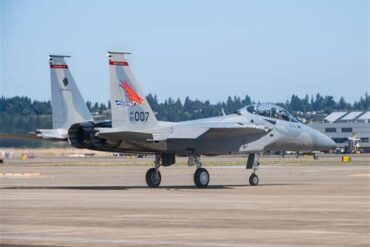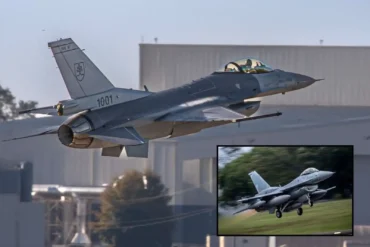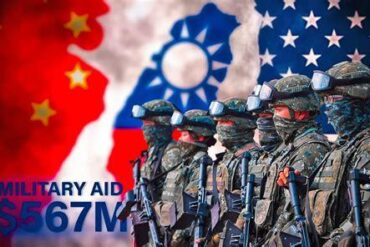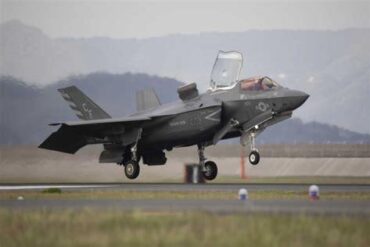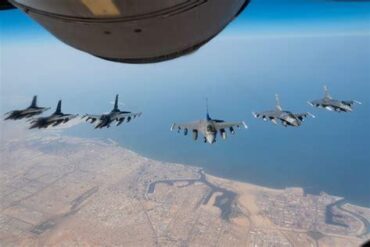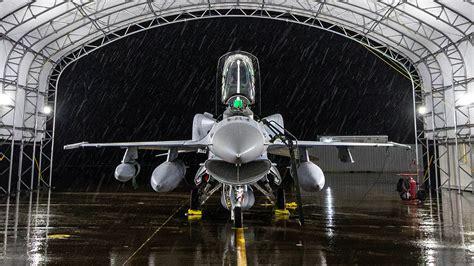
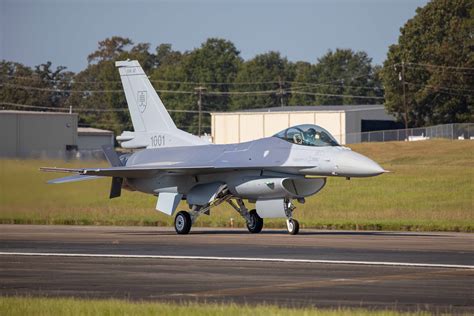
The United States is preparing to deliver the first batch of 10 advanced F-16C/D Block 70/72 fighter jets to Taiwan, a significant step in strengthening the island’s defensive air capabilities amid escalating pressure from China. The delivery is part of a $8.35 billion arms package initiated under Taiwan’s New Combat Aircraft Procurement Program, comprising 66 total units.
These state-of-the-art F-16 Block 70/72 aircraft are being flown directly from the United States to Taiwan, in a complex operation involving multiple aerial refueling maneuvers. According to a high-ranking defense source speaking anonymously, the jets will travel via Hawaii and Guam, and are expected to complete 18 to 20 mid-air refuelings before reaching Taiwanese airspace.
US Pilots to Lead, Taiwanese Copilots Onboard
In a strategic move to accelerate operational readiness, the single-seat F-16C models will be flown by US Air Force pilots, while the two-seat F-16D variants will carry Taiwanese copilots. This method, which was also employed during Taiwan’s first F-16 delivery in 1997, serves the dual purpose of aircraft transfer and pilot familiarization training. The presence of Taiwanese copilots is expected to shorten the time needed for the Republic of China Air Force (ROCAF) to achieve full mission capability once the jets arrive.
The legal control of the aircraft will remain with US personnel throughout the flight until the Taiwanese military formally accepts the jets, a standard practice in foreign military sales to ensure compliance with US defense export regulations.
Strengthening Taiwan’s Most Potent Air Wing
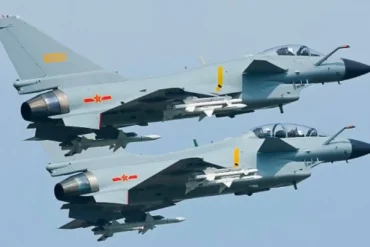
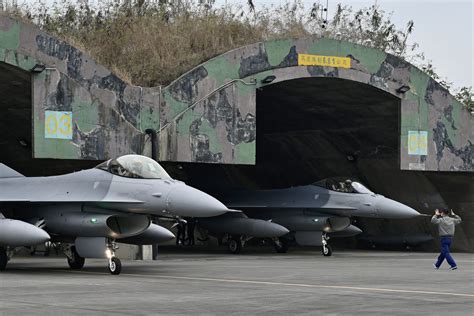
Once delivered, the new aircraft will be assigned to the 7th Tactical Fighter Wing, based in Taitung. This unit already operates modernized F-16V fighters, and the integration of the F-16C/D Block 70/72 variants will make it the most formidable combat wing in Taiwan’s air force. With an authorized strength of 205 tactical fighters, the wing is set to become the frontline air deterrent against Chinese aerial incursions, including those by advanced aircraft like the J-20 stealth fighter.
F-16 Block 70/72: Features and Capabilities
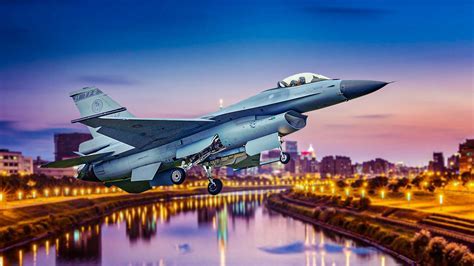
The F-16C/D Block 70/72, the latest evolution of the iconic multirole fighter introduced in 1974, features a suite of upgrades that significantly elevate its performance. These enhancements are tailored to counter threats from fifth-generation aircraft and increasingly sophisticated missile systems deployed by the People’s Liberation Army Air Force (PLAAF). Key upgrades include:
- AN/APG-83 AESA radar: Delivers superior target tracking, electronic warfare resistance, and beyond-visual-range engagement.
- General Electric F110-GE-129 engine: Provides greater thrust and performance over older F-16 variants.
- Improved avionics and electronic warfare systems: Enhances survivability and interoperability with other US and allied platforms.
- Extended service life: The airframe is rated for 12,000 hours, ensuring decades of reliable performance.
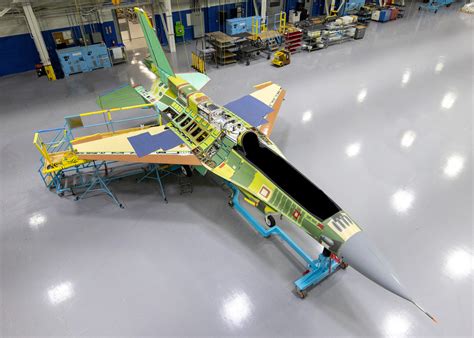
The F-16 Block 70/72 aircraft are built by Lockheed Martin at its Greenville, South Carolina facility, a plant that has seen a surge in activity following production requests from Taiwanese representatives.
Accelerated Production Amid Geopolitical Pressure
Air Force Chief of Staff Lee Ching-jan recently told lawmakers that Taiwan’s military had been actively engaged with Lockheed Martin to expedite the fighter jet production schedule. In response, the defense contractor has increased its workforce and expanded its output capability to meet delivery targets.
The goal is to deliver at least 10 jets before the end of 2025, with the full 66-aircraft order expected to be completed by late 2026. This timeline is considered critical by Taipei, given Beijing’s rising military assertiveness in the Taiwan Strait and the broader Indo-Pacific region.
Delivery Method Echoes Historical Precedent
This isn’t the first time the US has delivered combat jets to Taiwan via direct ferry flights. In 1997, a similar operation was conducted to deliver the first batch of F-16A/B fighters to the island. However, the latest mission differs in scale, complexity, and the geopolitical backdrop in which it takes place. The current environment is marked by unprecedented Chinese military activity, including frequent incursions into Taiwan’s Air Defense Identification Zone (ADIZ) and aggressive naval maneuvers.
While in-flight delivery avoids the political red tape of ship-based transport, it is also a high-stakes logistical challenge. Aircraft must fly across the vast Pacific Ocean, navigating long distances and multiple refueling points, all while remaining operational and mission-ready upon arrival.
Strategic and Symbolic Importance
The arrival of the F-16C/D Block 70/72 jets is both a strategic milestone and a symbolic reaffirmation of US support for Taiwan’s self-defense. Although Washington does not maintain formal diplomatic ties with Taipei, the Taiwan Relations Act and ongoing defense cooperation serve as cornerstones for the unofficial alliance. In practice, this means continuing arms sales, joint training opportunities, and political backing against coercion by the Chinese Communist Party (CCP).
The enhanced air power will not only bolster Taiwan’s deterrence posture, but also improve interoperability with US forces, particularly in the event of a regional contingency. Given the high interoperability of the F-16 platform with US and allied militaries, Taiwan’s acquisition serves a broader role in integrated Indo-Pacific defense architecture.
Taiwan’s Evolving Air Defense Strategy
Taiwan’s defense transformation has centered around modernizing its aging fleet of fighters and improving its multi-layered air defense capabilities. In addition to the new F-16s, Taipei is also investing in:
- Upgrading its existing F-16A/B fleet to the F-16V standard.
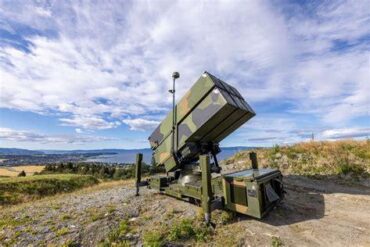
- Enhancing indigenous missile defense systems such as the Sky Bow III.
- Boosting asymmetric warfare capabilities, including mobile radar, anti-air batteries, and electronic warfare units.
Together, these investments are designed to withstand a potential first-strike scenario and maintain air superiority over the island’s airspace.
Conclusion: A Crucial Shift in the Balance of Power
As Beijing escalates its military posturing in the Taiwan Strait, the timely arrival of the F-16 Block 70/72 jets marks a significant enhancement in Taiwan’s defense preparedness. These aircraft represent more than just a technological upgrade — they are a deterrent message, a reaffirmation of strategic partnerships, and a linchpin in the broader Indo-Pacific security landscape.
The delivery of the first 10 jets in 2025 will likely be watched closely in Beijing, Washington, and across East Asia, as all stakeholders assess how this pivotal arms transfer may shift the regional balance of air power in the years ahead.