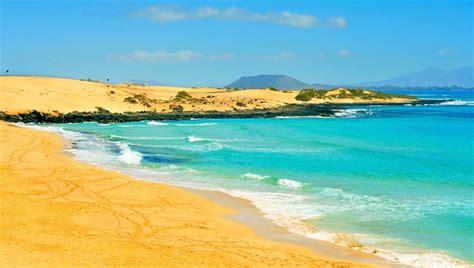
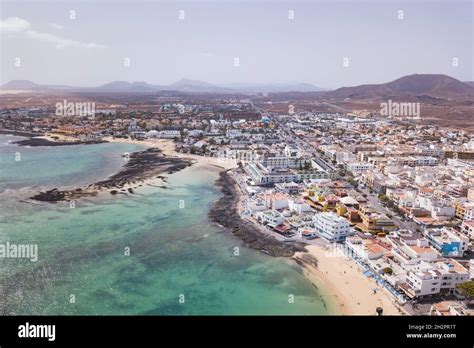
Fuerteventura, one of the stunning Canary Islands, is experiencing a global tourism surge like never before. As travelers seek breathtaking destinations, the island’s renowned Corralejo Beach has recently been crowned the best beach in the world by National Geographic. This accolade not only highlights the natural beauty of Corralejo but also showcases the potential of Fuerteventura as a prime destination in the global travel landscape. Situated in the northern part of the island, Corralejo Beach stretches over 10 kilometers, offering pristine golden sands alongside crystal-clear turquoise waters, attracting both eco-tourists and sun-seekers alike.
The recognition from National Geographic has ignited an unprecedented interest from both European and overseas travelers. In response to this influx, the Cabildo de Fuerteventura (Island Council) and the Government of the Canary Islands are proactively preparing for an anticipated increase in visitors. With more than 2.1 million tourists reported in 2024, projections indicate a 15-20% rise in visitor numbers for 2025, largely driven by the allure of Corralejo Beach. This surge could lead to millions of euros in additional economic activity across accommodations, dining, tours, and local markets.
The Unique Charm of Corralejo
What makes Corralejo stand out is its unsophisticated beauty intertwined with environmental consciousness. The Parque Natural de las Dunas de Corralejo, a protected area, not only safeguards unique flora and fauna but also provides a natural habitat for various wildlife species. Visitors can enjoy a range of activities such as snorkeling, bird watching, and eco-friendly tours, all while being mindful of their ecological footprint. The balance between tourism infrastructure—including cafés, bike rentals, and boardwalks—and strict environmental protections creates a harmonious experience for visitors and locals alike.
The Ripple Effect: A Boost for Fuerteventura’s Other Attractions
Corralejo’s newfound fame is positively impacting other regions of Fuerteventura. Costa Calma, located to the south, boasts calm sandy beaches ideal for families and windsurfers. This area has witnessed a notable uptick in bookings as tourists expand their itineraries beyond Corralejo. To the west lies Betancuria, the ancient capital, rich in history and offering eco-tourism routes, while Caleta de Fuste to the east features family resorts and vibrant dive sites. Together, these attractions create a unified tourism product that showcases Fuerteventura’s diverse landscapes and cultural wealth.
Local pride has surged among residents, many of whom have dedicated years to maintaining the beach’s natural allure. “I’m happy,” expressed Ana Rodríguez, a long-time local vendor. “To see the world at long last see its beauty means everything.” Community initiatives are also gaining momentum, with local groups promoting sustainable tourism practices and educating visitors about the importance of protecting the dunes and marine biodiversity.
Balancing Conservation and Tourism Growth
As Fuerteventura embraces its growing popularity, the challenge lies in balancing tourism growth with conservation efforts. Sustainable tourism has become a cornerstone of the Canary Islands Tourism Strategy 2030, which aims to merge economic prosperity with environmental preservation. Key initiatives include:
- Increasing eco-certified accommodations in the Corralejo area.
- Enhancing waste collection and recycling systems in natural spaces.
- Implementing visitor capacity limits to prevent overcrowding.
- Promoting green transport options, such as electric shuttles to popular beaches.
These measures are designed to ensure that Corralejo can welcome more visitors without compromising its delicate ecosystem, a priority that aligns with National Geographic’s focus on environmental conservation alongside exploration.
International Recognition and Strategic Planning
The recent accolades received by Corralejo have further solidified the Canary Islands’ status as a premier European destination, competing with renowned tropical locations in Asia and the Caribbean. The regional government has taken steps to leverage this recognition for international promotion, aiming to attract eco-conscious travelers and digital nomads seeking unique experiences. Plans are underway to introduce new flight routes, catering to larger international markets from Northern and Central Europe, North America, and East Asia.
Challenges on the Horizon
While the recognition is a cause for celebration, it also presents potential challenges. The risks associated with increased tourism include overcrowding, environmental degradation, and community displacement. To mitigate these issues, the Island Council is conducting a comprehensive impact assessment, incorporating feedback from city planners, ecologists, and residents. Strategies will involve enhancing public transportation, implementing a tourist tax, and establishing monitoring stations to manage beach capacity effectively.
A Moment of Opportunity for Fuerteventura
Corralejo’s rise to international acclaim represents more than just an achievement; it embodies a commitment to preserving natural beauty while welcoming visitors. Travelers are increasingly seeking meaningful escapes, and Fuerteventura offers a unique invitation to reconnect with nature. Clean air, expansive skies, and the chance to immerse oneself in untouched landscapes make Corralejo a compelling choice for discerning tourists.
In conclusion, the spotlight on Corralejo not only elevates its status within the global tourism framework but also inspires a renewed appreciation for the island’s natural heritage. As citizens and local authorities come together to embrace this transformation, Fuerteventura stands poised to thrive as a sustainable tourism destination for generations to come.