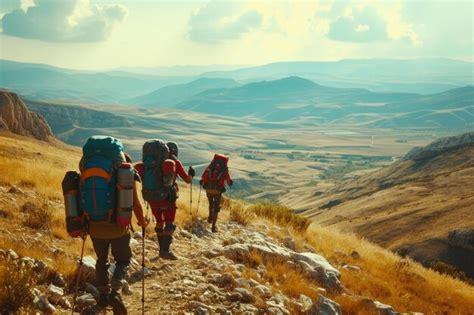
In a landmark cross-border initiative, Cyprus and Greece have embarked on a visionary project to regenerate, preserve, and sustainably develop their iconic mountain regions—the Pindos Mountains in Greece and the Troodos Range in Cyprus. This collaboration, titled “Pindos-Troodos: Bridges of Cooperation,” introduces a new European blueprint for mountain sustainability, combining ecological protection with cultural preservation and socio-economic revitalization.
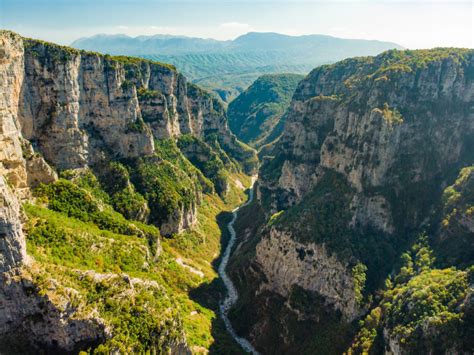
A Cross-Border Alliance With Global Vision
What sets this initiative apart is not just its geographic span, but its bold, integrative vision. By uniting the highland regions of two nations under a single strategic framework, the project aims to tackle complex, transnational issues such as climate change, depopulation, and biodiversity loss. The model exemplifies European cooperation, positioning Cyprus and Greece as pioneers of regional development rooted in ecological integrity and cultural heritage.
At the core of this effort is the establishment of a Knowledge and Innovation Hub in the Pindos region. This hub will function as an intellectual engine driving mountain research, policy development, and practical interventions tailored to the realities of highland life. It will bring together scientists, policymakers, NGOs, and local residents in a collaborative space, enabling groundbreaking research and on-the-ground applications to flourish side by side.
Regenerative Development: Beyond Sustainability
The project goes well beyond the conventional notions of conservation. Its guiding philosophy—regenerative development—seeks not just to maintain but to revive ecosystems, invigorate local economies, and reinforce cultural identities. Regenerative principles advocate healing landscapes and communities simultaneously, recognizing that environmental and human well-being are inseparable.
In both the Pindos and Troodos ranges, centuries-old forests, rare alpine species, and fragile habitats coexist with rich oral traditions, handicrafts, and vernacular architecture. These mountain systems are ecological strongholds and cultural repositories, yet they face relentless pressures: rural exodus, tourism strain, and climate volatility. The new model addresses these multifaceted challenges through holistic, integrated action.
Empowering Communities at the Grassroots
What makes “Pindos-Troodos: Bridges of Cooperation” truly transformative is its deep commitment to community participation. The initiative is not being imposed top-down by bureaucrats—it is being shaped from within, with villagers, local leaders, and grassroots organizations actively engaged in the visioning and implementation process.
Participatory planning forums, educational workshops, and capacity-building sessions are being designed to tap into local wisdom and lived experience. Residents of mountain communities are uniquely positioned to inform sustainable strategies—whether it’s by reviving ancient irrigation systems, managing forests with traditional practices, or cultivating indigenous plant species.
This inclusive model fosters a sense of ownership and resilience, rekindling pride in regional identities and creating a platform for intergenerational knowledge transfer. It also enhances the project’s legitimacy and long-term viability, as plans are built with and for the people who live in these regions.
A Model for European and Mediterranean Replication
While rooted in the Eastern Mediterranean, the project’s implications ripple far beyond. Mountainous regions across Europe—from the Carpathians to the Pyrenees—face similar structural issues: isolation, aging populations, weak infrastructure, and ecosystem fragility. The Pindos-Troodos framework presents a scalable template for these regions, illustrating how shared governance, regional innovation, and community co-design can breathe life back into forgotten highlands.
Moreover, the initiative resonates with several pillars of the European Green Deal, including biodiversity protection, rural regeneration, and climate adaptation. It aligns closely with EU cohesion policy goals and could serve as a case study for smart specialization strategies focused on peripheral regions.
Environmental Stewardship and Economic Revival
One of the initiative’s defining features is its pursuit of eco-economic synergy—ensuring that nature protection efforts simultaneously generate income and livelihoods. Rather than viewing conservation and development as opposing forces, the Pindos-Troodos model sees them as interdependent.
Projects currently being mapped out include:
- Agroecological farming programs that protect soil health while supporting local produce
- Eco-tourism circuits that highlight geological and cultural landmarks while limiting environmental footprints
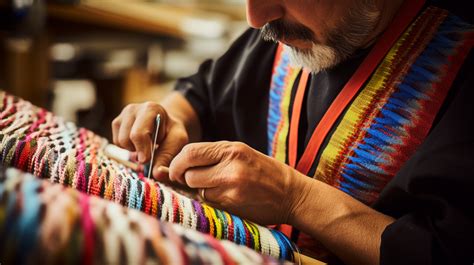
- Artisan incubators to preserve and market traditional crafts in global markets
- Biodiversity corridors that restore ecological connectivity between fragmented habitats
These interventions are not extractive—they are generative, aimed at cultivating ecosystems and economies together. This marks a dramatic departure from the boom-and-bust cycles of conventional tourism or industrial exploitation that have devastated many mountain areas in recent decades.
Bridging Generations and Cultures
The Pindos-Troodos initiative is not only about land and economy—it’s also about memory and identity. With the rapid erosion of mountain cultures due to urban migration and globalization, preserving intangible heritage—languages, rituals, festivals, and oral histories—is a vital goal.
Special attention is being paid to intergenerational programming, including:
- Storytelling workshops where elders share folktales and life lessons
- Traditional music and dance revivals in village squares
- Craft apprenticeships connecting youth with master artisans
- Digital heritage archives that document customs for future generations
By embedding cultural resilience into ecological and economic planning, the project underscores that sustainability is as much about people as it is about nature.
Challenges Ahead—and a Path Forward
While the vision is bold, the journey ahead is not without its obstacles. Political changes, funding inconsistencies, climate shocks, and entrenched bureaucracy all pose significant threats to the momentum of the initiative. Yet, the strength of the Pindos-Troodos model lies in its adaptability and collective intelligence.
By cultivating a cross-sector ecosystem of actors—including governments, universities, businesses, and civil society—the project can continuously iterate, learn, and evolve. The creation of data-driven monitoring tools and feedback loops will ensure accountability and adaptability over time.
Conclusion: A New Narrative for Europe’s Mountains
Cyprus and Greece have illuminated a powerful truth: mountain regions are not relics of the past but frontiers of innovation. By marrying regenerative ecology with cultural pride and smart development, the “Pindos-Troodos: Bridges of Cooperation” initiative crafts a new narrative of opportunity and renewal.
This is not merely a project—it is a prototype for a future where nature and humanity thrive together, where cross-border kinships flourish, and where forgotten landscapes become beacons of resilience, creativity, and hope.
As other European regions watch with keen interest, the mountains of Cyprus and Greece may well become the new summits of sustainable progress in a continent hungry for models that work—not just on paper, but on the ground.