Delta Air Lines has long held a dominant presence at Minneapolis–Saint Paul International Airport (MSP), operating as a central hub for both domestic and international routes. However, beginning this fall, the carrier is cutting service to four key destinations from MSP — a decision that reverberates not just through the travel industry but through the communities and travelers who rely on these links. While some of these losses are partially mitigated by alternatives, the announcement underscores a strategic realignment that requires attention.
Delta’s Strategic Reshuffling: A Closer Look at the Fallout
As part of a broader network adjustment, Delta is adding five new routes system-wide, but cutting seven, with MSP bearing the greatest loss. The only new addition to the Twin Cities network is a route to Westchester County Airport (HPN) in New York — a fourth option to the NYC area. While potentially useful to business travelers and suburban residents, this new route hardly offsets the loss of four distinct destinations: Great Falls (MT), Fairbanks (AK), Buffalo (NY), and Albuquerque (NM).
Each of these destinations serves a niche but important role in Delta’s network. Their removal creates a ripple effect, influencing business links, tourism patterns, and regional access. Let’s examine the impact city by city and identify the best alternative routes and airlines that can help passengers maintain connectivity.
Great Falls, Montana: Losing a Gateway to the American Frontier
As of September 7, Delta will cease flights to Great Falls International Airport (GTF), eliminating a crucial route to north-central Montana. Great Falls is a modestly sized destination, but it’s a significant one for travelers drawn to Montana’s rugged beauty, Yellowstone access, and unique cultural attractions like the Sip ‘n Dip Lounge, a retro tiki bar famous for its live mermaid shows.
While Delta is pulling out of GTF, the airline will continue flying to Kalispell (FCA) and Missoula (MSO) — two Montana cities situated just across the Continental Divide. These towns serve as entry points to Glacier National Park and western Montana adventures, albeit a few hours’ drive from Great Falls itself. Additionally, Sun Country Airlines offers seasonal summer service to these Montana destinations, providing a backup option for leisure travelers.

Although the loss of direct access is inconvenient, we still maintain seasonal entry points into Big Sky Country. Travelers will need to adjust by either connecting through Salt Lake City or flying into neighboring airports and driving.
Fairbanks, Alaska: Disconnected From the Arctic Interior
Also disappearing on September 7 is Delta’s service to Fairbanks International Airport (FAI). This route was especially valuable for travelers seeking direct access to Alaska’s interior region, including its northern lights tourism and proximity to Denali National Park.
Delta’s Fairbanks route offered a rare non-stop experience for lower 48 travelers, but its termination puts the burden on Anchorage (ANC), located about 360 miles to the south. Anchorage is still served robustly by Delta, Alaska Airlines, and Sun Country, with multiple daily flights during peak travel seasons. From there, travelers must connect to Fairbanks either via a regional flight or endure a long drive — beautiful, but time-consuming.

For most, this means higher costs and more complex itineraries. While Fairbanks was never a high-volume route, it served a dedicated clientele, particularly those interested in wilderness expeditions, scientific research, and seasonal phenomena like the midnight sun. Losing direct access from MSP significantly diminishes Delta’s coverage of rural Alaska.
Buffalo, New York: The Upstate Corridor Contracts
As of September 7, Delta will also end service to Buffalo Niagara International Airport (BUF), a notable reduction in the airline’s presence in upstate New York. Buffalo is not only a gateway to Niagara Falls, but it also serves regional business and academic communities that span Western New York.
While the loss is significant, there are still multiple routes that partially make up for it. Delta and Air Canada continue flights to Toronto Pearson International Airport (YYZ) — located roughly 100 miles northeast of Buffalo. With a valid passport, Toronto serves as a suitable international hub, and from there, travelers can rent a car or catch ground transport into Western New York.

In addition, Delta will maintain seasonal flights to Syracuse Hancock International Airport (SYR), a viable alternative for those heading to the Finger Lakes region or nearby universities. Sun Country Airlines supplements this with its own limited seasonal offerings, but consistent, year-round service will be harder to come by. For now, Buffalo-bound passengers must rely on connecting flights, which increase travel time and often reduce convenience.
Albuquerque, New Mexico: Desert Connections Diminish
Finally, the most impactful route elimination comes November 5, when Delta discontinues service to Albuquerque International Sunport (ABQ). This southwestern city isn’t just a vacation hotspot — it’s also a gateway to Santa Fe, Los Alamos National Laboratory, and the annual Albuquerque International Balloon Fiesta, which draws global attention.
While Sun Country Airlines offers limited seasonal service to Albuquerque, there is no year-round alternative from MSP. For travelers planning winter getaways, holiday travel, or business trips, the lack of direct access introduces more complexity. One of the closest comparable airports is Denver International Airport (DEN), but reaching Albuquerque from Denver requires a connection or an extended drive across difficult desert terrain.

This cancellation is particularly frustrating due to the cultural significance of New Mexico in winter, from Pueblo festivals to the luminaria-lit streets of Santa Fe on Christmas Eve. These unique seasonal draws once had reliable access via Delta’s direct flights. Now, passengers must plan for more layovers, fewer options, and tighter schedules.
What We’re Gaining: Westchester County Airport (HPN)
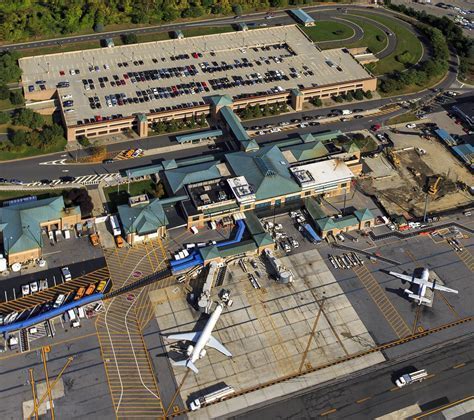
In exchange for these four dropped routes, Delta will begin service to Westchester County Airport (HPN) on September 8. Located about 33 miles north of Manhattan, HPN primarily serves New York suburbs in White Plains and Connecticut. It is favored for its smaller size, shorter lines, and convenient access for regional commuters and leisure travelers avoiding the congestion of JFK, LGA, and Newark.
While this is a practical move for local business travelers or residents in the Hudson Valley, it’s unlikely to provide any substantial boost for tourists or upstate-bound passengers, especially with Buffalo flights ending. Ultimately, it’s a niche gain that does little to balance the broader cutbacks.
Sun Country and Alaska Airlines: Filling the Void?
As Delta pulls back, it leaves a vacuum in several underserved regions. Sun Country Airlines, based at MSP, could capitalize on these gaps, particularly in seasonal markets like Great Falls and Albuquerque. However, Sun Country’s limited schedules and summer-only service make it an imperfect substitute.
Alaska Airlines remains a strong option for Alaska-bound passengers, particularly those continuing from Anchorage to Fairbanks or smaller communities. However, their presence at MSP is relatively modest, and passengers may still face multi-leg journeys with extended layovers.
We should also note that Southwest Airlines, though not hubbed at MSP, may offer flexible alternatives via connections, especially in Denver, Chicago Midway, or Las Vegas. Yet for business travelers or those on tight schedules, these options do not fully replicate the convenience Delta once offered.
Conclusion: Strategic or Short-Sighted?
Delta’s move to drop four destinations from MSP reflects a strategic realignment of its domestic network, likely driven by shifting demand, profitability models, and aircraft availability. However, the cumulative effect on Minnesota travelers is clear: fewer direct options, longer travel times, and more seasonal constraints.
Each dropped destination carries unique cultural and geographic importance — from the snowy expanse of Fairbanks to the desert charm of Albuquerque. While alternatives exist, they do not replicate the direct, consistent access that Delta once provided.
We are left to adjust with a patchwork of seasonal carriers, regional airports, and creative itineraries. It’s a moment that highlights the importance of airline competition and diversified route planning — especially for a hub as vital as MSP.
The new route to Westchester County is welcome, but hardly compensates for what’s lost. For frequent fliers and occasional vacationers alike, it may be time to re-evaluate loyalty programs, seek out alternative carriers, and keep a close eye on further network shifts that could reshape the way we travel from the Twin Cities.