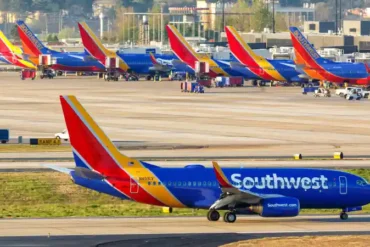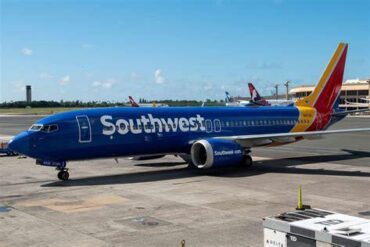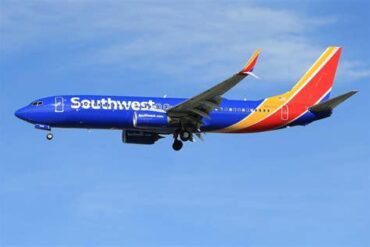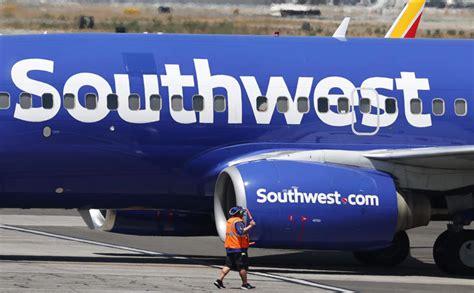
Southwest Airlines, long revered as a customer-first brand in U.S. aviation, has stepped into turbulent skies following its abrupt decision to terminate its iconic two-free-checked-bag policy. While most legacy carriers implemented baggage fees more than a decade ago, Southwest held firm on its unique offering—one that not only differentiated it from competitors but also built deep reservoirs of brand loyalty. However, that advantage is now unraveling, and the numbers forecast a storm that the airline may struggle to weather.
The policy shift, which officially took effect this month, comes amid mounting financial pressure and changing market dynamics. According to internal projections and analysis reported by Roger Dooley in Forbes, Southwest expected to generate $1.5 billion in annual revenue from the new baggage fees. But that apparent windfall came with a caveat: the airline’s own research predicted a loss of $1.8 billion in market share as a consequence of the change.
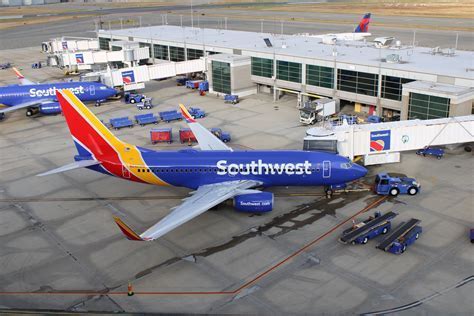
The numbers paint a stark picture. Even if Southwest successfully earns revenue from bag fees in the short term, it may be forfeiting far more valuable long-term customer relationships. This isn’t just about math—it’s about brand equity, a currency that Southwest once dominated in the low-cost travel space. In the age of commoditized air travel, where routes and pricing are increasingly similar across carriers, emotional loyalty often becomes the deciding factor.
The Collapse of a Strategic Advantage
For years, Southwest Airlines leveraged its no-bag-fee policy as a strategic differentiator. While other carriers nickel-and-dimed passengers, Southwest thrived by marketing itself as the airline that respected your wallet—and your dignity. The decision to check two bags for free became a key selling point, not just a customer perk. This commitment was part of a broader customer-centric ethos that turned travelers into brand advocates, helping the airline secure repeat business even when ticket prices were marginally higher.
Now, with the removal of this policy, Southwest enters a competitive arena where price becomes king, and loyalty is up for grabs. Suddenly, the playing field is level, but not in a good way. The airline’s previously unwavering stance on simplicity and value is now muddied, leaving customers to wonder: What else will Southwest compromise?
Short-Term Gain, Long-Term Risk
Southwest executives justified the shift by pointing to short-term revenue growth. In a period of high inflation and rising fuel costs, finding new income streams is not just a preference—it’s a necessity. Yet, as Dooley noted, this could be a textbook case of short-term financial tactics undermining long-term brand value. The anticipated $1.5 billion in baggage fees will come at a steep cost if the projected $1.8 billion market share loss materializes.
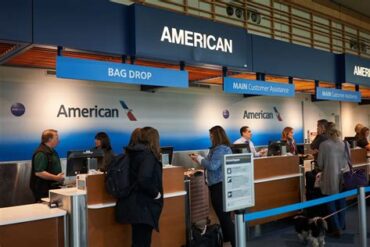
Even assuming optimistic customer retention, the move shifts Southwest into the same strategic bucket as Delta, United, and American Airlines—all of whom charge bag fees as standard. The distinction is that these airlines never built their identity around not doing so. For Southwest, brand inconsistency may erode trust, and in aviation, trust isn’t easily reclaimed.
Loyalty Under Threat: Customers Weigh Alternatives
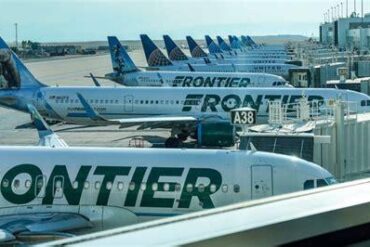
Perhaps the most damaging impact is the psychological shift among frequent flyers. Travelers who once flew Southwest out of principle now find themselves asking if loyalty still makes financial sense. Other low-cost competitors like JetBlue or even ultra-budget carriers like Spirit and Frontier no longer seem vastly different when it comes to ancillary charges.
Southwest’s strength lay not just in its prices, but in the clarity and transparency of its pricing model. With that gone, price-savvy customers may turn to whatever airline offers the cheapest base fare—even if it comes with the same bag fees they now face on Southwest. This opens the door to a more commoditized purchase decision, one where Southwest has little room to argue for premium loyalty.
Brand Erosion in the Era of Viral Discontent
In today’s digital-first era, airline missteps don’t just affect spreadsheets—they play out in real time across social media. Viral posts and TikToks comparing past and present Southwest experiences have already begun to circulate, highlighting how the policy reversal contradicts the airline’s long-standing values. Customer service reps are reportedly facing increased hostility at check-in counters, and dissatisfaction is becoming harder to contain.
This presents a two-fold threat: an erosion of customer goodwill and a potential reputational crisis that accelerates churn. Disappointed customers rarely leave silently. Their discontent spreads faster and with greater amplification than ever before, especially when a beloved brand betrays expectations.
The High-Risk Gamble on Retention
Executives at Southwest are banking on one key assumption: that most of their customers will stay. Perhaps the airline believes that years of goodwill will provide an insulation layer against backlash. But consumer behavior is notoriously fickle, especially when it involves financial outlays. With many travelers already conditioned to expect bag fees from other airlines, the tolerance for Southwest doing the same might be lower precisely because expectations were higher.
Analysts argue that the real danger isn’t the $35 per checked bag. It’s the cumulative psychological cost of feeling betrayed. Customers who once bragged about flying Southwest are now reconsidering that allegiance. The intangible value of brand trust—difficult to quantify but immensely powerful—is now under siege.
Competitor Opportunity and Market Dynamics
Rival airlines are watching this unfold with keen interest. While major legacy carriers may not change course, there is room for regional or niche carriers to position themselves as the new customer-friendly alternative. Even more concerning for Southwest is the potential that frequent business travelers, long a stable revenue segment, may begin shifting to carriers offering better loyalty perks, more robust networks, or newer aircraft.
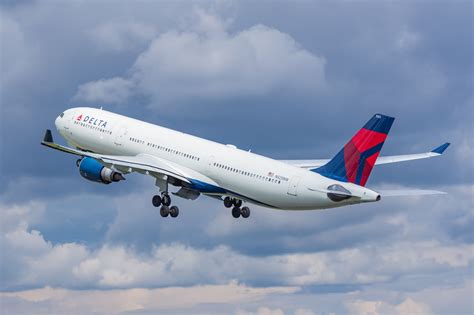
Ironically, some competitors may even reduce or rethink their own fees—not to match Southwest, but to highlight Southwest’s fall from grace. In such a scenario, Southwest’s decision becomes not just neutralized, but a net negative in public perception.
What Needs to Happen Now
If Southwest wishes to reverse or mitigate this fallout, it must act decisively. Potential paths forward include:
- Implementing a loyalty-based baggage policy, where longtime customers or those with elite status still receive free bags.
- Reinvesting heavily in customer service to cushion the change with exceptional experiences.
- Launching transparent communication campaigns that explain the economic rationale behind the shift, while emphasizing continued commitments to low fares and safety.
But these will take time—and the clock is ticking. The longer the airline waits to shore up trust, the more difficult it becomes to reclaim it.
Conclusion: A Cautionary Tale in the Making
The decision by Southwest Airlines to eliminate free checked bags marks a turning point—not just for the airline but for the broader conversation around airline loyalty and brand value. While the policy change may deliver a revenue bump in quarterly earnings, the airline’s own data suggests a net negative outcome in customer retention and market share.
Whether this becomes a textbook failure or a recoverable stumble will depend entirely on how Southwest manages the fallout in the coming months. One thing is clear: loyalty, once lost, is far more expensive to win back than it ever was to maintain.