For thousands of travelers, a flight is more than just a seat in the sky—it’s a promise of connection, convenience, and confidence. Yet this year, American Airlines’ DFW hub has become emblematic of systemic collapse, where weather disruptions collide with overstretched staff, and passengers find themselves trapped in an endless cycle of delays. In this in‑depth analysis, we explore the frontline perspectives, operational failures, and the brewing loyalty exodus that threaten to redefine the American travel landscape.
The Original Outcry: When a Routine Trip Becomes a Marathon
Imagine boarding what should be two quick, one‑hour hops and finding yourself still grounded twelve hours later. That was the reality for one veteran flyer with over 20 years of AA service and nearly one million miles logged. Despite accepting weather‑related setbacks, this traveler noticed that the real culprit was not Mother Nature but a fatigued workforce that seemed to have “given up.” Gate agents stand idle as flights slip; ramp crews move at a crawl; maintenance teams scramble under impossible turnaround requirements; customer‑service representatives deliver an endless string of new departure times without the optimism to actually call them accurate. Frustrated, the original poster plans to status‑match to United or Delta in January—an ultimatum to AA’s leadership to heed these warnings and “turn the ship around.”
A Veteran’s Lament: Post‑Pandemic Hostility and Hazards
In a separate recount from a 35‑year customer‑service veteran, the post‑pandemic era has ushered in unprecedented levels of passenger hostility. Low pay, shrinking benefits, and the emotional toll of daily confrontations have driven some to retire early. Stories of flying dirty diapers hurled at agents, spit and biting incidents, and threats of violence paint a grim picture of airport life. These accounts aren’t isolated. To empower both employees and travelers, the veteran provided resources to understand the mechanics behind delays and ground holds—official portals such as NAS Status, Ground Delay Program documentation, the DOT’s Air Consumer site, and the AA Contract of Carriage. Yet awareness alone cannot restore frayed nerves or replenish depleted staff morale.
Workforce Burnout & Safety Concerns: When Defending Yourself Risks Your Job
Decades on the job once built resilience; today they breed burnout. Agents recount facing verbal abuse hourly, with physical assaults offering little immediate legal recourse. One ground handler admitted that even if forced to defend against a violent passenger, the company would likely terminate him to avoid bad press, leaving the only dignified exit as retirement—“a hero and legend” in colleagues’ eyes. Without swift union support or on‑site security, frontline teams brace for the next confrontation, often discouraged from proactive conflict resolution for fear of crossing company lines.
Customer‑Employee Dynamics: The Vicious Cycle of Escalation
Passenger frustration often stems from circumstances beyond anyone’s control: a thunderstorm in Dallas or thunderstorms on the East Coast. But the human response to those delays can aggravate the situation. A routine baggage claim dispute, for instance, can follow one of two paths: response A—“I can’t help you; come back tomorrow”—or response B—“I’m sorry your bag didn’t arrive; let’s see what we can find.” The former, delivered with an eye roll, sparks fury and fuels social‑media rants; the latter, framed with empathy, can de‑escalate tension. Unfortunately, overworked agents default to defensive posture, mirroring the impassive attitudes they endure daily.
Operational & Management Failures: When Tight Schedules Snap
Big‑hub storms at DFW, MIA, CLT, JFK are inevitable, but it’s AA’s razor‑thin turn times and lack of schedule redundancy that transform routine weather events into cascading cancellations. Planes scheduled for five legs with mere 30‑minute ground turns leave no margin for mechanical snags or crew rest requirements. As one frequent traveler noted, apps repeatedly reset departure times backwards, masking the deeper issue: a crew out of duty hours and no backup reserve ready. Industry experts recommend longer layovers, strategic standby crews, and clear accountability for weather‑related delays—plus regulatory mandates to compensate displaced passengers for overnight stays. Yet until management prioritizes reliability over maximizing seat‑inventory, the system will remain on a collision course with chaos.
Comparisons & Alternatives: Route Redundancy and Service Reputation
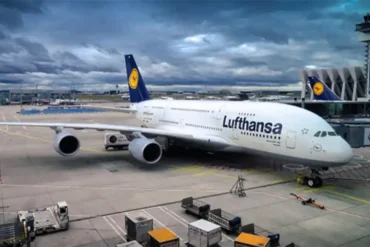
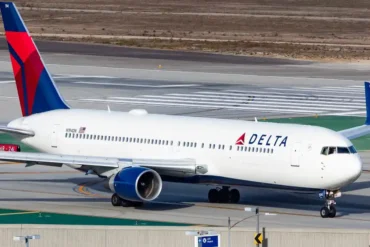
Where AA’s hub saturation leaves travelers stranded, Delta and United lean on route redundancy to reroute passengers through multiple gateways. Alaska and JetBlue, though smaller, earn praise for calmer operations and attentive service. Even so, frontline employees allege that all major carriers bow to shareholder pressures, slashing costs at the expense of people and processes. AA’s sprawling network amplifies every flaw: more flights equal more opportunities for misalignment. In contrast, airlines with nimble route maps can reassign flights on the fly and keep more travelers moving.
Union & Accountability Issues: Power Without Leverage
American boasts some of the industry’s most powerful unions, yet even union clout can’t override management’s aggressive scheduling. Mandatory overtime, 12‑hour shifts, and the absence of empowerment to resolve ground‑level problems leave employees trapped between irate passengers and an inflexible corporate structure. Arbitration timelines stretch over a year, offering little deterrent against passenger assaults or workplace hazards. Without meaningful pathways for frontline teams to influence scheduling or safety policies, the same mistakes repeat daily.
Hub‑Specific Insights: Why DFW Bears the Brunt—and Why PHX Shines
Dallas/Fort Worth International Airport, one of the world’s busiest, endures roughly three months of severe weather per year. The sheer volume of flights magnifies each storm’s impact, leaving thousands stranded. By contrast, Phoenix Sky Harbor’s more moderate climate and lighter flight density translate to fewer delays, earning praise from some AA loyalists. While geography plays a role, infrastructure—terminal layouts, gate availability, ground‑handling efficiency—further differentiates the traveler experience at each hub.
Conclusion: The Looming Loyalty Exodus
American Airlines stands at a crossroads. Its frontline employees are burned out, unsupported, and increasingly vocal on public forums. Passengers are fed up with both abrasive fellow travelers and indifferent service agents. And with the rise of social‑media scrutiny, every delay becomes a rallying cry for loyalty migration. The only leverage left to customers is their dollars and feet—voting with wallet and itinerary. If AA fails to invest in its people and processes now, it risks losing a generation of flyers who refuse to endure another endless day in DFW.