Aircraft velocity is not just about speed — it’s a complex balance of aerodynamic efficiency, structural integrity, and air traffic safety. While it might seem that aircraft should fly as fast as technologically possible, speed limits in aviation are strictly regulated to ensure the safety of passengers, pilots, and everyone below. These speed constraints are determined by multiple authorities and rooted in engineering limitations, environmental concerns, and operational coordination.
Why Aircraft Speed Limits Exist
Aircraft speed limits are not arbitrary—they are a necessity born from decades of engineering analysis, real-world accidents, and advancements in aerospace technology. Every aircraft, whether a Cessna 172 or a Boeing 787, is certified to fly within a specific envelope of speeds defined by Indicated Airspeed (IAS), True Airspeed (TAS), and Mach number. Violating these limits can compromise lift, over-stress airframes, or disrupt coordinated airspace.
The limits serve multiple purposes:
-
Preventing structural damage from over-speeding.
-
Ensuring aerodynamic stability in varying air pressures.
-
Facilitating air traffic control (ATC) separation in congested airspace.
-
Reducing sonic disturbances in subsonic corridors.
Measuring Aircraft Speed: IAS, TAS, and Ground Speed
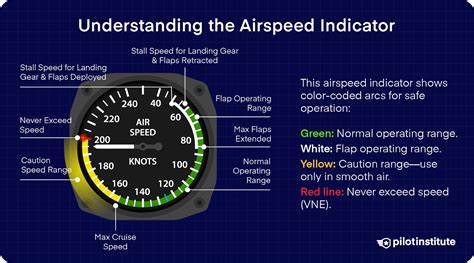
Indicated Airspeed (IAS) is the reading from the cockpit’s airspeed indicator and is the primary value used in applying regulatory speed limits. However, it doesn’t account for air density, which decreases with altitude. To correct this, True Airspeed (TAS) is calculated—a crucial metric for understanding how fast an aircraft is truly moving through the air.
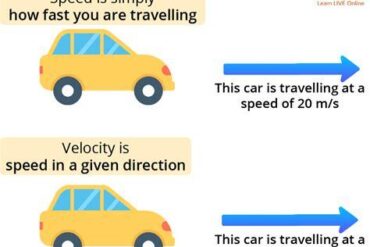
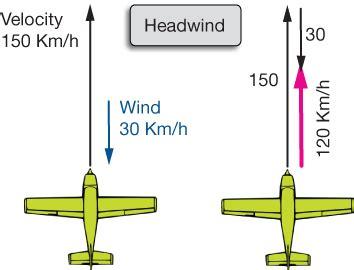
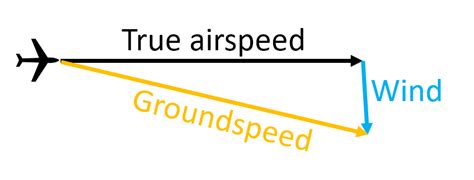
Ground Speed, meanwhile, reflects the aircraft’s velocity relative to the Earth’s surface, heavily influenced by wind direction and strength. A plane may cruise at a TAS of 450 knots but record a ground speed of 500 knots with a tailwind—or just 400 knots with a headwind.
Regulatory Speed Limits Below 10,000 Feet MSL
According to Federal Aviation Regulation (FAR) 91.117, aircraft flying below 10,000 feet Mean Sea Level (MSL) must not exceed 250 knots IAS. This restriction primarily ensures manageable closure rates between planes operating in terminal areas and allows ATC to maintain safe separation.
However, certain aircraft—particularly high-performance military jets or some corporate jets—may have minimum safe operating speeds above 250 knots. In such cases, FARs provide exemptions for these designs, allowing pilots to operate at their required minimums.
Speed Limits in Class B Airspace
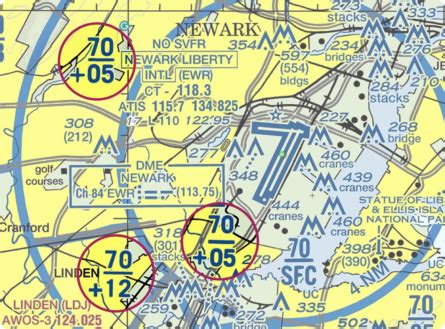
Around major airports, Class B airspace imposes an additional restriction: within this airspace and below 10,000 feet, aircraft must adhere to the 250-knot IAS limit. However, when operating under Class B shelves or transitioning, the maximum permitted speed drops to 200 knots IAS.
This helps manage the tightly choreographed ballet of aircraft arrivals and departures, especially near terminal control areas.
Speed Restrictions in Class C and D Airspace
In moderate-traffic areas such as regional airports, Class C and Class D airspace imposes a limit of 200 knots IAS when flying within 4 nautical miles and below 2,500 feet AGL. These zones commonly house mixed traffic—from regional jets to single-engine trainers—making airspeed regulation critical for collision avoidance and control workload.
Above 10,000 Feet: Mach Limits and Supersonic Rules
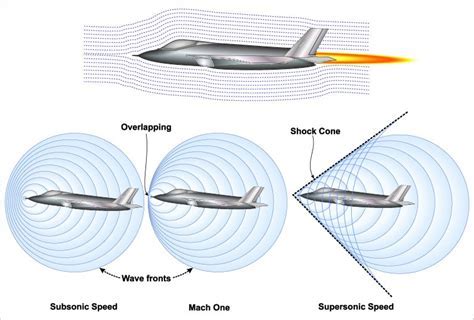
Once above 10,000 feet, speed regulations shift from IAS to Mach number due to thinner air and increasing compressibility effects. Most commercial aircraft operate below Mach 0.90–0.95, as exceeding this threshold introduces shockwave formation, instability, and airframe stress.
Under FAR 91.817, civilian aircraft are prohibited from exceeding Mach 1 over U.S. soil, except in controlled military testing scenarios. Supersonic speeds create sonic booms that can damage property and disrupt communities, which is why commercial supersonic travel remains tightly regulated.
Speed Changes Across Flight Phases
Aircraft velocity fluctuates depending on flight stage, with different operational and regulatory limits applying to:
-
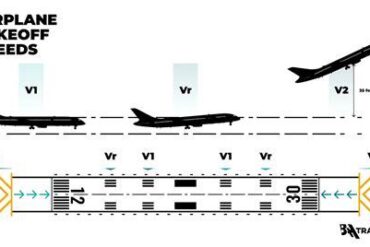
Takeoff: V1 (decision speed) and VR (rotation speed) vary by aircraft weight and runway length.
-
Climb: Best climb speeds (Vy, Vx) balance efficiency and obstacle clearance.
-
Cruise: Optimized for fuel economy and safety, typically between Mach 0.78 and 0.85.
-
Descent: Requires deceleration below 10,000 feet to maintain legal speed limits.
-
Approach: Final approach speeds near 140–160 knots depending on aircraft type and weight.
Air Traffic Control and Speed Management
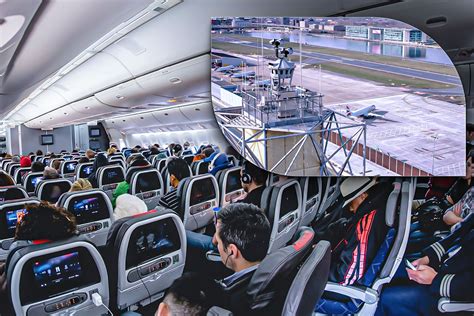
Air traffic controllers (ATC) play a key role in tactical speed management. While aircraft are expected to comply with FAR speed limits, controllers can issue specific speed instructions to maintain sequencing and spacing. For example, during final approach, a controller might instruct a Boeing 737 to reduce speed to 160 knots until 5-mile final, ensuring separation from a slower aircraft ahead.
ATC commands are legally binding under Instrument Flight Rules (IFR). Pilots must comply unless safety dictates otherwise. Failure to do so can result in violations or pilot certificate action.
Why Planes Don’t Always Fly at Max Speed
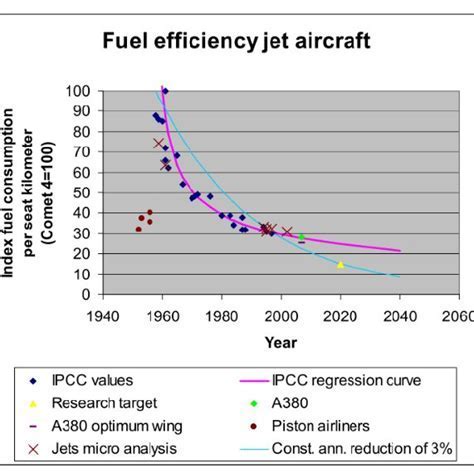
Flying at maximum speed isn’t efficient. According to the square law of drag, doubling speed quadruples drag. This means faster flights consume significantly more fuel and accelerate wear and tear on airframes and engines.
Commercial carriers prefer “cost index” optimized speeds, where time savings are balanced against fuel costs. In most cases, flying slower saves millions annually in jet fuel expenditures without affecting on-time performance.
What Happens When Pilots Fly Too Fast?
Pilot-induced overspeed is a serious matter. If a flight crew knowingly or negligently exceeds regulated or manufacturer speed limits:
-
Aircraft structural limits may be breached, leading to maintenance inspections.
-
Violations may be reported to the FAA, triggering an incident investigation.
-
Disciplinary actions may follow, including license suspension, retraining, or revocation.
Most speed violations are inadvertent, caused by turbulence or automation issues. But deliberate noncompliance—especially in controlled airspace—carries heavy consequences.
Conclusion
Aircraft speed limits are essential guardrails in global aviation. From limiting airframe stress to enabling safe ATC sequencing, every regulation is backed by physics, operational experience, and airspace management doctrine. Whether you’re flying a light trainer or commanding a widebody jetliner, understanding and respecting speed limitations is not just law—it’s an indispensable part of aviation safety.
Frequently Asked Questions
What happens if a plane flies faster than it should?
Flying faster than prescribed can result in structural damage, disrupted airflow over control surfaces, and potential in-flight instability. It may also trigger automated flight system warnings or result in enforcement actions by aviation authorities.
Why can’t commercial planes fly supersonic anymore?
After the Concorde’s retirement, regulatory and environmental limitations, especially sonic boom issues, made supersonic flight over land impractical. Current regulations ban speeds over Mach 1 across U.S. airspace, except for military or experimental use.
Is there a speed limit during takeoff or landing?
Yes. Speeds during takeoff and landing are tightly calculated based on aircraft weight, runway length, wind, and flap configuration. Exceeding these speeds can result in runway excursions or unstable approaches, both of which pose significant safety risks.