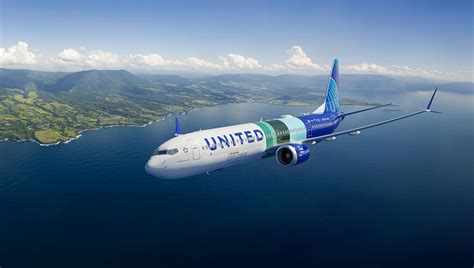
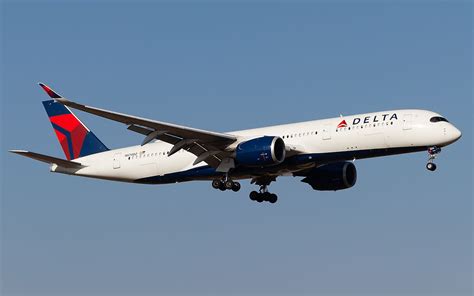
The U.S. airline industry is bracing for a turbulent year ahead, as economic instability sharply curtails revenue expectations for 2025. Once buoyed by a post-pandemic rebound, major carriers such as United Airlines, Delta Air Lines, and Southwest Airlines are now projecting only a 1% increase in passenger revenue, a clear indication that the sector is confronting growing headwinds. This deceleration in growth is largely attributed to a convergence of economic pressures: sluggish GDP performance, declining consumer confidence, and a resurgence of restrictive trade tariffs.
Weak GDP Growth Undermines Consumer Travel Demand
The first quarter of 2025 marked a crucial turning point, as the U.S. economy contracted by 0.3%, a statistic that sent shockwaves through consumer markets. This contraction coincided with a downturn in discretionary spending, especially in non-essential services like travel. The aviation sector, often a bellwether of economic health, has taken a hit as consumers reassess priorities amid fears of a potential recessionary spiral.
One of the clearest indicators of this sentiment is the Consumer Expectations Index, which has dropped to its lowest level since 2011, according to The Conference Board. The decline reflects a more cautious consumer base, hesitant to commit to leisure travel or business trips, thereby weakening a fundamental revenue stream for airlines.
Fare Declines Highlight Market Softness
The diminished demand has led to a noticeable drop in ticket prices, as airlines attempt to lure hesitant travelers. By March 2025, the average ticket price had fallen by 6% year-over-year, a statistic that underscores the depth of market weakness. This drop isn’t limited to pricing—booking volumes have also suffered. The Airlines Reporting Corporation noted a 5% decline in leisure ticket sales in May, with business bookings down 8%, highlighting a broad-based erosion in travel confidence.
Corporate and leisure travel segments, once viewed as cornerstones for recovery, are now sources of vulnerability. Despite robust marketing and route adjustments, carriers are encountering a shrinking customer base and intensified competition for fewer available travel dollars.
Airlines Revise Growth Targets Downward
The response from the airline industry has been swift, if reluctant. Leading carriers, including United, Delta, and American Airlines, have slashed their revenue forecasts, abandoning earlier hopes of 2-4% growth. In fact, some have gone as far as to suspend forward projections, citing “unprecedented volatility” in economic indicators as justification.
These revised expectations are indicative of deeper anxieties. Airlines that once confidently planned fleet expansions, route additions, and capital investments are now focusing on cost containment and operational efficiency. Caution is replacing ambition as the prevailing mood in boardrooms across the industry.
Low-Cost Carriers in the Eye of the Storm
While legacy carriers are adjusting to the slowdown, low-cost airlines are bearing the brunt of the downturn. These companies, which cater to the most price-sensitive travelers, have seen sharp contractions in demand. As economic worries mount, travelers who might have opted for budget flights are now opting out of travel altogether.
The squeeze is not just on the revenue side. Low-cost carriers face mounting operational expenses, particularly in fuel and labor, which are pressuring already-thin margins. Rising wages, union demands, and volatile oil markets have turned 2025 into what analysts are calling a “make-or-break year” for budget operators.
Bankruptcy filings, halted merger talks, and new consolidation bids are all signs of stress in this segment. A number of carriers have turned to strategic reinvention in a bid to survive.
Strategic Shifts Among Low-Cost Giants
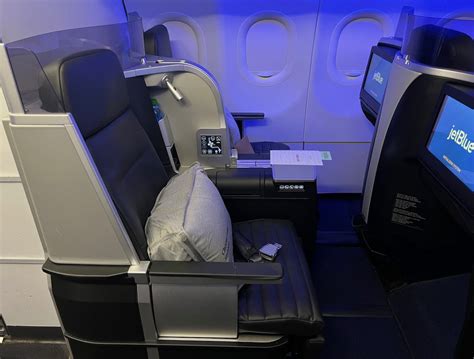
In response to economic adversity, leading low-cost airlines such as Southwest and JetBlue are overhauling their business models. JetBlue, long known for its affordable yet elevated in-flight experience, is doubling down on premium services. The rollout of Mint business class on additional routes and plans for domestic first-class seating reflect a deliberate shift toward higher-margin offerings.
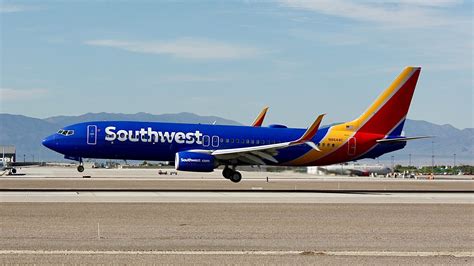
Meanwhile, Southwest Airlines—historically a stalwart of low-friction, low-cost flying—has enacted controversial policy changes. The airline has ended open seating and begun charging for checked bags, steps seen as essential to revenue stabilization. Yet these changes risk alienating loyal customers, making the outcome uncertain.
Although these strategic pivots are bold, their efficacy remains speculative. Consumer adoption of new premium services in a climate of financial caution could prove limited. The next several quarters will be critical in determining whether these repositioning strategies can generate meaningful revenue growth.
Economic Outlook Clouds Airline Recovery Hopes
The U.S. airline industry’s 2025 outlook is shrouded in uncertainty, with economic indicators pointing in conflicting directions. Though inflation has stabilized somewhat, tariffs remain a threat, especially for international operations. Additionally, ongoing supply chain disruptions are complicating aircraft deliveries, maintenance schedules, and staffing logistics.
For the legacy carriers, the focus has shifted toward attracting high-yield passengers and corporate clients, though those markets remain tepid. For budget airlines, innovation, flexibility, and cost control are likely to define success or failure in the near term.
Even traditionally strong hubs like Atlanta, Chicago, and New York are seeing lower than expected traffic flows, pointing to a systemic rather than regional issue. Travel sentiment remains dampened, with surveys indicating that even frequent flyers are reducing their travel plans or switching to ground-based alternatives for domestic trips.
Adapting to a Cautious, Cost-Conscious Consumer Base
One key shift that airlines are grappling with is the emergence of a more cautious and value-driven traveler. Post-pandemic recovery optimism has faded, replaced by budget mindfulness and reduced discretionary spending. Airlines are now reassessing loyalty programs, route networks, and onboard amenities to align better with evolving passenger expectations.
Fleet optimization has also gained priority. Several carriers have delayed aircraft purchases or renegotiated lease agreements to conserve cash. The result is a streamlined, leaner operational model that aims to preserve liquidity while maintaining service integrity.
While some airlines explore ancillary revenue opportunities—like dynamic pricing, onboard upgrades, or subscription-based services—the overarching challenge remains: how to grow profitably in a flatlining market.
Conclusion: A Pivotal Year for the U.S. Aviation Sector
The U.S. airline industry stands at a critical crossroads in 2025. With revenue projections flatlining at 1% growth, carriers must reckon with a reality that is far less forgiving than the post-pandemic boom years. Whether through strategic pivots, cost-cutting, or business model innovation, survival in this climate will depend on adaptability and agility.
Legacy carriers might weather the storm through scale and premium targeting, but low-cost airlines face an existential challenge. The next several quarters will reveal which strategies bear fruit—and which carriers are left grounded by a rapidly changing economic sky.