A routine Saturday turnaround at Delhi’s Indira Gandhi International Airport turned into an overnight ordeal for travelers bound for Dubai after a bird strike left an Emirates Boeing 777 with a damaged nose cone, forcing the airline to hold the jet on the ground for repairs and push its scheduled return service back by roughly 17 and a half hours. Flight EK517 had been due to leave DEL at 4:25 PM local time on Saturday, October 17, but the widebody ultimately lifted off at approximately 10 AM the following morning, turning a short evening hop across the Arabian Sea into a full-night stay on the ground for everyone booked on board.
Bird Strike Forces Emirates to Scrap Saturday Departure to Dubai
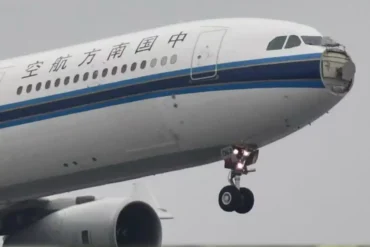
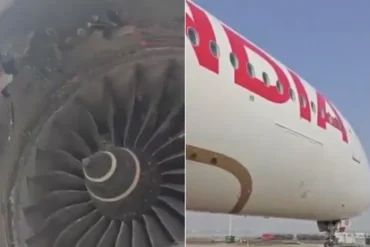
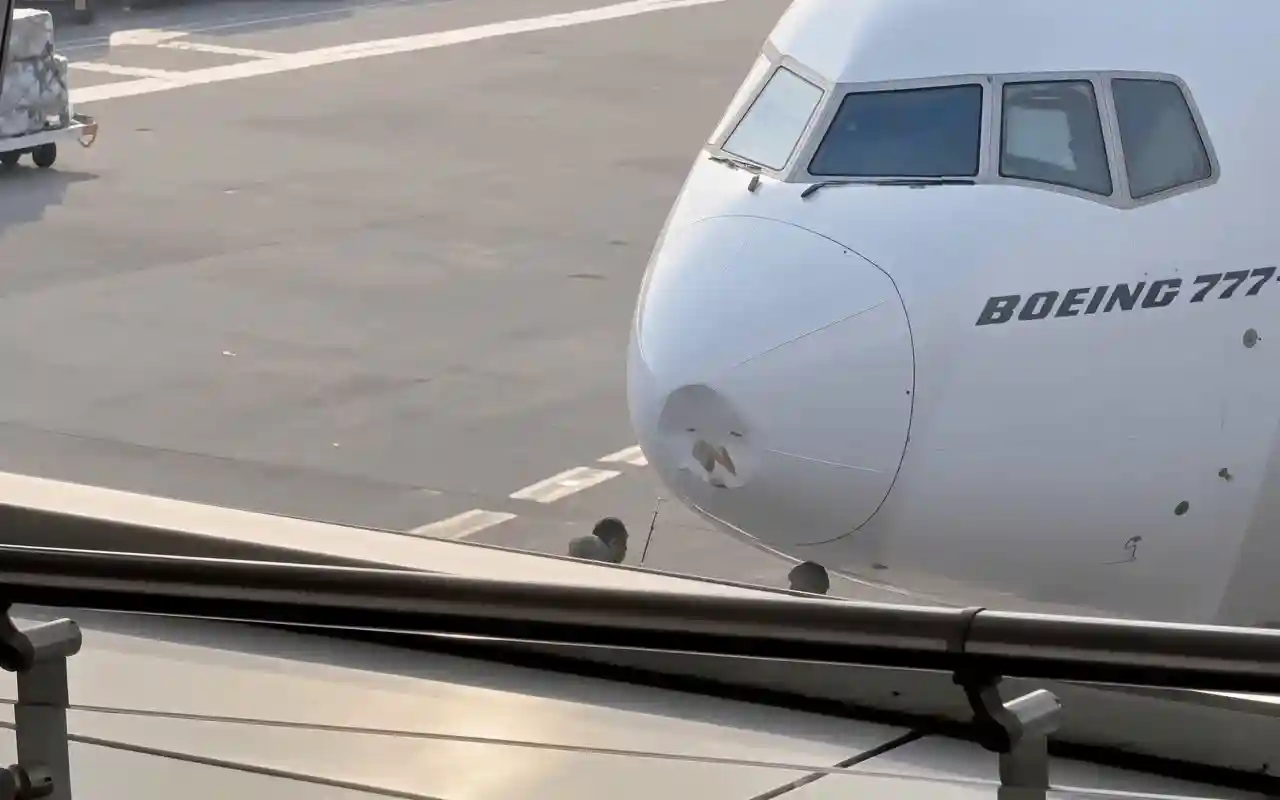
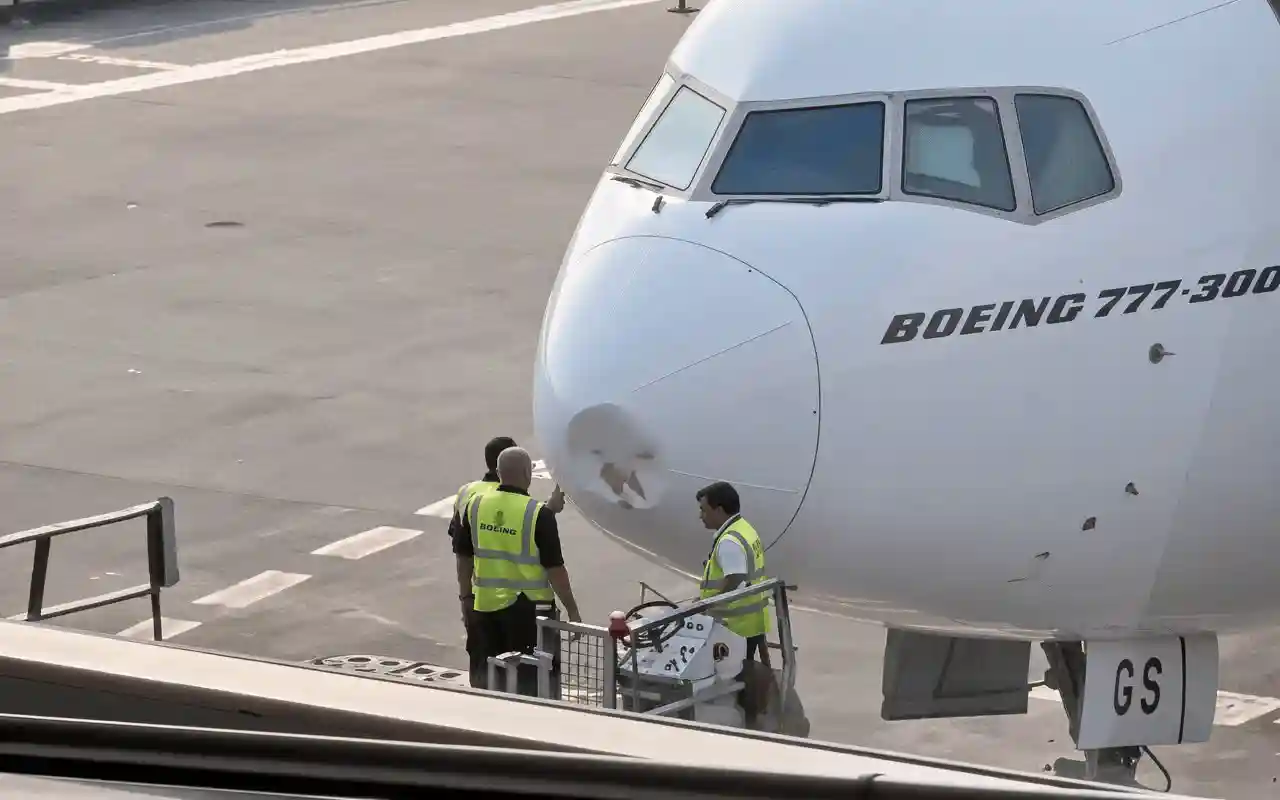
The trouble began not on the outbound leg but on the way in. Emirates confirmed that the aircraft operating the inbound Dubai-to-Delhi sector encountered a bird strike as it arrived in the Indian capital, leaving visible damage to the forward section of the fuselage that could not be waved through with a quick visual check. Airport ground personnel were filmed inspecting the affected nose area while the jet sat on the apron, with video footage circulating online showing the impact point on the radome and the cautious examination that followed. Emirates stated plainly that the return service would be delayed while the aircraft underwent the repairs its engineers deemed necessary, and the airline did not disclose the number of passengers caught up in the disruption or provide a granular breakdown of the structural damage sustained.
Repairs to the Radome Take EK517 Out of Service Overnight
The component at the center of the delay is far more consequential than its smooth, cone-shaped appearance suggests. The nose cone, or radome, houses the aircraft’s weather radar, the sensor suite that feeds vital precipitation and turbulence data to the flight deck during cruise and approach. Damage in this zone is not a cosmetic matter; carriers are obligated to inspect and, where required, repair the structure and confirm that the radar inside remains fully functional before releasing the aircraft for passenger service, which explains why a nighttime arrival was not followed by a dawn departure. Emirates revised the departure estimate to 7 AM on Sunday, then slipped again before EK517 finally pushed back at around 10 AM, with the airline emphasizing that the safety of passengers and crew would not be compromised at any stage of the process.
Emirates Books Hotels and Apologizes as Passengers Wait Through the Night
For those holding boarding passes, the practical response from the airline mattered as much as the engineering one. Emirates arranged hotel accommodation for affected passengers in Delhi and issued an apology for the disruption in a statement to Gulf News, a gesture that turned an uncomfortable night in the terminal into a supervised overnight stay with transport and lodging covered. Travelers on the flight should treat revised departure times as information rather than confirmation; onward reservations, hotel bookings in Dubai, and connecting itineraries are not automatically adjusted when a schedule change is issued, and passengers in similar situations are best served by watching the airline’s direct channels for updates and verifying their connecting arrangements separately.
How One Damaged Aircraft Ripples Across an Emirates Network
The episode is a compact illustration of how a single aircraft problem can cascade through an airline’s timetable. Emirates plans each 777 airframe around tightly linked rotations, and pulling a long-haul jet out of service for an extended repair window strips capacity from the schedule, complicates crew duty planning, and can ripple into later departures well beyond the original city pair. International operations add a further layer of difficulty, because missed connections can strand passengers booked across multiple regions, and the size of the knock-on effect depends heavily on spare fleet availability and how swiftly the airline can rebuild its flying program. In this case, Emirates absorbed the disruption on the ground, housed its passengers, and returned the aircraft to service the next morning rather than improvising a replacement widebody.
Why Bird Strikes Disrupt Flights Without Causing an Emergency
Bird strikes are a persistent hazard of commercial aviation, most frequent during takeoff, landing, and the approach phase when aircraft operate at low altitude where bird activity concentrates. The overwhelming majority cause little or no damage, but collisions can compromise windscreens, engines, and leading structures, and even a jet that lands safely, as this one did, may require maintenance sign-off before it is cleared to carry passengers again. The Delhi episode involved no reported emergency landing and no passenger injuries in the cited coverage, and the available information does not establish the precise extent of the damage or indicate that any other aircraft were affected. What it does show is the discipline that sits behind the disruption: a precautionary grounding, an inspection of the radar-bearing nose section, and a 17-hour wait that was inconvenient, costly, and entirely deliberate.