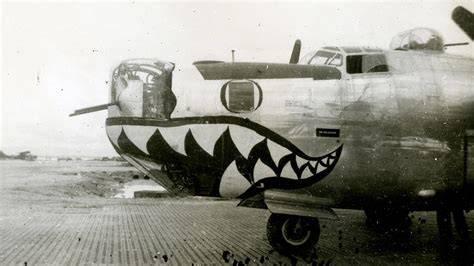
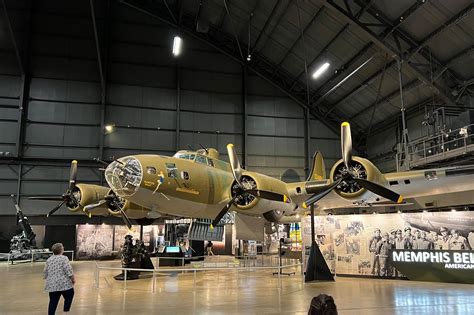
During World War II, the glass nose cone became one of the most recognizable features of heavy bombers. The transparent domes fitted to aircraft such as the B-17 Flying Fortress, B-24 Liberator, and B-29 Superfortress were not simply unusual design choices. They served a critical purpose: giving the bombardier a clear view of the ground and target during bombing runs.
At a time when bombs were largely unguided, hitting a target depended heavily on what the bombardier could see. There were no modern satellite-guided weapons, digital targeting computers, or autonomous systems capable of correcting a bomb’s course after release. The bombardier therefore needed an unobstructed view forward and downward, particularly during the final stages of an attack.
Why WWII Bombers Needed Transparent Nose Cones
The distinctive nose was closely connected to the way WWII aerial bombing was conducted. A bombardier operated a specialized bombsight while the aircraft followed a carefully controlled flight path toward the target. To make the necessary visual observations, he needed to see the terrain and target through the aircraft’s nose.
The famous Norden M-9 Bombsight represented a major technological advance. Developed by Carl Norden and introduced to the U.S. Army Air Corps in the early 1930s, it incorporated an analog computing mechanism and gyroscopic stabilization. The bombardier could enter information such as altitude, airspeed, and wind conditions, allowing the system to calculate where the aircraft needed to release its bombs.
The equipment could perform calculations, but it could not magically identify the target. Human vision remained fundamental. The bombardier had to locate the intended objective and align the aircraft and bombsight appropriately. A conventional metal nose would have blocked much of his view, making the transparent nose section an important part of the bombing system rather than merely an aircraft-window arrangement.
Glass Wasn’t Actually Ordinary Glass
Despite the common description of these structures as glass noses, many were made from acrylic materials rather than traditional silica glass. DuPont developed Lucite in 1931, while German chemist Otto Röhm had developed Plexiglas several years later. These transparent plastics offered characteristics that were particularly valuable for military aircraft.
Acrylic was considerably lighter than conventional glass and could be molded into curved shapes suitable for aircraft noses and canopies. It also provided useful resistance to impacts and fragmentation. For an aircraft operating at high altitude while exposed to enemy fire, reducing weight without completely sacrificing protection was extremely important.
B-17, B-24, and B-29 Glass Nose Design
The B-17 Flying Fortress is perhaps the aircraft most closely associated with the transparent bomber nose. Its rounded forward section gave the bombardier an expansive field of vision while creating the iconic silhouette that remains instantly recognizable today.
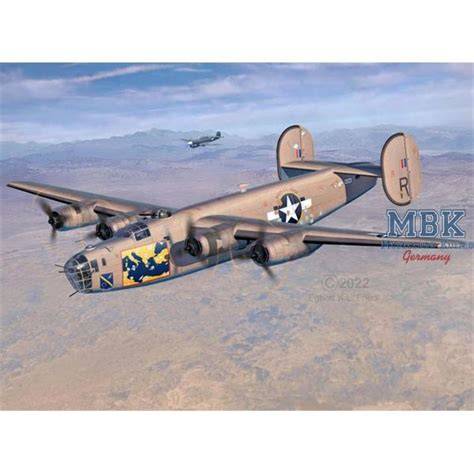
The B-24 Liberator used a similar concept, while the much larger B-29 Superfortress also incorporated a transparent forward section for its bombardier and related crew positions. These aircraft demonstrated how cockpit visibility, bombsight operation, and aircraft design had become tightly interconnected during the industrialized air war.
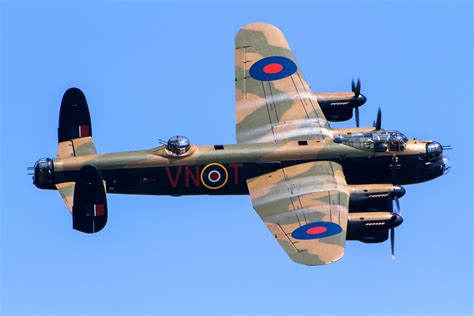
The concept was not uniquely American. German bombers such as the Heinkel He 111 and Junkers Ju 88 incorporated extensively glazed forward sections, while Britain’s Avro Lancaster and Handley Page Halifax also provided substantial visibility for their crews.
Why Transparent Noses Continued After WWII
The transparent nose did not immediately disappear when World War II ended. Some postwar aircraft, including the B-47 Stratojet and Douglas A-3 Skywarrior, retained glazed sections because visual observation and bombing procedures had not suddenly become obsolete.
The eventual decline of the glass nose reflected a broader transformation in military aviation. Radar, electronic navigation, computerized targeting, guided weapons, and increasingly sophisticated sensors gradually reduced the need for a bombardier to physically look through the aircraft’s nose and identify a target by sight.
The famous transparent bomber nose was therefore a product of its technological era. It represented the point where advanced mechanical bombsights met the unavoidable requirement for human eyes on the target. What looks today like a distinctive piece of aircraft styling was actually a carefully engineered solution to one of the most important problems faced by WWII bomber crews: seeing exactly where the bombs needed to fall.