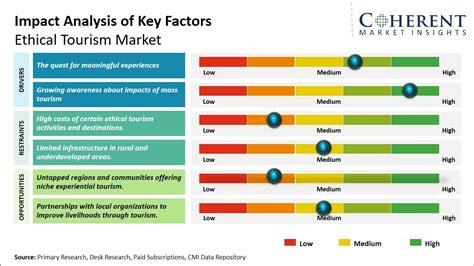
The global tourism landscape is undergoing a transformative shift, as Europe, America, and Africa spearhead a powerful movement toward ethical and responsible travel. This growing paradigm isn’t just a feel-good trend—it’s fueling a booming market projected to soar from USD 250.1 billion in 2025 to USD 417.3 billion by 2035, marking a 5.8% CAGR over the next decade. What’s emerging is a fundamental redefinition of what it means to travel in the 21st century—where cultural respect, environmental sustainability, and local empowerment form the cornerstones of exploration.
A New Era of Conscious Travel
The modern traveler is evolving. No longer driven purely by leisure or spectacle, today’s tourists are prioritizing eco-conscious choices, community inclusion, and cultural preservation. In Europe, where sustainability policies are well established, and in parts of Africa and America, where cultural and natural richness intertwine with innovation, this ethos is becoming embedded in tourism infrastructure and traveler expectations.
Whether it’s choosing carbon-neutral train routes through Scandinavia, booking community-run safari lodges in Kenya, or participating in indigenous-led eco-tours in Canada, travelers are increasingly demanding that their experiences align with global goals of equity and ecological responsibility.

Regional Trends Fueling Responsible Tourism
Europe: Sustainability and Policy Integration
Europe has long been a trailblazer in responsible tourism. Countries such as Norway, Sweden, and Germany are implementing strict environmental regulations and funding slow travel initiatives—like biking holidays and rail passes—to cut emissions. The continent also boasts robust certification systems such as EU Ecolabel and Green Key, which travelers increasingly use to verify the sustainability of accommodations and tour operators.
In urban centers like Amsterdam and Barcelona, tourism boards are now enforcing limits on short-term rentals and tourist-heavy zones, redistributing footfall to lesser-known areas and reducing overtourism pressures on cultural landmarks.
North America: Indigenous Wisdom and National Parks
In the U.S. and Canada, national parks remain a core focus for ethical travel. However, what’s gaining traction is the integration of indigenous knowledge systems into mainstream tourism. Experiences such as the Haida Gwaii cultural immersion in British Columbia or tribal-led heritage hikes in Arizona offer deep cultural insights while ensuring economic returns stay within local communities.
Technology is also advancing the cause. Platforms like Greenloons and TourRadar help tourists plan eco-responsible trips across the continent, offering certified options and real-time sustainability scoring.
Africa: Community-Centered and Biodiversity-Rich
Africa’s natural assets—sweeping savannahs, lush rainforests, and endemic wildlife—make it a hotspot for conservation-based tourism. Countries such as South Africa, Kenya, and Rwanda are embracing community-led conservation lodges and eco-camps that empower local populations through jobs, training, and ownership.
The Maasai Mara and Okavango Delta are examples of regions where eco-tourism has provided viable alternatives to extractive industries, protecting biodiversity while uplifting communities.

Technology: A Catalyst for Accountability and Empowerment
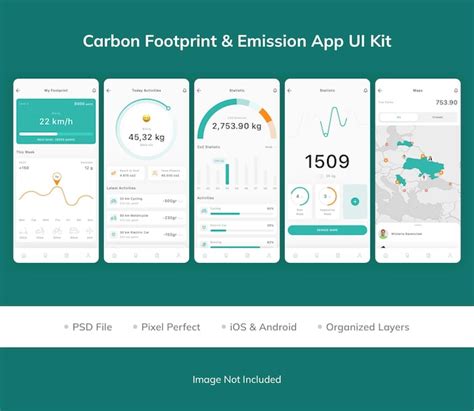
From AI-powered carbon calculators to blockchain-backed certification systems, technology is acting as a powerful enabler for responsible tourism. Mobile applications now allow travelers to:
- Track and offset their travel carbon footprint
- Choose accommodations rated on genuine sustainability metrics
- Discover lesser-known community-owned experiences across the globe
Startups like Fairbnb.coop are challenging monolithic booking platforms by redirecting booking commissions back into host communities. Meanwhile, initiatives like Biosphere Responsible Tourism are aligning tourism practices with the UN Sustainable Development Goals, creating a measurable impact standard for destinations.
Challenges That Threaten Sustainable Momentum
Despite its growing popularity, the responsible tourism sector faces several systemic barriers that could inhibit its scalability:
Lack of Unified Global Standards
A fragmented certification landscape confuses travelers and operators alike. Without a centralized authority or universally recognized standards, greenwashing—where businesses make false or exaggerated sustainability claims—continues to undermine consumer trust.
Accessibility Gaps for Small Operators
Small and remote tourism enterprises, especially in the Global South, often lack the digital tools and marketing reach to compete. These grassroots initiatives are typically the most authentic and responsible yet remain invisible without global exposure.
High Capital Demands for Sustainability Upgrades
Installing solar panels, greywater systems, or electric vehicle fleets involves heavy upfront investment. This dissuades many small businesses from adopting sustainability measures, particularly in countries where subsidies or incentives are limited.
Over-tourism in Eco-sensitive Zones
Ironically, even destinations promoting responsible tourism—such as Iceland or Bali—face over-tourism pressures. Increased visitor numbers, without proper controls, can lead to habitat degradation and cultural commodification, defeating the core intent of sustainability.

Notable Organizations Reshaping the Industry
Several global pioneers are reshaping what responsible travel looks like at scale:
- TourRadar – Offers vetted sustainable tour packages with certified operators.
- Wild Frontiers Adventure Travel – Known for culturally sensitive journeys in off-grid locations.
- Earthwatch Expeditions – Connects travelers with scientists for environmental fieldwork.
- Better Places Travel – Customizes sustainable trips rooted in local partnerships.
- Biosphere Responsible Tourism – Provides a sustainability roadmap tied to the SDGs.
- Fairbnb.coop – A cooperative model ensuring that revenue benefits local infrastructure.
These innovators aren’t merely offering alternatives—they’re redefining industry benchmarks and inspiring a new generation of travelers to demand better.
The Growth Path to USD 417.3 Billion
With consumer behavior realigning to favor values over volume, the responsible tourism market is poised for a steep growth trajectory. From USD 250.1 billion in 2025, it is set to reach USD 417.3 billion by 2035, a validation of the sector’s expanding appeal and financial viability. This growth isn’t just market-driven—it’s socially and ecologically necessary, as unchecked travel habits threaten to erode the very attractions they depend on.
International travel companies and policymakers must now double down on:
- Establishing standardized global sustainability metrics
- Providing financing mechanisms for green upgrades
- Supporting grassroots and indigenous tourism ventures
- Enforcing visitor caps in ecologically fragile zones

Conclusion: Toward a More Equitable and Regenerative Travel Future
As Europe, America, and Africa lead the charge in reshaping global tourism, the focus must remain on authenticity, accountability, and regeneration. Responsible tourism is no longer a peripheral trend but a driving force behind the industry’s next chapter. The journey ahead requires collective responsibility—from travelers making conscious choices to governments and tech companies providing transparent infrastructure.
With global awareness deepening and technology bridging the gap between ideals and execution, the prospect of a tourism industry that uplifts rather than exploits, preserves rather than pollutes, is no longer aspirational—it’s imminent. The shift toward ethical tourism, backed by robust growth projections and dynamic regional leadership, is setting the standard for what travel must become in the decades ahead.