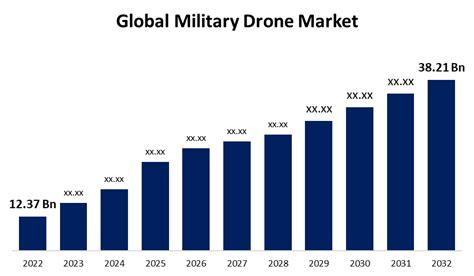
The Role of Geopolitical Tensions in Market Expansion
As global conflicts and regional disputes escalate, the demand for military drones continues to rise. The effectiveness of drones in asymmetrical warfare has become evident, particularly in recent conflicts such as the Russia-Ukraine war, the ongoing Indo-Pakistan tensions, and rising instability in the Middle East. For instance, in June 2025, Ukraine’s Operation Spiderweb, which saw over 100 low-cost AI-enabled drones targeting Russian military assets, marked a significant moment in drone warfare. These developments underline the increasing reliance on UAVs to execute precise strikes and surveillance missions without endangering human life.
Countries like Israel, Iran, Ukraine, Russia, and the United States have demonstrated the pivotal role of drones in achieving strategic objectives. The increasing frequency and intensity of these military engagements will inevitably lead to greater market demand for drone systems, boosting the military drone industry’s growth trajectory.
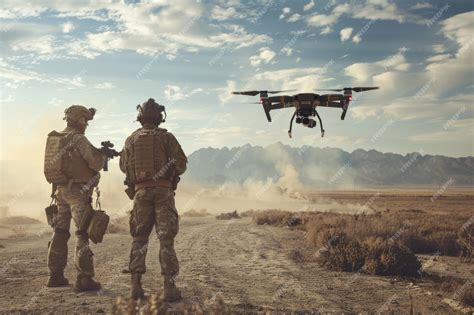
Technological Advancements Driving Growth
One of the most significant factors contributing to the rapid growth of the military drone market is the constant technological evolution of UAVs. The integration of artificial intelligence (AI), machine learning (ML), and autonomous navigation systems has significantly improved the operational capabilities of military drones, making them far more efficient and effective on the battlefield.
Advanced drones today feature autonomous flight, target recognition, and mission planning abilities, thanks to AI and ML innovations. For example, the U.S. Department of Defense’s ‘Replicator Initiative’ focuses on AI-driven drones capable of coordinated swarm tactics, a strategic move to overwhelm enemy defenses. These drones are equipped with sensors that process vast amounts of data in real-time, enabling them to operate autonomously and complete missions with minimal human intervention.
In addition, swarm drone technology—where large numbers of drones work together in a synchronized manner—is gaining traction. This technology allows military forces to overwhelm enemy positions and engage in mass surveillance, making it one of the most powerful tools in modern military arsenals.
The Strategic Importance of UAVs in Military Applications
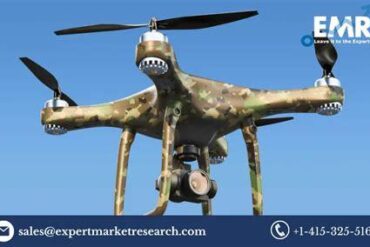
Military drones serve several critical functions in modern warfare. Intelligence, surveillance, and reconnaissance (ISR) are perhaps the most widely recognized roles of military UAVs, enabling defense forces to monitor battlefields, border regions, and sensitive territories without risking human life. Moreover, drones are now an essential part of combat operations, from aerial attacks to targeted strikes against enemy infrastructure. The flexibility and multi-role capability of military drones ensure their continued prominence in strategic defense planning.
The cost-effectiveness of these drones further enhances their appeal. While advanced drones can be expensive, especially those with stealth capabilities and cutting-edge AI-powered navigation, they are still a more affordable alternative to traditional military air assets like fighter jets. This makes military drones an attractive option for nations with constrained defense budgets, especially given the increasing demand for technological superiority.
Regional Dynamics and Market Performance
The North American market is expected to retain a dominant market share in 2025, with the United States being the largest contributor. The U.S. is home to leading defense contractors like Northrop Grumman, General Atomics, Boeing, and Lockheed Martin, all of which are making continuous advancements in drone technology. These companies are at the forefront of the military drone revolution, offering both unmanned aerial systems (UAS) and drones for various military applications.
Meanwhile, the Asia-Pacific market, led by China, is anticipated to experience the fastest growth, thanks to the rapid advancements in drone technology and increased defense spending in the region. Nations in the Asia-Pacific region are heavily investing in military drone technologies to bolster their defense capabilities, with a focus on both surveillance drones and combat UAVs. As defense budgets continue to rise and government policies become more favorable toward drone development, the demand for UAVs in these regions will only continue to surge.
The Challenges of High Costs and Export Restrictions
While the military drone market is set for robust growth, challenges remain in the form of high costs and export restrictions. Advanced military drones can be incredibly expensive, with the MQ-9 Reaper drone, for example, costing between USD 15 million and USD 30 million. These high costs can limit the widespread adoption of advanced UAVs, particularly among smaller nations with budget constraints. Despite these challenges, the growing recognition of drones as a critical element of modern warfare is pushing many nations to prioritize drone technology acquisition.
In addition, export restrictions have been a major factor limiting the global distribution of high-end military drones. Countries like the United States and China have strict regulations on drone exports due to national security concerns. For instance, China’s export control measures on UAVs may limit the availability of certain advanced drones to global markets. These restrictions could result in slower growth in some regions, even as the overall market expands.
Market Outlook and Future Prospects
The outlook for the global military drone market remains incredibly positive, with many factors driving continued growth. The surge in defense spending, particularly in North America and Asia-Pacific, is expected to unlock new opportunities for manufacturers of military drones. Additionally, advancements in AI and autonomous systems will continue to enhance the capabilities of military drones, making them indispensable tools for modern warfare.
With increasing investment in drone technology and the ongoing integration of AI-powered drones, nations around the world will continue to expand their military drone fleets. This trend is especially visible in Europe, where NATO nations are supplying advanced drone systems to Ukraine, further driving demand for cutting-edge drone technology. Similarly, Turkey and Israel are making significant strides in the development of small tactical drones, further shaping the future of military drone warfare.
Conclusion
The military drone market is set for exponential growth in the coming years, fueled by rising geopolitical tensions, rapid technological advancements, and increased defense spending. As UAVs continue to play a critical role in modern military operations, they will become an essential tool in a nation’s defense arsenal. Despite the challenges posed by high costs and export restrictions, the overall trajectory of the market is one of significant opportunity and expansion, ensuring that drones remain at the forefront of military technology for years to come.