Explosive depressurization happens in less than half a second. This rapid decompression is mainly seen in small aircraft flying at high altitudes. When decompression occurs this quickly, it can exceed the rate at which our lungs can adjust, leading to potential lung damage. Interestingly, the risk of reaching dangerous decompression levels decreases as the size of the pressure hull increases.
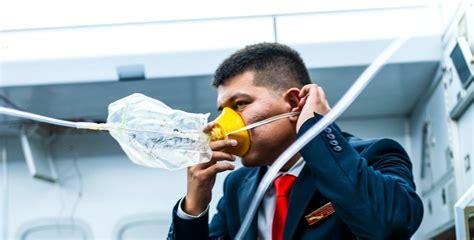
Most aviation authorities classify any decompression taking less than 0.5 seconds as “explosive.” In such situations, cabin air can quickly fill with dust and debris, accompanied by fog from sudden drops in temperature and changes in humidity. Crew members may feel momentarily dazed or shocked, especially if the event is unexpected, making them slow to don oxygen masks. A major concern during depressurization is crew incapacitation caused by hypoxia, which is the lack of oxygen. The explosive nature of the decompression reduces the time of useful consciousness, making quick reactions essential.
Another risk linked to high-altitude decompression is decompression sickness. If the cause of the decompression is structural failure, like a window breaking, there’s a chance that crew or passengers could be exposed to strong winds, debris, extreme cold, or even be sucked out of the aircraft. This highlights the importance of wearing seat belts or harnesses whenever seated.