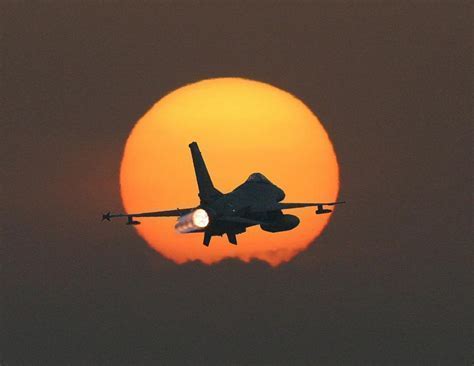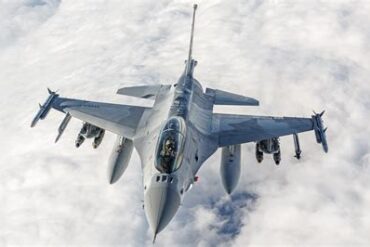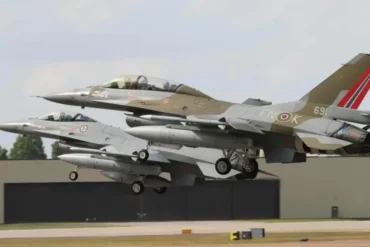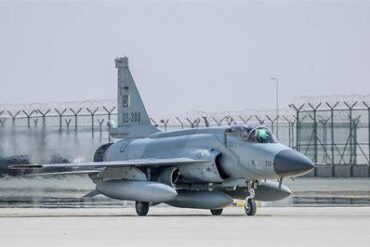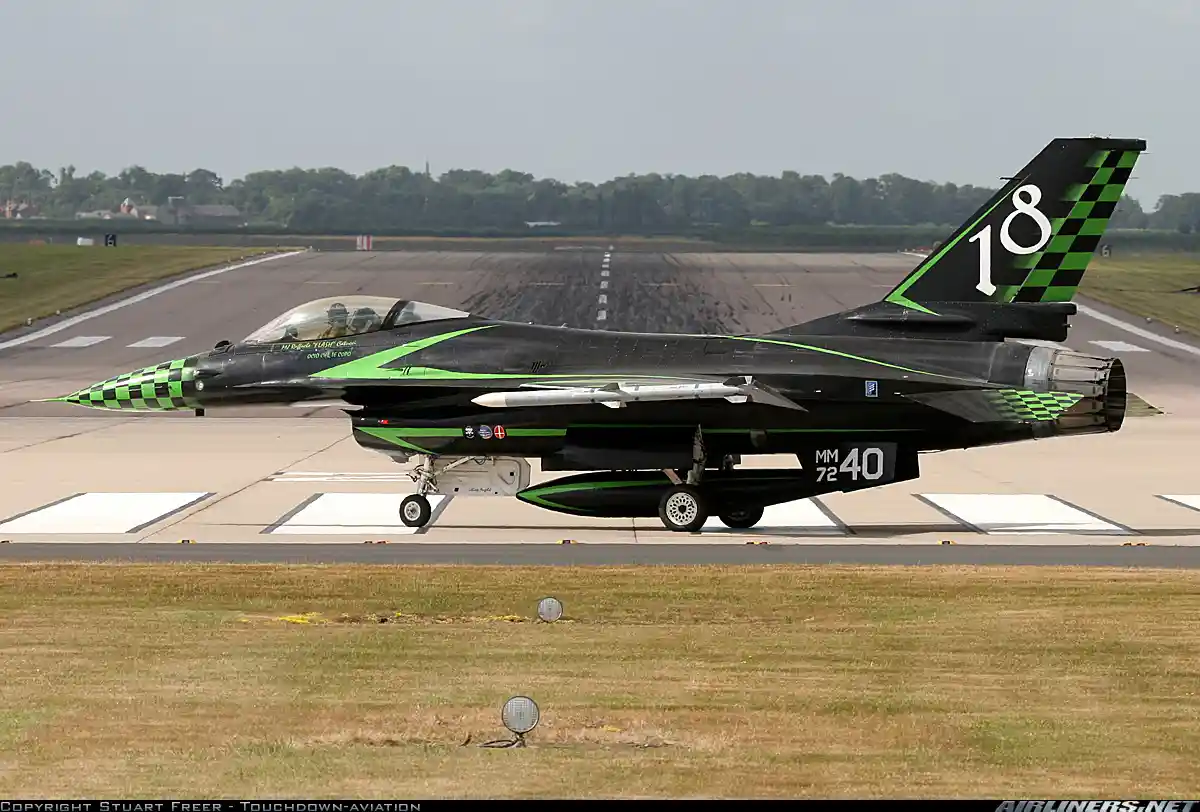
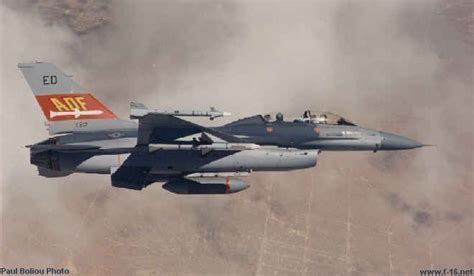
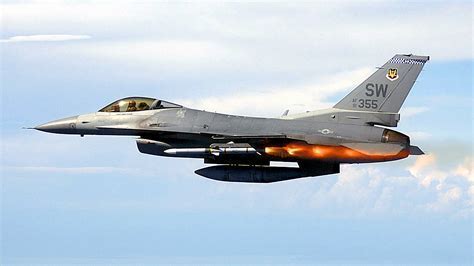
The F-16 ADF (Air Defense Fighter) is a dedicated air interception variant of the F-16 Fighting Falcon, optimized for countering Cold War-era aerial threats, particularly enemy bombers and cruise missiles. Developed as an upgrade to older interceptors, the F-16 ADF served as a key asset in continental air defense operations, primarily for the United States Air National Guard (ANG).
Development and Strategic Role
Origins of the F-16 ADF Program
The F-16 ADF originated from the Advanced Day Fighter (ADF) program, initiated to provide the ANG with a cost-effective, high-maneuverability interceptor to replace aging aircraft like the F-4 Phantom II and F-106 Delta Dart. The program emphasized modern radar integration and advanced missile capability to ensure effective engagement against fast-moving aerial threats.
Key Development Milestones:
- Base Model: Derived from the F-16A/B Block 15 platform.
- Production Period: 1989-1992.
- Total Conversions: 271 aircraft.
- Primary Operators: U.S. Air National Guard, later exported to Italy and Thailand.
Technical Enhancements and System Upgrades
Advanced Radar and Fire Control
To fulfill its interception role, the F-16 ADF received significant avionics enhancements. The original radar was replaced with the AN/APG-66(V1) fire-control radar, which improved detection and tracking capabilities, particularly against low-altitude cruise missiles.
Missile and Weapons Integration
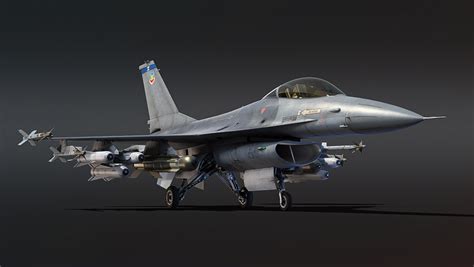
One of the defining features of the F-16 ADF was its integration of beyond-visual-range (BVR) weaponry. Unlike standard F-16A models, which were limited to short-range air-to-air missiles, the ADF version could carry:
- AIM-7M “Sparrow” missiles (medium-range, radar-guided).
- AIM-120 AMRAAM (advanced beyond-visual-range capability).
- AIM-9L “Sidewinder” (close-range infrared-guided missile).
Additionally, the aircraft retained its M61 Vulcan 20mm rotary cannon for short-range engagements.
Enhanced Identification and Communication Systems
To improve engagement reliability and electronic warfare resilience, the F-16 ADF featured:
- AN/APX-109 Mk7 IFF (Identification Friend or Foe) system with a four-antenna “bird slicer” configuration for enhanced tracking.
- New UHF/VHF radio systems and GPS navigation for improved situational awareness.
- 250-watt high-intensity identification spotlight, mounted on the port side of the fuselage for night interceptions.
Loadout and External Stores
The F-16 ADF could carry two AIM-7M Sparrow missiles under the fuselage, two AIM-9L Sidewinders on the wingtip rails, and additional fuel tanks or electronic countermeasure pods for extended range and survivability.
Performance Characteristics
Flight Dynamics and Interception Capabilities
Retaining the core strengths of the F-16 family, the ADF variant was a highly maneuverable interceptor with an exceptional thrust-to-weight ratio, powered by the Pratt & Whitney F100-PW-220 turbofan engine.
- Instantaneous turn rate: 25.5 degrees per second.
- Maximum speed: 2,146 km/h (Mach 2.05) at 10,973 meters altitude.
- Rate of climb: 305 meters per second.
- Service ceiling: 15,240 meters.
- Turn time: 19 seconds.
These characteristics enabled rapid interception of hostile targets within continental airspace, making it a formidable defensive asset.
Operational History and Deployment
Service in the U.S. Air National Guard
The F-16 ADF was primarily deployed with the U.S. Air National Guard, tasked with airspace defense missions under North American Aerospace Defense Command (NORAD). Units stationed in states like Oregon, California, and Florida routinely patrolled the North American Air Defense Identification Zone (ADIZ).
- Primary bases: ANG units in Oregon, Montana, and North Dakota.
- Key missions: Intercepting Soviet Tu-95 bombers and potential threats during the Cold War and post-Cold War era.
- End of service: Retired from U.S. operations in the late 1990s, some were stored in Davis-Monthan AFB.
International Operators
After retirement from the U.S., several F-16 ADFs were exported:
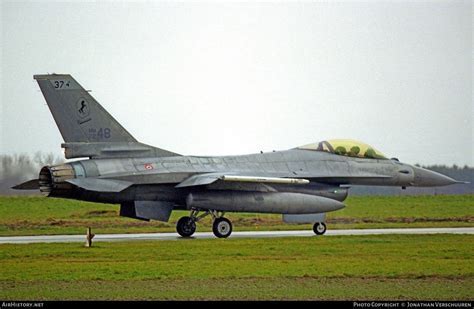
- Italy: Operated leased F-16 ADFs from 2003 to 2012 before transitioning to the Eurofighter Typhoon.
- Thailand: Acquired surplus F-16 ADFs to bolster regional air defense.
- Ukraine: Recently received F-16 ADFs for cruise missile interception against Russian forces.
Evolution and Future Prospects
Upgrades and Modernization
Although phased out in favor of more advanced platforms, modernization programs such as the Mid-Life Update (MLU) have enabled some F-16 ADFs to remain operational. Upgrades include:
- AN/APG-83 AESA radar for superior target tracking.
- Link 16 data link for enhanced network-centric warfare.
- Integration of advanced electronic countermeasures to maintain combat relevance.
Legacy and Influence
The F-16 ADF played a crucial role in U.S. and allied airspace defense, influencing the development of modern multirole fighters. Its emphasis on interceptor-specific modifications paved the way for enhanced air defense strategies worldwide.
FAQ: Frequently Asked Questions
1. Why was the F-16 ADF developed instead of using existing F-16 models?
The standard F-16A/B models lacked beyond-visual-range engagement capability, making them inadequate for interceptor roles. The ADF modifications equipped them with radar-guided missiles, improved radar systems, and enhanced electronic warfare capabilities, making them effective against high-speed threats.
2. What were the main differences between the F-16 ADF and standard F-16s?
The F-16 ADF featured:
- AN/APG-66(V1) radar for superior tracking.
- AIM-7 Sparrow missile capability.
- Enhanced IFF and night operation systems.
- Upgraded communication and navigation avionics.
3. Why was the F-16 ADF retired?
With the introduction of the F-15C, F-22 Raptor, and modernized multirole fighters, the F-16 ADF became obsolete. The lack of structural updates for sustained operations led to its replacement by newer aircraft with superior performance and multirole flexibility.
The F-16 ADF remains a significant chapter in air defense history, demonstrating the importance of specialized interceptor platforms in national security and aerospace defense operations.