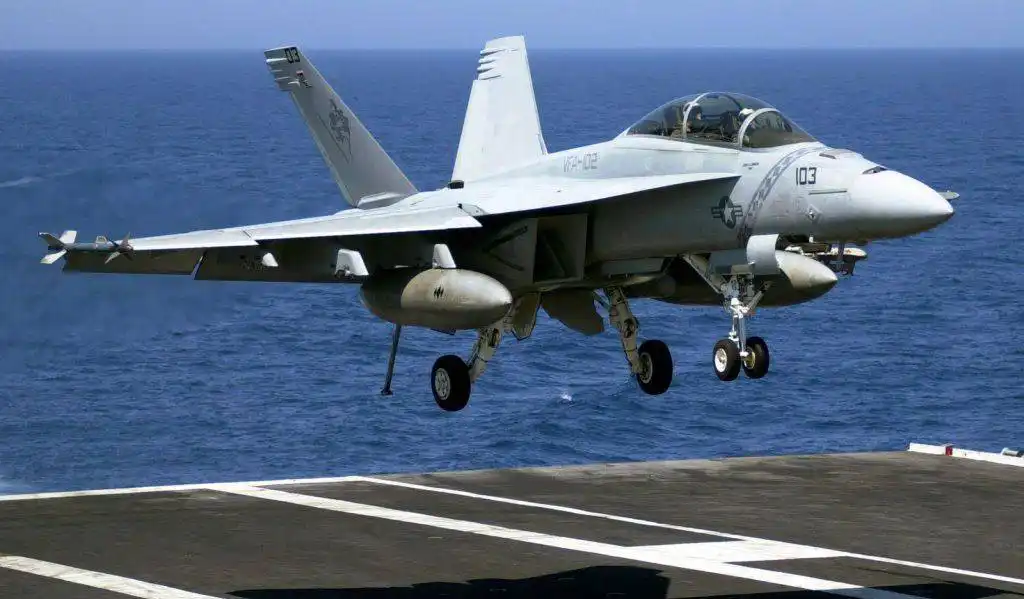
The F/A-18 Hornet and its upgraded version, the F/A-18 Super Hornet, represent some of the most advanced military aircraft ever designed. One of the most critical elements in their design and performance is the engine air intakes. These specialized components play a crucial role in ensuring the aircraft operates efficiently and effectively, especially at high speeds and under extreme conditions. This article delves into the F/A-18 air intakes, exploring their function, design differences between the Hornet and Super Hornet, and the technology that powers these sophisticated systems.
The Role of F/A-18 Air Intakes in Aircraft Performance
The primary purpose of the air intakes on any jet engine is to funnel air into the engine for combustion. However, in the case of the F/A-18, the design of these intakes goes far beyond simple airflow management. These intakes ensure that the air entering the engine is smooth, uninterrupted, and at the proper pressure, which is essential for maintaining optimal engine performance and preventing compressor stall—a situation where the engine’s compressor blades lose their efficiency due to turbulent airflow.
On the F/A-18, the design of the air intakes incorporates several features that work together to maintain high engine efficiency. These include splitter plates, bleed-air vents, and specialized intakes for engine cooling and cabin pressurization. Each of these components plays a unique role in the aircraft’s overall performance and is engineered for maximum efficiency.
Air Intake Differences: F/A-18 Hornet vs. F/A-18 Super Hornet
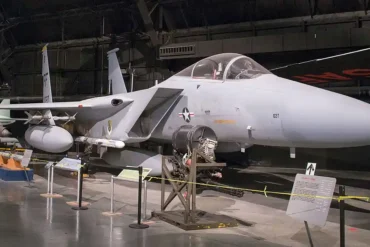
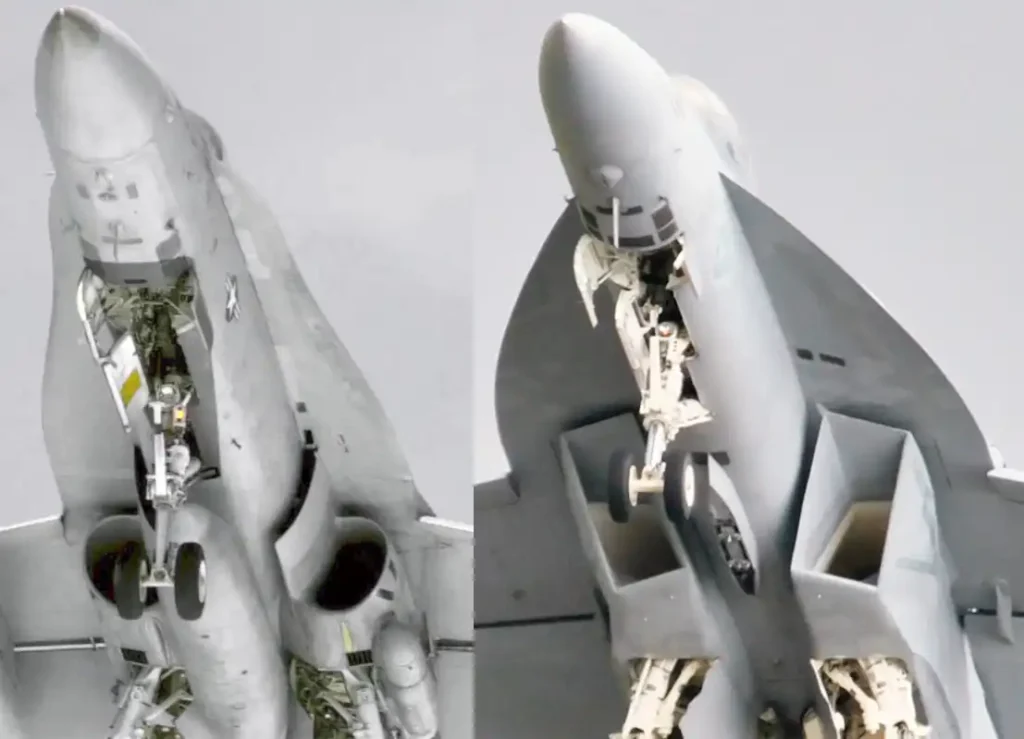
One of the most noticeable differences between the F/A-18 Hornet and the F/A-18 Super Hornet is the design of their engine air intakes. The F/A-18 Hornet features rounded air intakes, while the Super Hornet has larger, rectangular air intakes. This design modification is a key aspect of the Super Hornet’s performance enhancements.
F/A-18 Hornet: Rounded Air Intakes
The F/A-18 Hornet, known as the “legacy” version, uses rounded air intakes. These rounded intakes were designed for the specific needs of the aircraft during its early service life, which included high agility and speed at lower altitudes. While effective, the rounded intakes have a smaller cross-sectional area, limiting airflow capacity compared to the Super Hornet.
F/A-18 Super Hornet: Larger Rectangular Air Intakes
The F/A-18 Super Hornet represents a significant evolution in terms of both performance and design. One of the most notable upgrades is the larger rectangular air intakes, which are designed to accommodate the GE F414 engine used in the Super Hornet. These larger intakes allow for increased airflow, which is crucial for enhancing the engine’s performance at higher speeds and altitudes. The increased size also helps reduce the risk of compressor stall, particularly during high-speed maneuvers.
The Splitter Plate: Ensuring Smooth Airflow
At the heart of the F/A-18 air intake system is the splitter plate, a critical component that helps maintain airflow stability and engine efficiency. The splitter plate is a thin, vertical structure located inside the air intake, which separates the incoming airflow into two distinct streams. This separation is essential for preventing boundary layer flow from entering the intake, which can cause turbulence and disrupt the smooth flow of air into the engine.
The Function of the Splitter Plate
The splitter plate plays a pivotal role in reducing the risk of compressor stall. By separating the incoming airflow, the plate ensures that the engine receives a consistent supply of clean, high-pressure air. The splitter plate also helps manage the boundary layer flow, which refers to the layer of air closest to the surface of the aircraft that can be turbulent and slow-moving. If this slow-moving air enters the engine, it can lead to inefficient combustion and engine instability.
Additional Intake Features: Bleed-Air Vents and Engine Cooling
Beyond the primary air intakes, the F/A-18 incorporates additional intake features that enhance its operational capabilities. These include bleed-air vents and intakes designed for engine cooling.
Bleed-Air Vents for Engine Performance
The bleed-air vents on the F/A-18 are located on the inboard surface of the engine intake ducts. These vents serve a dual purpose: they reduce the amount of air entering the engine and help manage the temperature of the engine components. Bleed air is essentially compressed air that is diverted from the engine’s compressors and used for various aircraft systems, including air conditioning, cabin pressurization, and avionics cooling.
By diverting some of the compressed air before it enters the engine, the bleed-air vents help prevent overheating and ensure that the engine operates within the optimal temperature range. Additionally, this air is redirected to slots above the wings, improving the overall performance of the aircraft, particularly during takeoff and high-speed flight.
Engine Cooling and Heat Exchange Systems
The F/A-18 incorporates advanced engine cooling systems that rely on specialized air intakes to manage the temperature of both the engines and the aircraft’s various onboard systems. The aircraft features a primary heat exchanger, located in the engine air intake area. This heat exchanger acts as a radiator for the bleed-air system, helping to reduce the temperature of the air before it is used for critical systems like air conditioning and cabin pressurization.
A secondary heat exchanger is located on the opposite side of the aircraft, performing the same function. The cooling process is enhanced by a water separator, which extracts water from the bleed air as it passes through the heat exchanger. This water is then expelled from the aircraft, creating a visible mist that can sometimes be seen rising from the aircraft during engine startup or high-throttle operations.
Importance of the Bleed-Air Cooling System
Without the bleed-air cooling system, the F/A-18 would struggle to operate efficiently, particularly in warm climates or when stationary on the ground. The system helps prevent overheating of the engine and ensures that the aircraft’s internal systems remain within their optimal operating ranges. If the system were to fail, the aircraft would experience overheating and potential AVAIR hot codes, which could lead to engine malfunction or failure.
Conclusion: The Complex Role of F/A-18 Air Intakes
The F/A-18 Hornet and Super Hornet are marvels of aerospace engineering, and their engine air intakes play a critical role in their performance. From the splitter plates that ensure smooth airflow to the bleed-air vents that help manage engine temperature and aircraft systems, every component of the intake system is designed with precision to maximize efficiency and prevent engine instability.
The difference in air intake design between the Hornet and Super Hornet highlights the evolution of this critical component. The Super Hornet’s larger, rectangular intakes allow for increased airflow, better engine cooling, and enhanced performance, while the legacy Hornet’s rounded intakes offer a more compact solution that was effective in earlier versions of the aircraft.
Ultimately, the design and functionality of the F/A-18 air intakes are a testament to the importance of every detail in aircraft design. Whether for ensuring optimal airflow, engine stability, or system cooling, the intake system remains a key factor in the overall success of the F/A-18 family of aircraft.