The world of fighter pilot jobs represents one of the most exhilarating and prestigious careers within the aviation and military sectors. These roles are not only high-risk and high-reward but also require unparalleled skill, rigorous training, and unwavering commitment. Whether flying at Mach speeds, executing intricate aerial maneuvers, or serving as a critical asset in defense strategies, fighter pilots embody the pinnacle of airborne excellence.
The Demand for Fighter Pilot Jobs in Modern Aviation
As global security dynamics evolve, so does the demand for highly trained fighter pilots. Organizations such as Boeing, Lockheed Martin, and the U.S. Navy are continuously seeking skilled individuals to fill critical positions ranging from operational roles to subject matter experts (SMEs) in fighter tactics. Salaries in these fields reflect the high level of expertise required, often ranging from $75,000 to $185,000 annually, with additional benefits such as health insurance, retirement plans, and paid time off.
These jobs are often categorized into:
- Active Fighter Pilots operating cutting-edge aircraft like the F/A-18 Hornet and F-35 Lightning II.
- Instructor Pilots training the next generation of aviators.
- Subject Matter Experts providing strategic insights and technical knowledge to enhance mission effectiveness.
Key Employers in the Fighter Pilot Job Market
Several leading organizations dominate the fighter pilot employment landscape:
Boeing remains at the forefront, offering positions such as Fighter Pilot SME and Test Engineers. Similarly, Lockheed Martin recruits experienced pilots for their Contract Instructor Pilot programs, focusing on the F-22 and F-35 platforms.
Another significant player, Delaware Resource Group of Oklahoma, specializes in supporting military aviation programs across the United States, emphasizing the need for operational experience and instructional excellence.
Roles and Responsibilities of Fighter Pilots
The responsibilities associated with fighter pilot jobs are complex and diverse. Fighter pilots are tasked with:
- Conducting air-to-air and air-to-ground combat missions.
- Executing reconnaissance and intelligence-gathering operations.
- Performing defensive maneuvers to protect assets and territory.
- Participating in rigorous training simulations to maintain combat readiness.
Instructor pilots and SMEs also engage in curriculum development, mission planning, and systems testing, ensuring that both personnel and equipment operate at peak performance levels.
Pathways to Becoming a Fighter Pilot
The journey to securing a fighter pilot job is arduous but immensely rewarding. Candidates typically require:
- A Bachelor’s degree from an accredited institution.
- Completion of specialized military aviation training programs.
- U.S. citizenship or legal equivalent status.
- Age qualification of at least 17 years.
Those interested in Navy aviation careers, for instance, must undergo rigorous flight training, often culminating in carrier qualifications, where pilots learn to launch and land on moving aircraft carriers under high-stress conditions.
Salary Expectations and Benefits
Fighter pilot salaries are highly competitive, reflecting the responsibilities and risks involved. Entry-level co-pilot roles, such as those at Sofar, offer starting salaries around $75,000 annually. More advanced roles, like Boeing’s Fighter Pilot SME, command between $155,000 to $185,000.
Additionally, comprehensive benefit packages typically include:
- Health, vision, and dental insurance.
- Retirement and savings plans.
- Flexible spending accounts.
- Paid parental leave and generous vacation allowances.
- Tuition assistance and continuing education programs.
These benefits ensure pilots and their families are well-supported, both financially and professionally.
Types of Fighter Aircraft Pilots Fly
Modern fighter pilots are trained to master some of the most sophisticated aircraft ever built. Key models include:
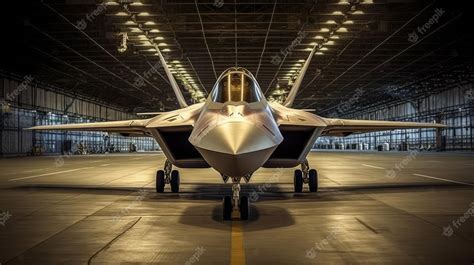
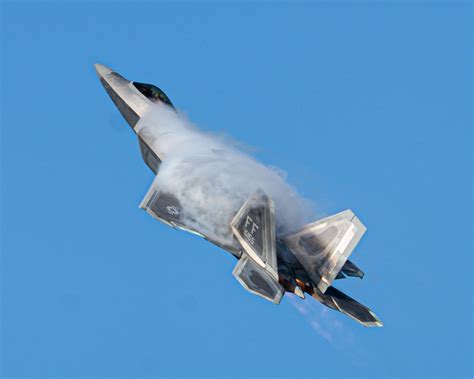
- F-22 Raptor – Renowned for its stealth and supercruise capabilities.
- F-35 Lightning II – The epitome of next-generation multirole fighter technology.
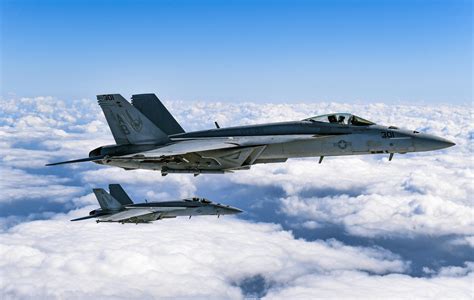
- F/A-18 Hornet – A versatile carrier-capable fighter with decades of proven performance.
- E-2 Hawkeye and P-8 Poseidon – While not traditional fighters, pilots in these aircraft fulfill crucial command, control, and surveillance roles.
Each platform demands specific skills and training, tailored to the unique missions they support.
The Training Process for Fighter Pilots
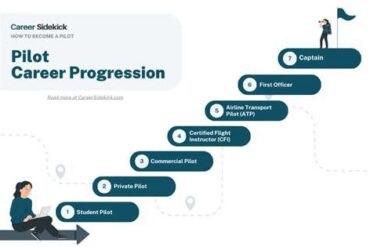
The path from civilian life to fighter cockpit includes multiple rigorous phases:
- Officer Candidate School (OCS) or equivalent commissioning program.
- Primary Flight Training, emphasizing fundamental flight skills.
- Advanced Flight Training, tailored to tactical aviation.
- Fleet Replacement Squadron (FRS) Training, where pilots learn the specifics of their assigned aircraft.
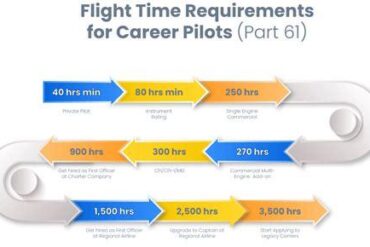
Training often spans several years and includes academic study, simulator sessions, and extensive flight hours under progressively challenging conditions.
Career Progression and Opportunities
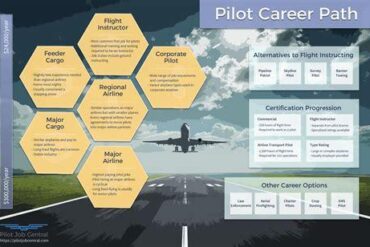
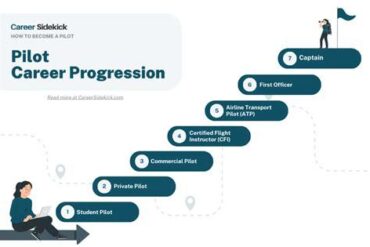
Career growth for fighter pilots can take several trajectories. After accumulating operational experience, pilots may move into roles such as:
- Instructor Pilots mentoring the next generation.
- Test Pilots involved in aircraft development and evaluation.
- Tactical Consultants advising on air combat strategy and training.
Additionally, many transition into aviation-related fields in the civilian sector, including airline piloting, aerospace engineering, and corporate aviation consulting.
Work Environments for Fighter Pilots
Fighter pilots operate across a variety of dynamic settings, including:
- Aircraft carriers and naval bases.
- Shore squadrons and air stations worldwide.
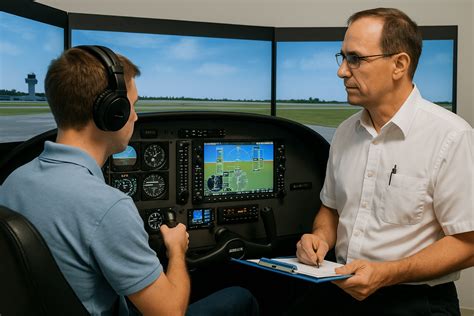
- Simulated combat environments during training exercises.
Assignments often involve deployments overseas, requiring pilots to adapt to diverse operational and environmental conditions, fostering resilience and versatility.
Challenges and Rewards of Fighter Pilot Careers
While the fighter pilot profession offers unmatched excitement and prestige, it also comes with significant challenges:
- High physical and psychological demands.
- Long periods away from home during deployments.
- Stringent performance and safety standards.
Nonetheless, the rewards are substantial, including personal fulfillment, global travel opportunities, and the honor of serving as an elite guardian of national security.
Future Outlook for Fighter Pilot Careers
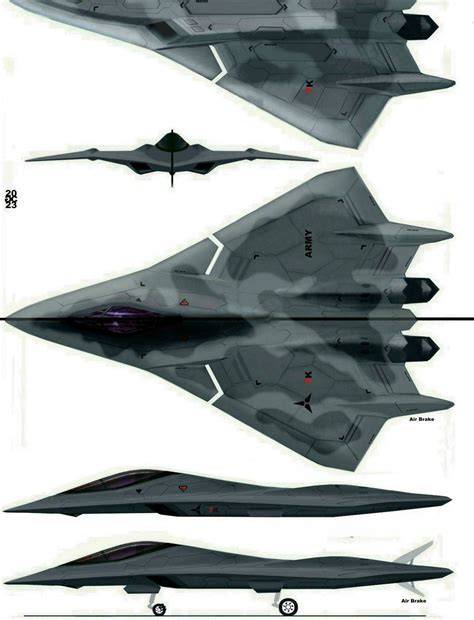
As aerial warfare technology advances, the demand for skilled fighter pilots remains robust. Developments in unmanned systems, artificial intelligence, and next-gen fighter programs like the NGAD (Next Generation Air Dominance) initiative will continue to shape fighter pilot roles. Those who continually adapt and enhance their skillsets will find abundant opportunities to thrive in this ever-evolving field.
In conclusion, fighter pilot jobs offer a thrilling, demanding, and richly rewarding career path for those willing to meet the challenge. With the right preparation, dedication, and mindset, aspiring aviators can achieve the extraordinary and join the ranks of aviation’s elite.