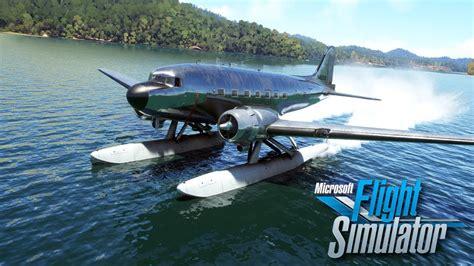
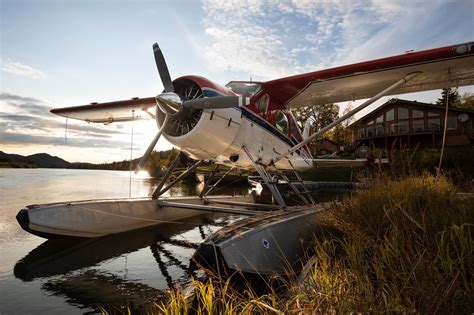
Owning and operating a float plane for recreational use is an exciting venture, allowing enthusiasts to land on pristine mountain lakes during the summer and on glaciers during the winter with skis. However, before diving into this adventure, it’s essential to understand the costs involved. Whether you’re a first-time buyer or an experienced pilot considering a float plane, there are various financial considerations that go beyond just purchasing the plane itself.
Initial Investment: The Cost of Buying a Float Plane
The initial cost of purchasing a float plane can vary significantly based on the model and condition of the aircraft. For example, a basic float plane like a Cessna 170B on amphibious floats could cost anywhere from $50,000 to $60,000. However, if you’re looking for something with more capacity or performance, such as a Cessna 180 or a Lake Amphibian, prices can easily climb to $100,000 or more. It’s important to factor in the type of float system you desire, whether amphibious or standard floats, as this will influence both the price and the plane’s versatility.
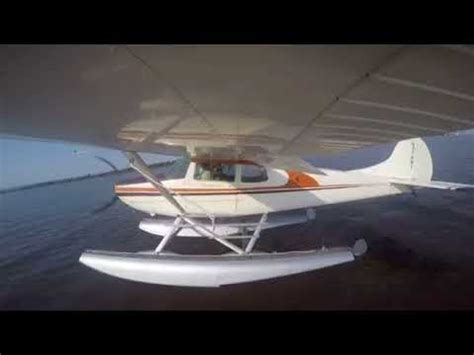
While the upfront cost of the aircraft is crucial, there are other expenses to consider, including a pre-buy inspection. A thorough inspection by a qualified floatplane mechanic, which could cost around $2,000, is highly recommended. This step ensures the plane is airworthy and can handle the demands of both land and water operations.
Training Costs: Becoming a Certified Float Plane Pilot
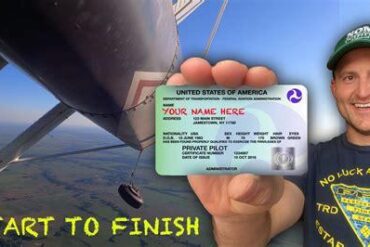
Before you can take to the skies in a float plane, you’ll need to complete comprehensive training. The Private Pilot License (PPL) is the first step, which generally costs between $10,000 and $15,000, depending on location and flight school. For example, in the Vancouver area, the cost of a PPL could range from $12,000 to $15,000, with additional taxes included.
Once you have your PPL, the next step is obtaining a seaplane rating, which typically takes about 7 hours of training and can cost around $2,600, including taxes. Keep in mind that many insurance companies require a minimum of 100 hours of flight time and at least 15 to 50 hours of dual instruction on seaplanes before they’ll insure a pilot. These additional hours are necessary to ensure safety and confidence in both land and water operations.
Ongoing Annual Costs: Maintenance, Insurance, and Fuel
Owning a float plane isn’t a one-time expense—there are several recurring costs that must be accounted for annually.
Insurance
Insurance premiums for float planes can vary based on several factors, including the pilot’s total flight hours, experience on type, and time spent flying seaplanes. For a new pilot, expect to pay around $5,000 per year for insurance. However, with more flight hours and experience, this cost can be significantly reduced. As the pilot becomes more experienced and logs more time in type, the premium could decrease considerably.
Fuel
Fuel costs are a significant part of the operating expenses for float planes. The Cessna 170B on floats, for instance, burns around 12 to 13 gallons per hour, with current avgas prices hovering around $6 per gallon. This translates to $72 to $78 per hour of flight. Depending on the frequency of your flights, fuel can become one of the highest annual operating costs.
Maintenance
Routine maintenance is another essential cost for float planes. Annual inspections, which can cost around $2,500, are necessary to ensure that the plane is in optimal working condition. Additionally, owners should budget for unexpected maintenance issues, which can add $2,000 to $3,000 annually. It’s also crucial to factor in the cost of replacing parts like wheels or floats, which may need to be switched out depending on the season.
Storage and Hangar Fees
Storage is an often-overlooked but necessary expense. Hangar fees can range from $300 to $600 per month, depending on the location and the type of storage available. If you’re in a more remote area, tie-down fees may be lower, but for those in urban locations like Vancouver, prices can climb. Expect to pay around $150 to $300 per month for an outside tie-down, and $600+ per month for a hangar space in an area like Vancouver International (CYVR).
The Total Annual Operating Costs
When factoring in all costs, the total annual operating expenses for a float plane can reach approximately $30,000 to $50,000, depending on the type of plane, frequency of use, and maintenance needs. Here’s a breakdown of typical annual expenses:
- Fuel: $12,000 to $20,000 (for regular usage)
- Insurance: $5,000 to $10,000 (varies by experience and aircraft)
- Maintenance: $5,000 to $7,000
- Hangar/Storage Fees: $3,600 to $7,200
These costs will vary based on flight frequency, the type of float plane, and the region in which you operate. It’s important to have a maintenance fund set aside for unexpected events, such as engine overhauls or major repairs.
Final Thoughts on Ownership and Operation
In summary, the cost of owning and operating a float plane for recreational use is a substantial investment, but for those who have the passion for it, the rewards can be equally rewarding. With initial costs ranging from $50,000 to $100,000 for a used float plane, along with ongoing annual expenses that can run up to $50,000, this is an endeavor that requires careful financial planning.
Ultimately, the choice of aircraft, the frequency of use, and your training and experience level will dictate the overall costs. Whether you’re planning to land on a serene mountain lake or venture out onto glaciers with skis in winter, the float plane experience is a truly unique one, offering unparalleled access to the world’s most stunning natural landscapes.