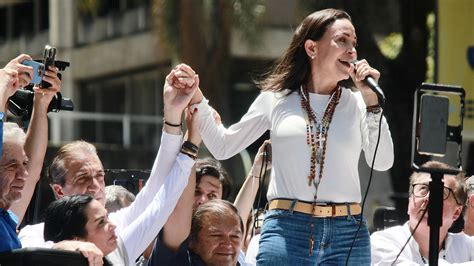
The shockwaves began in Washington and rippled outward across the hemisphere. A Nobel Peace Prize winner invoking the language of liberation while endorsing U.S. military raids against sovereign states is not a contradiction the internet easily swallows. Yet that is precisely what unfolded when Venezuelan opposition leader María Corina Machado, laureate of the 2025 Nobel Peace Prize, publicly urged the United States to extend its Venezuela-style intervention to Cuba and Nicaragua—a declaration that has since detonated outrage, fascination, and fear in equal measure.
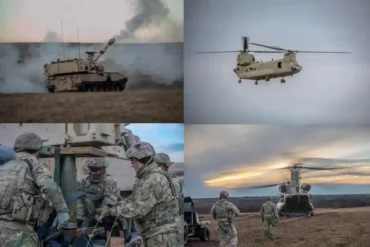
Machado’s remarks landed only weeks after Operation Absolute Resolve, the stunning U.S. night raid that removed President Nicolás Maduro from Caracas without casualties. In less than two and a half hours, nearly 150 U.S. Air Force assets—fighters, rotary-wing aircraft, and drones—penetrated Venezuelan airspace, extracted the sitting president and his wife Cilia Flores, and vanished. The audacity of the operation rewrote assumptions about modern regime change. The rhetoric that followed has forced a reckoning about where liberation ends and coercive power begins.
What has ignited the fiercest debate is not merely the feasibility of similar actions against Havana or Managua, but the moral authority of a peace laureate advocating force as a pathway to freedom. Machado’s words—“Free Cuba, free Nicaragua”—now function as a slogan, a provocation, and a warning all at once.
By framing the struggles of Venezuela, Cuba, and Nicaragua as a single ideological front, Machado has recast regional politics as a hemispheric campaign against communism, dictatorship, and anarchism. Supporters hear resolve. Critics hear hubris. The collision of these interpretations has transformed a speech into a global controversy.
A Liberation Narrative Born in Washington
Machado’s comments came during a media encounter in Washington, where she spoke with the certainty of someone convinced history has chosen its moment. She praised the U.S. action in Venezuela as a blueprint, insisting that once Caracas was “liberated,” the same resolve could—and should—be applied elsewhere. The vision she offered was sweeping: the first Americas free of communism.
That framing resonated with segments of the Venezuelan diaspora and pro-democracy activists online, many of whom celebrated the raid as poetic justice for decades of repression. On X, praise mingled with triumphalism. Yet the applause quickly met a wall of skepticism, especially when critics pointed to the irony of a Peace Prize laureate endorsing armed intervention.
The backlash was immediate and unforgiving. Influential voices accused Machado of laundering conquest through the language of freedom. Others questioned the Nobel Committee’s judgment, arguing that the prize had been transformed into a political instrument rather than a moral compass.
Operation Absolute Resolve and the New Rules of Power
The Venezuela raid altered more than leadership; it altered expectations. The operation demonstrated a capability for precision regime change that bypassed prolonged conflict. To supporters, it was a clean break from stalemated diplomacy. To critics, it was a dangerous precedent—proof that sovereignty could be overridden by speed and technology.
Beijing’s response was unequivocal, condemning the raid as a clear violation of international law and a breach of the UN Charter. Moscow echoed the charge, labeling it armed aggression and an unacceptable encroachment on sovereignty. These reactions underscored a widening rift between Western justifications of intervention and global norms that prioritize territorial integrity.
Even among U.S. allies, unease surfaced. While Maduro had long been branded a dictator, his extrajudicial removal raised alarms about legality and long-term stability. The question lingered: if Venezuela was a test case, who would be next?
Cuba in the Crosshairs
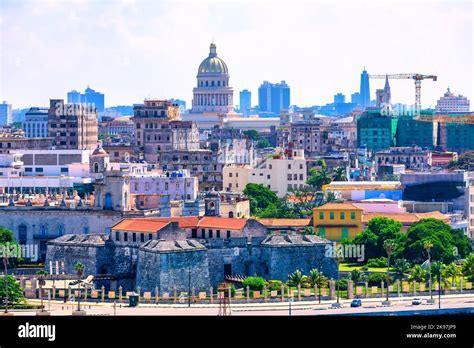
The answer, at least rhetorically, appears to be Cuba. Reporting from The Wall Street Journal revealed that the Trump administration is openly exploring regime change in Havana, seeking insiders willing to negotiate. Though no concrete plan has been disclosed, the abduction of Maduro now looms as both blueprint and warning.
President Miguel Díaz-Canel responded with defiance, asserting Cuba’s status as a free, independent, and sovereign nation prepared to defend itself “to the last drop of blood.” The language recalled Cold War brinkmanship, a reminder that the island’s political identity has long been forged in resistance to U.S. pressure.
Machado’s endorsement of extending U.S. action to Cuba has intensified fears of escalation. For many Latin American observers, the specter of external force revives memories of interventions that left enduring scars.
Nicaragua and the Hemispheric Frame
Nicaragua occupies a different but related space in Machado’s narrative. Long criticized for authoritarian drift, Managua is portrayed as part of a triad of allied regimes bound by ideology and mutual support. By linking Nicaragua to Venezuela and Cuba, Machado argues that dismantling one weakens the others.
This hemispheric framing appeals to those who see regional democratization as indivisible. Yet it also collapses nuance, flattening distinct histories into a single enemy image. Critics warn that such simplification invites one-size-fits-all interventions with unpredictable consequences.
The Nobel Prize Controversy
The controversy deepened when Machado presented her Nobel Peace Prize medal to President Donald Trump during a White House visit on January 15. The image—Trump holding a gold-framed plaque beside Machado—spread rapidly. The inscription praised Trump’s “principled and decisive action” in securing a free Venezuela.
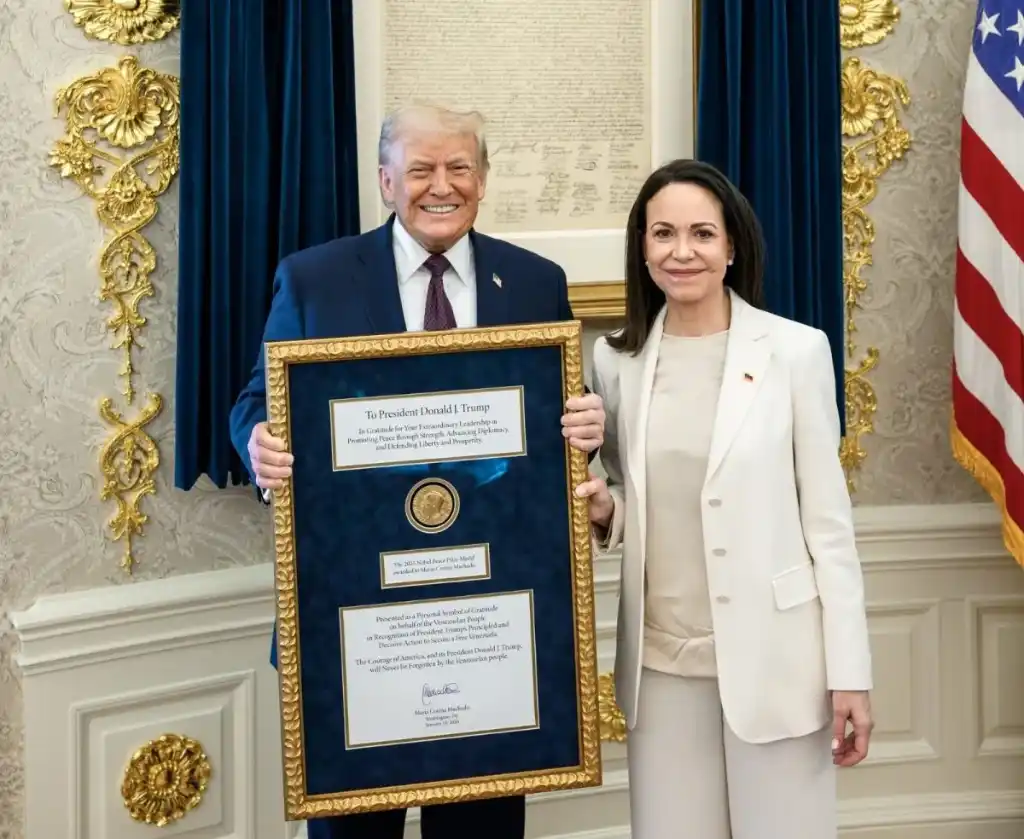
Supporters framed the gesture as gratitude on behalf of Venezuelans. Detractors saw sacrilege. Comparisons to historical episodes where laureates aligned with authoritarian power flooded social media. Journalist Ben Norton drew a sharp parallel to Knut Hamsun, the Nobel-winning author who gifted his prize to a Nazi official—an analogy that further inflamed debate.
Machado later described the handover as deeply emotional, insisting it was done in service of her country. Yet the symbolism proved inescapable. A prize intended to honor peace had become entwined with military force and political patronage.
Power, Patronage, and Political Reality
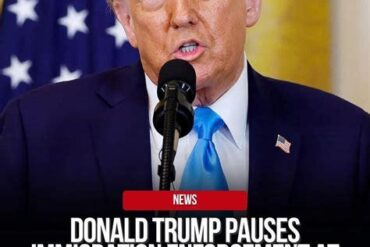
Despite the public warmth, Trump has been ambivalent about Machado’s future. When asked whether she would lead Venezuela, he dismissed the idea, suggesting she lacked sufficient domestic respect. Instead, Washington has backed Edmundo González, sidelining the very figure whose movement had mobilized mass opposition.
Former U.S. diplomat Kevin Whitaker voiced surprise at Machado’s disqualification, noting that it effectively disenfranchised a movement that had won overwhelming support. The contradiction—celebrating Machado abroad while marginalizing her politically—exposed the transactional nature of alliances forged in crisis.
In Caracas, the interim presidency of Delcy Rodríguez, a longtime Chavista figure, added another layer of complexity. Trump’s warning that she could “pay a very big price” if she defied U.S. wishes underscored the ongoing leverage Washington intends to wield.
A Hemisphere at a Crossroads
Machado’s call to “Free Cuba, Free Nicaragua” has crystallized a moment of reckoning. It forces the Americas to confront uncomfortable questions about democracy by force, the elasticity of international law, and the moral weight carried by symbolic honors like the Nobel Prize.
To some, Machado embodies courage—a leader willing to confront entrenched authoritarianism with uncompromising clarity. To others, she represents a perilous fusion of idealism and militarism, where liberation is outsourced to airpower and sovereignty becomes negotiable.
What is undeniable is that the conversation has shifted. The Venezuela raid shattered assumptions about what is possible. Machado’s words have challenged assumptions about what is acceptable. Between those two shocks lies a region recalibrating its future, aware that the line between peace and power has rarely been thinner—or more contested.