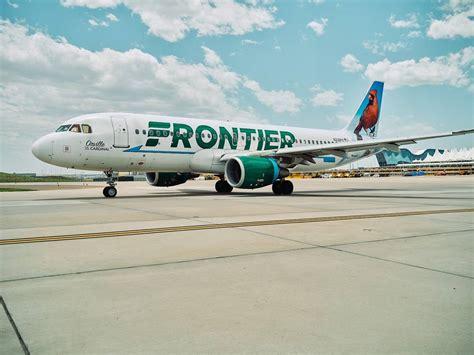
Frontier Airlines is entering a pivotal chapter in its evolution, marking a significant transformation from a no-frills ultra-low-cost carrier (ULCC) to a more diversified, customer-focused national airline. With strategic investments in onboard experience, network connectivity, and premium offerings, the Denver-based airline is steadily shedding the rigid limitations of traditional budget carriers. Instead, it is carving out a space that blends affordability with elevated service, all while maintaining its competitive pricing edge.
Expanding Footprint: A National Carrier in the Making
At the core of Frontier Airlines’ latest strategy lies its ambition to become a truly national carrier. This means more than simply flying to more destinations. It reflects a deliberate attempt to compete with the likes of Southwest, Delta, and American Airlines by increasing point-to-point connectivity across the U.S. and offering a cohesive travel experience nationwide.
As part of this broader vision, Frontier has been actively increasing the breadth of its route map, with new city pairs and a greater frequency of flights targeting underserved mid-sized markets. This expansion allows Frontier to tap into business and leisure demand simultaneously, bolstering its ability to offer affordable fares on high-demand routes that legacy airlines often dominate.
Premium Comfort Takes Flight: A New First-Class Experience
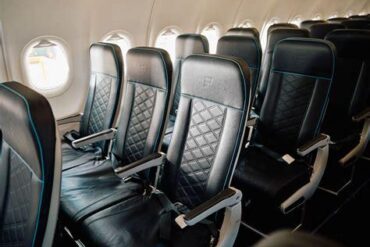
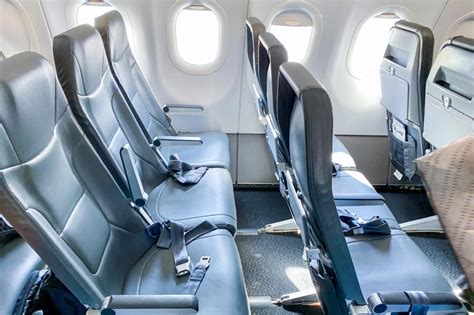
One of the most notable changes in Frontier’s reinvention is the introduction of a new premium seating class, set to be rolled out across its fleet by early 2026. These seats go well beyond the legacy-style ‘extra legroom’ offerings seen in other ULCCs. The airline is investing in ergonomically designed seating, featuring:
- Multi-density foam cushions for enhanced lumbar and spine support
- Reclining capability with improved angles for both short and long-haul comfort
- Upgraded tray tables and armrests for practical usability
- Footrests designed for natural posture alignment during flight
This move underscores Frontier’s response to a surging demand for comfort-driven flying without the bloated pricing of legacy carriers. The new seating replaces the carrier’s previous attempt at premium—blocking the middle seat in the first two rows—and instead offers a true first-class alternative at budget-friendly pricing.
Bridging the Gap Between Budget and Legacy Airlines
Frontier Airlines is keenly aware of its positioning challenge: how to offer premium experiences while preserving its low-cost DNA. Rather than chasing a full-service model, the airline is crafting a hybrid ULCC strategy, where passengers can customize their experience. The aim is to narrow the gap in customer experience between Frontier and major U.S. airlines, but without taking on their cost structures.
This refined approach is bolstered by an intentional redesign of the in-flight experience. In addition to the premium seating, the airline is actively exploring in-flight connectivity options. Though Wi-Fi is not yet a fleet-wide reality, Frontier’s leadership has confirmed the service is on its intelischedule roadmap, part of a long-term investment in connectivity infrastructure that rivals the best in the industry.
Such service upgrades cater to an evolving travel demographic: one that values affordability but also demands more control, personalization, and comfort throughout their journey.
Loyalty Reimagined: New Frontiers in Customer Retention
Parallel to its product improvements, Frontier has been refining its loyalty ecosystem, including its loyalty program tiers and co-branded credit card offerings. The redesigned structure has drawn praise for its accessibility and value proposition:
- Customers can reach Platinum status by spending only $5,000 on travel or $50,000 annually on the airline’s credit card—lower than comparable thresholds across the industry.
- The airline reports a marked increase in loyalty signups, driven by simplified milestones and rewards that align with frequent leisure and budget travelers’ expectations.
- Improved net promoter scores (NPS) suggest these changes are resonating with passengers, signaling increased brand affinity.
These loyalty enhancements do more than reward repeat travelers. They serve as a mechanism to retain value-focused customers, turning casual fliers into advocates and enabling Frontier to grow organically, especially as it looks to fill the vacuum left by its failed merger attempt with Spirit Airlines earlier in 2025.
Strategic Setback, New Opportunities: Post-Spirit Pivot
While Frontier’s ambitions to merge with Spirit Airlines were thwarted by regulatory hurdles in early 2025, the setback has not derailed its momentum. In fact, the rejection has led to a renewed emphasis on organic growth and strategic agility.
Instead of acquiring scale through mergers, Frontier is exploring interline and codeshare agreements—moves traditionally rare in the ULCC sector. These alliances would allow the airline to:
- Expand destination reach without fleet additions
- Create seamless multi-leg travel experiences
- Attract new customer segments, especially international and corporate travelers
This pivot aligns with a broader industry trend where collaborative competition is emerging as a viable route to growth without the complexity of full mergers.
Delivering More with Less: Cost Leadership Remains
Despite these enhancements, Frontier remains fiercely protective of its ultra-low-cost structure. The carrier has repeatedly emphasized that premium offerings will be add-ons, not default inclusions—ensuring passengers can still fly at ultra-low base fares if they so choose.
What differentiates Frontier in the premium push is its ability to maintain unit cost efficiency while upselling targeted services. From preferred seating to loyalty perks and future Wi-Fi access, the airline is building value-added revenue streams that don’t bloat operating costs. This model allows for a scalable path forward without undermining its core business proposition.
Looking Ahead: The Next 6–12 Months
The second half of 2025 is shaping up to be transformational. Frontier Airlines is now midway through a multi-year strategic roadmap aimed at repositioning the airline in the eyes of both consumers and competitors. Key milestones expected in the near term include:
- Completion of premium seat installations
- Launch announcements for in-flight connectivity
- Further network expansion into high-yield domestic markets
- Potential alliance or codeshare agreements with international carriers
By early 2026, executives expect that Frontier will have completed the most visible aspects of its reinvention, and by 2030, the airline aims to be perceived not merely as a budget option—but as a serious player in the U.S. domestic aviation market, with offerings for both value and experience seekers.
Conclusion: A Low-Cost Carrier No More?
Frontier Airlines’ journey toward becoming a modern national carrier is not without risks. But what sets this transformation apart is its strategic clarity and customer focus. Rather than abandoning its low-cost roots, Frontier is enhancing its identity with choice-driven value, accessibility, and comfort. From elevated seating to loyalty rewards, from future Wi-Fi offerings to aggressive network growth, the airline is not just following trends—it is actively redefining what it means to be a ULCC in America.
As consumer preferences continue to shift toward personalized, flexible travel, Frontier’s innovations may well become the blueprint for the next generation of cost-efficient yet customer-centric aviation.