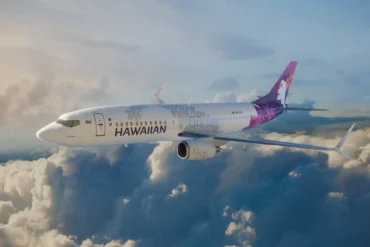
Hawaiian Airlines has spent decades perfecting a very specific promise: flights that feel like the islands before passengers ever touch down. Warm service, cultural touches, and reliable long-haul connectivity have always been its calling cards. What the airline has lacked, at least compared with global rivals, is a truly modern premium cabin strategy that matches today’s expectations for space, privacy, and digital connectivity. That gap is about to close, and passengers are already buzzing about what is coming next.
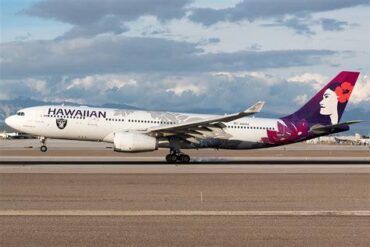
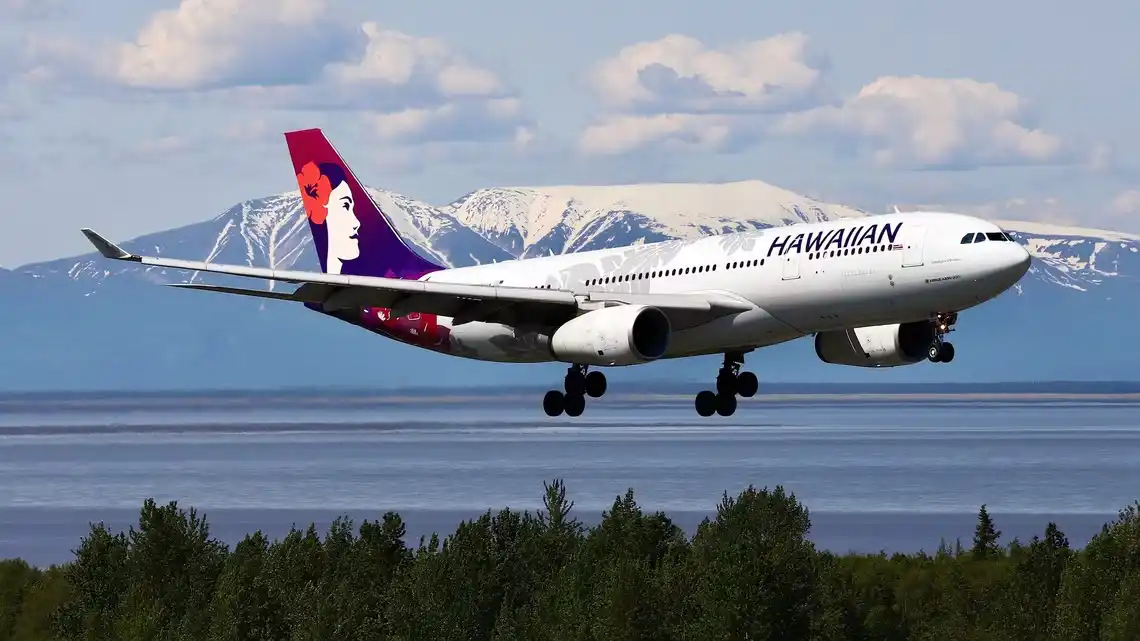
Beginning in 2028, Hawaiian Airlines will launch a comprehensive transformation of its Airbus A330 fleet, introducing the airline’s first-ever true premium economy cabin, a fully redesigned first class product, and a slate of technology upgrades that collectively represent the most ambitious onboard refresh in the carrier’s history. This is not a cosmetic update. It is a strategic reset aimed squarely at premium travelers who want comfort without losing the airline’s distinctive Aloha spirit.
For frequent flyers, the excitement centers on a simple idea: Hawaiian is finally building cabins that reflect how people actually fly long distances today. More space, more privacy, faster connectivity, and a clearer separation between economy and premium experiences are no longer optional. They are table stakes. Hawaiian’s new inflight additions suggest the airline understands that reality and is ready to compete on equal footing with major U.S. and international carriers.
By anchoring these changes to its A330 fleet, the backbone of its long-haul operations, Hawaiian is signaling confidence in the aircraft’s future and in the value of investing deeply rather than chasing short-term fixes. The result, if executed as planned, could reshape how travelers perceive Hawaiian Airlines over the next decade.
A True Premium Economy Cabin Arrives at Last
For years, Hawaiian Airlines stood out as one of the few long-haul carriers without a dedicated premium economy cabin. Instead, passengers were offered “Extra Comfort” seating, which delivered 36 inches of pitch and additional recline compared to standard economy. While appreciated, it remained unmistakably an economy-class product. The upcoming A330 overhaul changes that equation entirely.
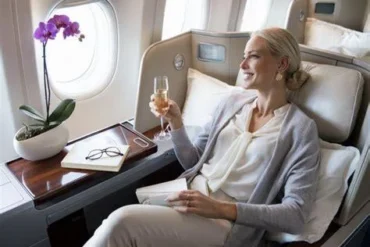
Starting in 2028, all 24 Airbus A330-200 aircraft will be retrofitted with a brand-new premium economy cabin designed to sit cleanly between economy and first class. This move aligns Hawaiian with a global trend where premium economy has become one of the fastest-growing and most profitable cabin classes. Travelers want an upgrade that feels meaningful without the price tag of business or first class, especially on long transpacific routes.
Although Hawaiian has not yet revealed the exact seat model, industry norms suggest a 2-3-2 configuration, wider seats, enhanced recline, and improved legroom that approaches domestic first class standards. Expect features like supportive cushioning, leg rests, and privacy-focused headrests, elements that transform a long flight from tolerable to genuinely comfortable. For couples and solo travelers alike, this cabin promises a quieter, more relaxed environment that feels purpose-built rather than improvised.
The introduction of premium economy also allows Hawaiian to better segment its cabin offerings. Economy travelers gain clarity, premium economy passengers gain value, and first class can evolve into a more exclusive experience. This structural change is as much about strategy as it is about comfort, and it places Hawaiian in a stronger position on competitive routes to and from the mainland and international destinations.
Reimagining First Class for the Modern Premium Traveler
While premium economy is the headline-grabber, Hawaiian’s first class redesign may prove even more transformative. Today’s A330 first class cabin features 18 lie-flat seats arranged in a dated 2-2-2 configuration, a layout that leaves many passengers without direct aisle access. In an era where privacy and convenience define premium travel, this setup has increasingly felt behind the curve.
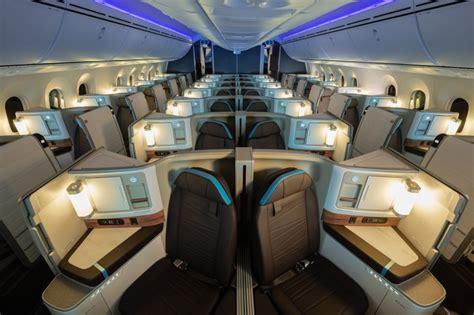
The upcoming refresh is expected to introduce new business-class-style suites inspired by the cabins found on Hawaiian’s Boeing 787-9 Dreamliners. Those aircraft feature 34 direct-aisle-access suites, each offering lie-flat beds, personal space, and a sense of enclosure that premium travelers now expect as standard. While the A330’s narrower fuselage means adjustments will be necessary, the design philosophy is clear: fewer compromises, more refinement.
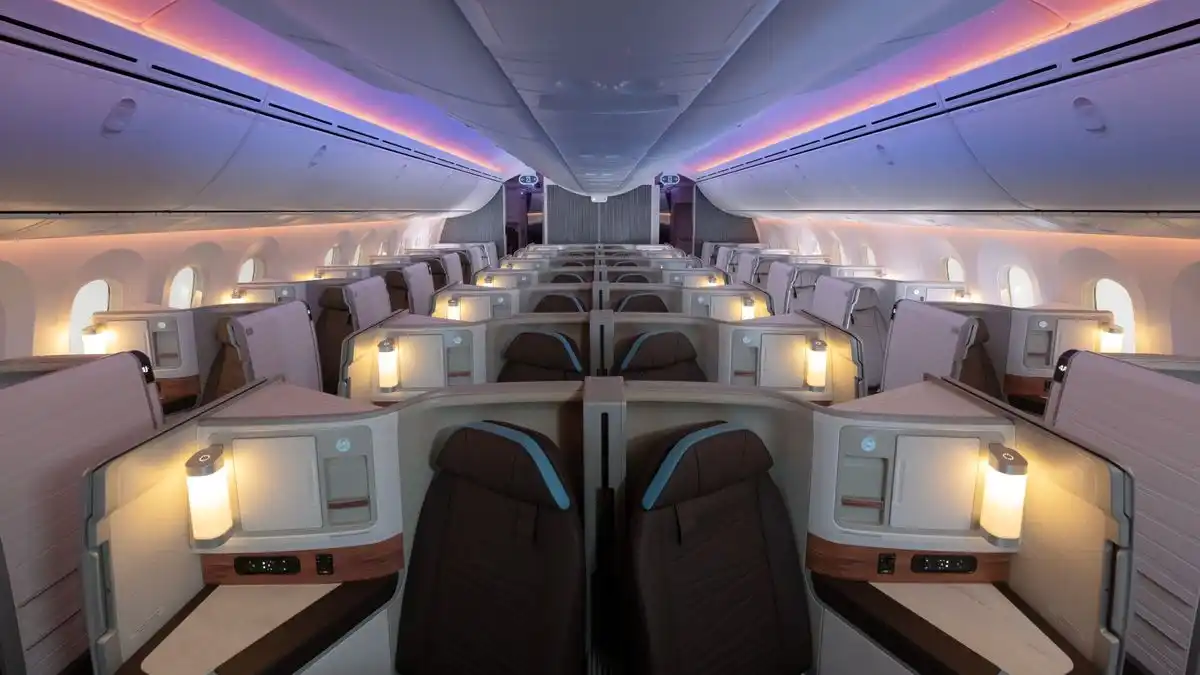
Alaska Air Group leadership has been candid about the financial rationale behind the upgrade, noting that expanding and improving the premium cabins will generate significantly more revenue over time. For passengers, that translates into a more competitive product on long-haul routes where Hawaiian previously struggled to stand out against global heavyweights.
This redesigned first class is not just about luxury for luxury’s sake. It is about choice, privacy, and consistency, qualities that define the best premium cabins worldwide. By modernizing its A330s rather than waiting for new aircraft deliveries, Hawaiian is making a decisive statement about its commitment to premium travelers in the near term.
Technology Upgrades That Change the Inflight Rhythm
Cabin comfort means little without technology that keeps pace with modern travel habits. Hawaiian Airlines has recognized this and paired its seat upgrades with a comprehensive refresh of its inflight entertainment and connectivity offerings.
As part of the A330 overhaul, passengers can expect new high-definition seatback screens with Bluetooth audio connectivity, mirroring the experience already available on the airline’s 787-9 fleet. Larger displays, sharper resolution, and wireless headphone support collectively eliminate many of the small frustrations that once defined long-haul flying.
More transformative still is Hawaiian’s adoption of Starlink-powered inflight WiFi. Rolled out beginning in 2024 and now available across the A330 and A321neo fleets, this system delivers fast, free connectivity capable of supporting streaming, remote work, and real-time communication. For an airline that historically offered no WiFi at all, the leap is dramatic. It fundamentally changes how passengers use their time onboard, especially on flights that stretch well beyond five hours.
These technology upgrades reinforce the sense that Hawaiian’s new inflight additions are designed around real-world passenger behavior. Travelers no longer see connectivity as a perk. They see it as essential. Hawaiian’s investment acknowledges that reality without hedging or half-measures.
The $600 Million Vision Behind the Cabin Changes
The A330 transformation is just one pillar of Hawaiian Airlines’ broader $600 million Kahu’ewai Hawai’i investment plan, a five-year initiative aimed at refreshing both the onboard and ground experience. The name, evoking fresh water as a life-giving resource, reflects the airline’s intention to create lasting improvements rather than short-term enhancements.
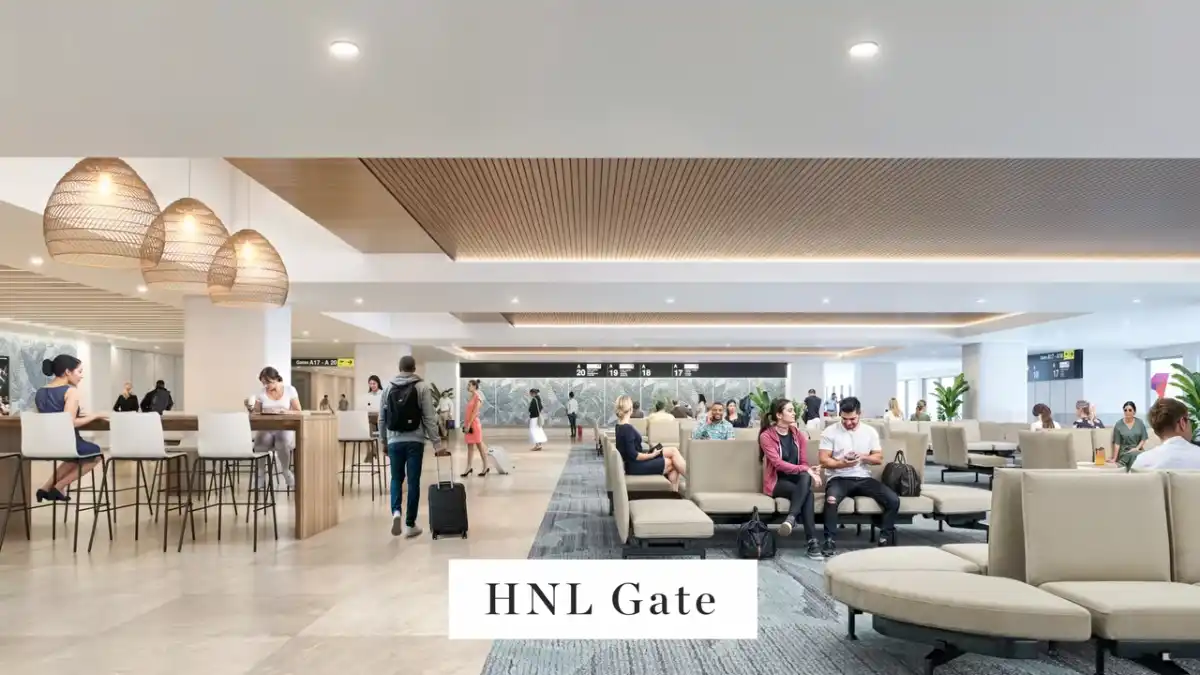
Beginning in 2026, Hawaiian will renovate facilities at Honolulu, Līhu’e, Kahului, Kona, and Hilo, reimagining lobbies and gate areas with brighter spaces, improved passenger flow, and more comfortable seating. These changes matter because the journey does not begin at the aircraft door. It begins at the airport, and Hawaiian is clearly investing in that reality.
A standout component of the plan is a new 10,600-square-foot first class lounge at Honolulu’s Daniel K. Inouye International Airport. Designed with natural light, wood accents, and native Hawaiian plants, the lounge aims to deliver a sense of place that matches the upgraded onboard experience. For premium passengers, this creates continuity from ground to air, reinforcing Hawaiian’s brand identity at every touchpoint.
Fleet Strategy and the A330’s Central Role
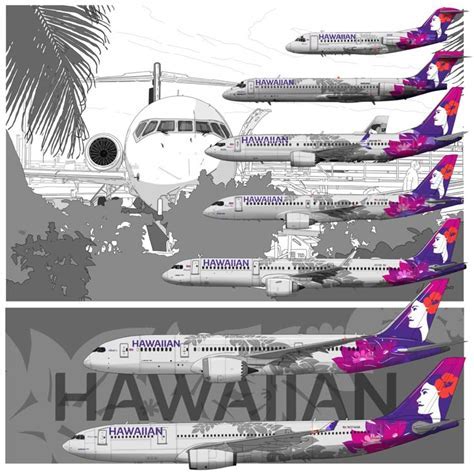
As Hawaiian enters the second half of the decade, its fleet strategy has sharpened around a clear reality: the Airbus A330 will remain the airline’s long-haul workhorse for years to come. With 24 A330-200s averaging under 13 years of age, the aircraft still offer significant operational life, making a deep retrofit both logical and cost-effective.
The transfer of Boeing 787-9 operations to Alaska Airlines following the two carriers’ merger has further cemented the A330’s importance within Hawaiian’s network. Rather than viewing this as a limitation, Hawaiian appears to be embracing it by tailoring the A330 experience to meet modern expectations head-on.
On the narrowbody side, the airline continues to operate Boeing 717s and Airbus A321neos, but it is the widebody experience that shapes Hawaiian’s reputation on long-haul routes. By focusing its investment where it matters most, Hawaiian is maximizing the return on both capital and passenger goodwill.
Why Passengers Are Already Raving
Even before the first retrofitted A330 enters service, the reaction among frequent flyers has been notably enthusiastic. The combination of true premium economy, modernized first class suites, and industry-leading WiFi addresses long-standing critiques in one coordinated move. This is not a piecemeal fix. It is a holistic redesign.
Passengers are responding to the sense that Hawaiian is listening. Long-haul travelers have been clear about what they value: space, privacy, connectivity, and a calm, well-designed environment. Hawaiian’s upcoming inflight additions check all of those boxes while preserving the cultural warmth that has always set the airline apart.
When these upgrades roll out later in the decade, the journey to and from the islands will feel fundamentally different. More comfortable, more connected, and more thoughtfully designed, Hawaiian Airlines’ next chapter suggests an airline ready to compete confidently in the premium travel space while staying true to its roots.