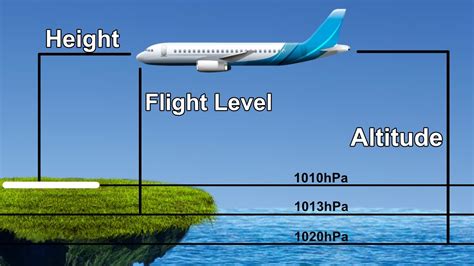
Flying at high altitudes offers significant benefits for aviation, such as reduced aerodynamic drag, increased true airspeeds, and greater tailwind advantage. However, there is a critical challenge pilots must address: the thinning air. As altitude increases, atmospheric pressure drops rapidly. By the time an aircraft reaches 18,000 feet, it has already left half of the atmosphere’s mass below. This loss of air density severely impacts engine performance in normally aspirated aircraft, resulting in reduced power and efficiency.
The High Altitude Problem: Oxygen Deprivation And Engine Power Loss
Aircraft engines rely on a balanced intake of oxygen to burn fuel efficiently and produce optimal horsepower. As air becomes less dense with altitude, the engine’s ability to generate power diminishes significantly. Without intervention, an airplane would experience substantial loss in climb capability, cruising speed, and operational ceiling.
The solution to this oxygen scarcity lies in an ingenious mechanical device: the turbocharger.
Turbochargers: Solving The Thin Air Challenge
Turbochargers empower piston-driven engines to maintain performance by compressing incoming air before it enters the cylinders. By artificially increasing the intake air pressure, engines can continue to operate as if they were still at sea level, even while soaring at elevated flight levels.
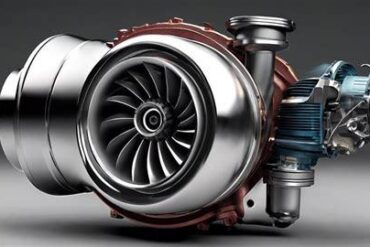
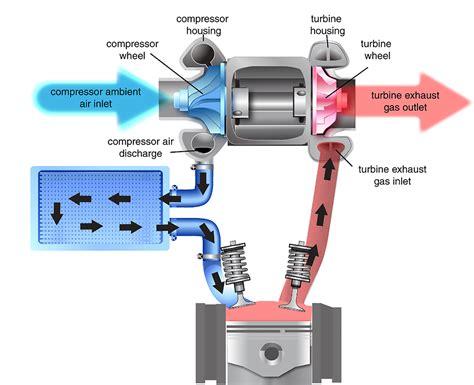
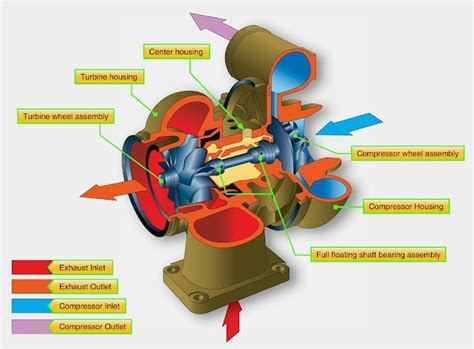
A turbocharger fundamentally consists of three interconnected components:
- Turbine
- Compressor
- Shaft linking turbine and compressor
Understanding how each part functions and interacts is key to appreciating the brilliance of turbocharging technology.
The Turbine: Harnessing Exhaust Energy
The process begins with the turbine, which is driven by the flow of exhaust gases exiting the engine. As the high-velocity exhaust passes through the exhaust manifold, it spins the turbine blades with tremendous force. The faster and more voluminous the exhaust flow, the faster the turbine rotates. This repurposing of otherwise wasted energy exemplifies the turbocharger’s efficiency.
The Shaft: Mechanical Unity Between Turbine And Compressor
A shaft physically connects the turbine to the compressor. When the turbine rotates under the influence of exhaust gases, it simultaneously spins the compressor. This direct mechanical linkage ensures that the turbocharger responds proportionally to engine output without the need for separate control mechanisms.
The Compressor: Supercharging The Air Intake
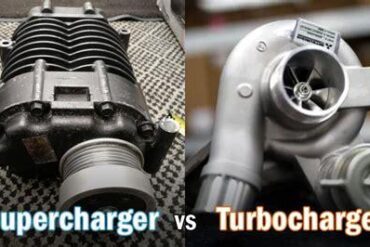
The compressor plays the pivotal role of drawing in ambient air, compacting it under pressure, and delivering it into the engine’s intake manifold. Compression dramatically increases the density of the incoming air, allowing more oxygen molecules to enter each cylinder cycle. Consequently, the engine can burn more fuel, producing greater power output despite the lower ambient pressure.
Turbochargers operate continuously once the engine is running, ensuring a dynamic response to changing engine demands and atmospheric conditions.
Managing Excess Pressure: The Role Of The Wastegate
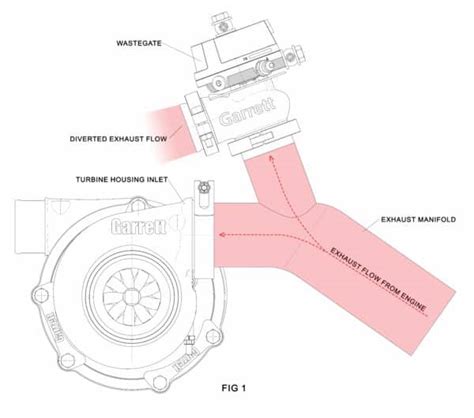
While turbochargers excel at boosting manifold pressure, they can occasionally overperform, introducing excessive air into the engine. This overboosting can be catastrophic, leading to engine damage or failure. The system’s safeguard is a device known as a wastegate.
A wastegate controls the amount of exhaust gas that flows over the turbine. When excess pressure builds, the wastegate opens to divert some exhaust away from the turbine, slowing its rotation and thus reducing the compressor speed. Wastegates can be either automatic or manually operated by the pilot, but their function remains universally vital: maintaining optimal manifold pressure within safe operational limits.
Types Of Turbocharging: Altitude Turbocharging Vs. Ground Boosting
Not all turbocharged systems serve the same purpose. There are two primary approaches depending on performance goals:
Altitude Turbocharging (“Normalizing”)
Altitude turbocharging focuses on keeping the engine operating at near-sea-level manifold pressures—typically between 29-30 inches of mercury—as long as possible during climb. Once the turbocharger reaches its maximum capacity, at a point called the critical altitude, it can no longer maintain full manifold pressure. Beyond this altitude, engine power gradually decreases, but still remains significantly higher than that of an unassisted engine.
This design dramatically extends an aircraft’s operational ceiling and enhances high-altitude cruising capabilities.
Ground Boosting
Ground-boosted turbochargers operate at higher-than-sea-level pressures, typically between 31-45 inches of mercury. The goal here is to generate even more horsepower by packing denser air into the engine. Although ground boosting can unleash exceptional power gains, it also comes with increased thermal stress, which brings about its own set of engineering challenges.
Heat: The Persistent Problem Of Turbochargers
Compressing air inevitably raises its temperature—a byproduct governed by thermodynamics. For aircraft engines, which already operate under high thermal loads, the introduction of superheated intake air can be detrimental. Elevated intake temperatures reduce engine efficiency, increase detonation risk, and strain internal components.
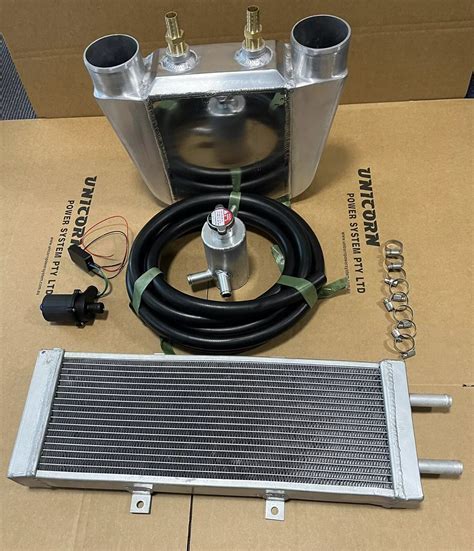
To mitigate this, many turbocharged systems incorporate an intercooler. An intercooler acts as a specialized heat exchanger, cooling the compressed air before it enters the cylinders. This cooling process preserves engine integrity, improves power consistency, and enhances overall operational longevity.
The Ultimate Advantage: High Altitude Mastery
Turbochargers have revolutionized piston-engine aviation by unlocking the flight levels once reserved for turbine-powered aircraft. The benefits of climbing into thinner air include:
- Higher True Airspeeds: Lower drag at high altitudes allows faster travel for the same power setting.
- Stronger Tailwinds: Access to the jet stream and other high-altitude wind patterns can drastically shorten flight times.
- Enhanced Fuel Efficiency: Operating at optimal cruise settings reduces overall fuel burn per mile.
- Improved Weather Avoidance: Climbing above weather systems grants safer, smoother flight experiences.
While the addition of a turbocharger increases system complexity and maintenance requirements, the trade-offs are often justified by the significant performance gains.
Conclusion: Engineering Excellence At Its Best
Turbochargers exemplify the ingenious application of mechanical engineering principles to solve one of aviation’s most daunting challenges: oxygen scarcity at altitude. By recycling exhaust energy to compress intake air, turbochargers empower piston engines to reach new heights, achieve better speeds, and enhance operational versatility. As pilots harness the power of turbocharged systems, they tap into a legacy of innovation that continues to shape the future of aviation.