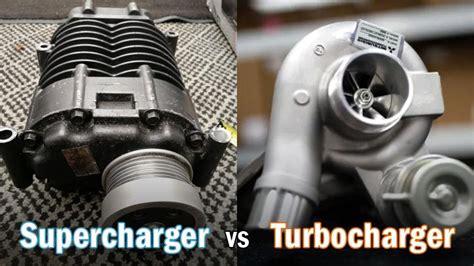
When it comes to increasing engine performance at altitude, few modifications rival the impact of forced induction. In the world of aviation, turbochargers and superchargers both serve the same end goal—enhancing engine power by compressing intake air. However, the mechanisms, advantages, and limitations of each system differ significantly. We explore these differences in detail to determine which system truly offers superior performance under varying flight conditions.
Turbocharger: Harnessing Exhaust for Altitude Power
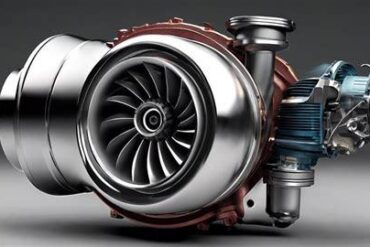
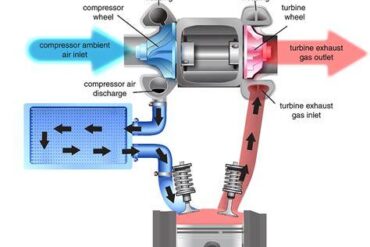
A turbocharger operates by utilizing the exhaust gases produced by the engine to drive a turbine, which in turn compresses the intake air before it enters the combustion chamber. This allows for a denser air-fuel mixture and more efficient combustion, especially at higher altitudes where air density is significantly reduced.
The key benefit of this system is that it leverages otherwise wasted energy—exhaust gases—to create additional power without drawing energy directly from the engine’s mechanical components.
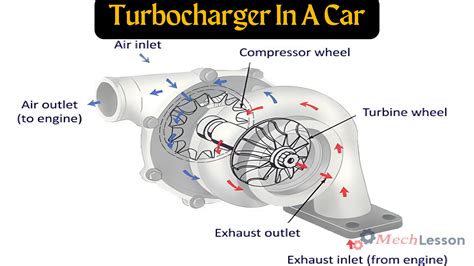
The modern turbocharger often features a wastegate, which controls turbine speed by diverting some of the exhaust flow away from the turbine wheel. This feature not only improves power control but also enhances overall engine efficiency.
Supercharger: Crankshaft-Driven Boost Without Delay
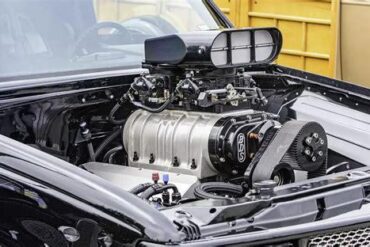
Unlike a turbocharger, a supercharger is directly connected to the engine’s crankshaft via a belt or chain. This connection means the supercharger’s compressor begins spinning the moment the engine does, delivering instant boost pressure and eliminating the characteristic turbo lag.
Because it is mechanically driven, the supercharger performs predictably and reliably across all RPM ranges, especially at lower altitudes and during takeoff and climb phases, where immediate response can be critical.
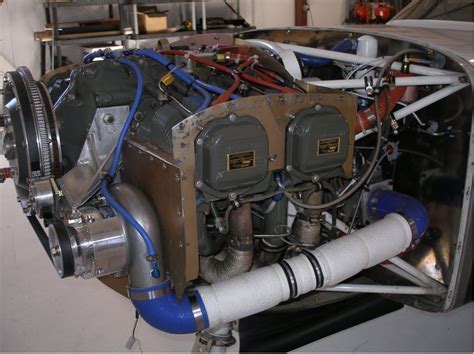
However, this responsiveness comes at a cost. The energy needed to run a supercharger is siphoned from the engine itself, reducing overall fuel efficiency and creating additional mechanical strain.
Turbochargers: Pros and Limitations
Advantages:
- Fuel-efficient: Uses exhaust gases instead of engine power.
- Lighter weight: Generally has fewer moving parts than a supercharger system.
- Altitude performance: Maintains sea-level power at higher altitudes.
- Tunable: Boost levels can be managed via wastegate adjustments.
Drawbacks:
- Turbo lag: Delayed response due to turbine spin-up time.
- Heat management: Requires additional cooling due to hot exhaust gases.
- Surge risk: Rapid throttle changes can cause intake pressure spikes.
- Less effective at idle: Minimal boost at low RPM or idle settings.
Superchargers: Strengths and Weak Points
Advantages:
- Instant power: No lag, immediate throttle response.
- Low RPM boost: Effective across all engine speeds.
- Cooler operation: Generally operates at lower temperatures.
- Mechanical simplicity: Easier to service and maintain in some cases.
Drawbacks:
- Power draw: Decreases net engine power by using crankshaft energy.
- Lower efficiency: More fuel required to produce similar power.
- Component wear: Belts, pulleys, and gears introduce more wear points.
- Altitude limitations: Not as effective as turbochargers above 10,000 feet.
Altitude Performance and Efficiency: Turbochargers Take the Lead
Aircraft performance diminishes rapidly with altitude due to lower air density. Here, the turbocharger shines. Its ability to compress thin high-altitude air and sustain near sea-level power gives turbocharged aircraft a significant advantage in terms of climb rate, cruise speed, and fuel economy during cross-country operations.
Superchargers, while helpful during takeoff and initial climb, often max out in boost at lower altitudes. Their mechanically-driven design limits their ability to compensate for the severe atmospheric thinning above 12,000 feet. Pilots flying over mountainous terrain or engaging in high-altitude cruising will benefit significantly more from a turbocharged setup.

Maintenance, Complexity, and Reliability
From a maintenance standpoint, superchargers are generally simpler to inspect and repair due to their mechanical nature. Belts and pulleys are familiar to most aviation mechanics and tend to require fewer specialized tools. However, this simplicity comes with more frequent service intervals, especially if the supercharger operates under high load.
Turbochargers, while more complex due to their reliance on exhaust pressure, are increasingly becoming more reliable thanks to advancements in high-temperature alloys and automated wastegate systems. They do, however, require careful monitoring of turbine temperature, oil lubrication, and manifold pressure to ensure long-term reliability.
Historical Usage: WWII and the Evolution of Boost Systems
During World War II, superchargers dominated the battlefield skies. Aircraft like the P-51 Mustang and Spitfire employed multi-stage, gear-driven superchargers to achieve superior performance in aerial combat. This preference was largely due to the metallurgical limitations of the era; materials capable of withstanding high turbo temperatures were scarce, and fuel economy was a minor concern during wartime.
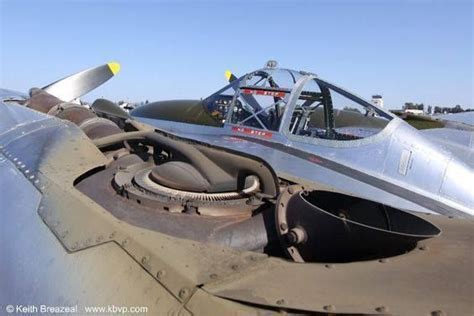
As aviation progressed, fuel efficiency, altitude performance, and thermal tolerance became more important in commercial and general aviation. Turbochargers evolved with better materials and control systems, quickly eclipsing superchargers in nearly all modern aircraft applications.
Cost Considerations and Installation Factors
In terms of initial installation cost, superchargers are often more affordable, particularly in experimental or homebuilt aircraft. Their off-the-shelf components and lack of exhaust integration make them easier to install. However, over the lifespan of the engine, the higher fuel consumption and mechanical wear can make them more costly to operate.
Turbochargers, while more expensive upfront due to their complexity and the need for exhaust re-routing, often prove more cost-effective in the long run. Better fuel economy at cruise and higher performance margins justify the initial investment, especially for pilots flying in high-density altitude regions or on frequent long-distance flights.
Pilot Experience and Operational Considerations
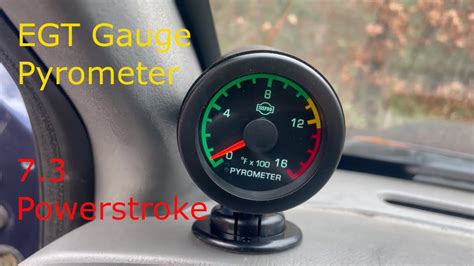
Flying a turbocharged aircraft requires some training and finesse. Pilots must learn to manage manifold pressure, throttle settings, and exhaust gas temperature (EGT) to prevent overboost and avoid detonation. Modern turbos have eased this process with automatic wastegates and digital engine monitors, but the margin for error still exists.
Superchargers, being mechanically linked, offer a more predictable throttle response and fewer parameters to monitor. This makes them a favorable choice for newer pilots or for missions that prioritize simplicity and responsiveness over altitude capability.
Final Verdict: Application Determines the Winner
Both turbochargers and superchargers offer significant advantages when chosen for the right application. For pilots operating in high-altitude environments, looking to maximize cruise performance, or flying long distances where fuel efficiency matters, turbochargers clearly stand out.
Conversely, if low altitude operations, instant throttle response, and maintenance simplicity are the top priorities—especially in budget-limited or training scenarios—then the supercharger becomes a practical and effective choice.
Ultimately, the decision lies not in which technology is objectively better, but in how well it aligns with the mission profile, aircraft type, and pilot skill level. With advances continuing in both technologies, modern aviation offers tailored solutions for nearly every operational need.