
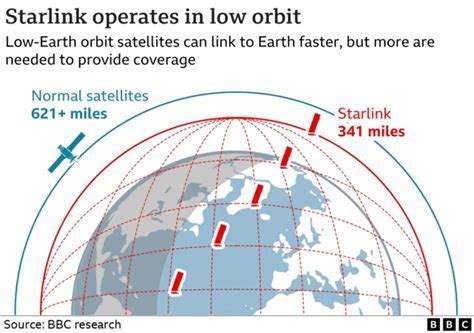
Starlink has rapidly become a game-changer in satellite internet technology, especially for those in rural, remote, or mobile living environments. Unlike traditional satellite internet providers, Starlink leverages a constellation of low Earth orbit (LEO) satellites to deliver faster speeds, lower latency, and broader coverage. But the key question remains: how reliable is Starlink compared to fiber, DSL, or other alternatives?
In this detailed analysis, we evaluate Starlink’s uptime performance, user experiences, environmental impacts, and technical reliability to provide a complete perspective on whether it truly lives up to the hype.

Starlink Reliability Overview
Reliability in internet services is typically measured by uptime percentage, latency, speed stability, and resilience under external conditions. Traditional fiber networks boast near-perfect uptime, often 99.99%, but their availability is limited by infrastructure. Starlink, on the other hand, is accessible in places where terrestrial broadband cannot reach.
Users across North America, Europe, and parts of Asia have reported consistent uptime of 98%–99%, making Starlink one of the most dependable satellite internet providers in the market. For many remote households, off-grid YouTubers, and digital nomads, it is the only service capable of delivering reliable, high-speed internet.
Factors That Affect Starlink Reliability
1. Weather Conditions
One of the most common questions about Starlink reliability relates to its performance in poor weather. Heavy rain, snowstorms, or dense cloud coverage can interfere with the communication link between the dish and orbiting satellites. While the degradation is usually minor, severe snow accumulation can cause noticeable disruptions.
To combat this, Starlink dishes are equipped with “snow melt mode”, an automatic heating feature designed to prevent snow buildup. When enabled, this feature ensures the dish continues operating during winter storms.
2. Obstructions and Dish Placement
Trees, tall buildings, or mountains can block the dish’s line of sight to satellites. For optimal performance, users must mount the dish in a location with a clear 100°+ sky view. The Starlink mobile app includes a built-in obstruction-checking tool that helps users map out the best installation point.
3. Power Outages
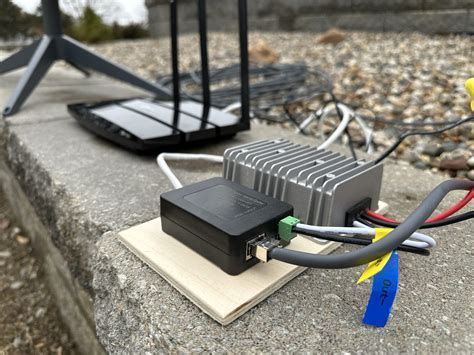
While fiber and cable providers usually rely on local grid resilience, Starlink requires a constant power supply to function. The standard dish consumes about 44 watts under normal operation and more when heating. Users who depend on Starlink for critical connectivity often invest in backup batteries or portable power stations, allowing up to 10–12 hours of continuous service during outages.
4. Network Congestion
As Starlink’s subscriber base grows, some regions may experience network congestion during peak hours. Reports from users in the U.S. Midwest and parts of Europe indicate occasional speed drops in the evenings, though latency typically remains stable.

Real-World Experiences With Starlink Reliability
Several first-hand accounts demonstrate the service’s practical reliability:
- Western Canada user: Reported only 3–4 outages in over two years, with the longest lasting about an hour.
- YouTuber DISHYtech: Cited an uptime exceeding 99%, even during continuous content uploads.
- Off-grid channel Oak Abode: Compared Starlink reliability as being “on par with fiber cable internet.”
- Snowstead (Canada): Experienced minor disruptions during storms but noted overall strong dependability after trimming trees to reduce obstructions.
These real-world testimonials emphasize that while Starlink is not flawless, it has achieved a reliability standard rarely seen in satellite-based systems.

Technical Improvements in Starlink Reliability
Starlink continues to refine its technology, and upgrades play a central role in enhancing service stability.
- Gen 2 Dish: Offers a 35% wider field of view, enabling connections to more satellites at any given time.
- Improved Thermal Performance: Handles extreme temperatures better, delivering 3x faster downloads in hot climates compared to the original kit.
- Expanded Satellite Network: With over 6,000 active satellites in orbit as of 2025, Starlink has reduced coverage gaps and increased bandwidth capacity.

Comparison: Starlink vs Traditional Internet
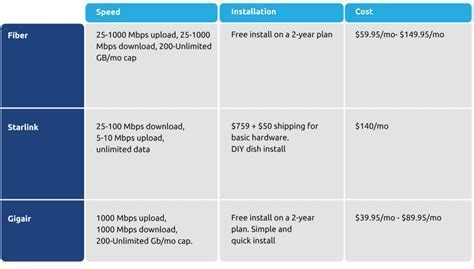
The following table highlights how Starlink’s reliability compares to other common internet types:
| Service Type | Typical Uptime | Latency (ms) | Weather Impact | Availability | Power Dependency | Data Throttling |
|---|---|---|---|---|---|---|
| Fiber Internet | 99.99% | 10–20 | Minimal | Limited to urban/suburban | Grid-tied | Rare |
| Cable Internet | 99.9% | 15–40 | Minimal | Broad coverage | Grid-tied | Occasional |
| DSL | 98% | 40–100 | Minimal | Wide coverage | Grid-tied | Common |
| Traditional Satellite | 95–97% | 600–800 | High | Rural & remote | Dish powered | Frequent |
| Starlink | 98–99% | 20–50 | Moderate | Global rural/remote | Dish powered (44W avg) | Rare |
This comparison clearly shows that Starlink bridges the gap between traditional broadband and satellite internet, offering reliability close to fiber where infrastructure does not exist.
Tips for Maximizing Starlink Reliability
- Install in Clear Sky View – Use the Starlink app to detect obstructions before finalizing placement.
- Enable Snow Melt Mode – Essential in regions prone to heavy snow to prevent signal interruptions.
- Invest in Backup Power – A small solar-powered generator or battery backup can keep Starlink running during outages.
- Keep Firmware Updated – Regular software updates improve dish performance and satellite switching efficiency.
- Consider Gen 2 Dish – Users in hot or cold climates should upgrade for enhanced stability.
By applying these measures, users can maintain near-fiber reliability even in the most remote settings.
Starlink delivers remarkable reliability for satellite internet, consistently achieving 98–99% uptime, with latency levels that support remote work, streaming, and video calls. While factors such as severe weather, obstructions, and power outages can cause disruptions, these issues are manageable with proper installation and backup solutions.
For rural households, digital nomads, and off-grid lifestyles, Starlink stands as the most reliable alternative to terrestrial broadband. Though not a perfect replacement for fiber, it provides a dependable and practical solution where traditional networks cannot reach.
FAQs About Starlink Reliability
Is Starlink reliable enough for remote work?
Yes. With average uptime near 99% and latency between 20–50 ms, Starlink is reliable for Zoom calls, VPN connections, and cloud-based tasks. Many remote workers have successfully transitioned to Starlink as their primary internet source.
Does Starlink work during heavy storms?
Performance can drop during heavy rain or snow, but the dish’s snow melt mode helps reduce interruptions. Light weather changes usually have little to no impact on connectivity.
How does Starlink compare to fiber internet?
Fiber still provides higher reliability and lower latency. However, in areas without fiber infrastructure, Starlink is the closest equivalent, offering broadband-like speeds and availability almost anywhere on the globe.