
For people living beyond the reach of fiber lines and cable networks, Starlink has shifted the conversation about what “reliable internet” really means. Instead of accepting sluggish DSL speeds or unstable legacy satellite services, users are now connecting through a growing constellation of low-Earth-orbit satellites designed to deliver faster speeds and lower latency almost anywhere. Since its public rollout, Starlink has been tested not in lab conditions, but in forests, deserts, mountains, and farms where connectivity used to be an everyday struggle.
What makes Starlink especially compelling is not marketing claims, but years of accumulated user experience. With millions of active terminals worldwide, real patterns have emerged around uptime, consistency, and performance during normal daily use. Reliability, in this context, is not about perfection. It is about whether the connection holds up during video calls, online classes, streaming nights, and multiplayer gaming sessions when alternatives simply cannot.
For many rural households, the first noticeable difference is stability. Where older satellite connections suffered from severe latency spikes and frequent dropouts, Starlink’s low-orbit design dramatically reduces delay. This architectural change alone reshapes how the internet feels, making it usable rather than merely accessible. Users consistently report that everyday tasks finally feel normal, not compromised by geography.
Real-World Reliability: What Long-Term Users Report
Across user forums and long-term discussions, a clear theme appears: Starlink is reliable most of the time, with occasional short interruptions. Many subscribers who have relied on the service for two or more years describe only a handful of outages, often lasting mere minutes. These brief disruptions typically occur during satellite handoffs or network updates rather than prolonged system failures.
What stands out is comparison. Users rarely judge Starlink against ideal fiber connections in major cities. Instead, they compare it to what they had before. Against DSL lines that dropped daily or older satellite services with seconds-long latency, Starlink feels transformative. Even when outages occur, they are generally short enough to avoid breaking work sessions or online meetings entirely.
Another frequently mentioned improvement is consistent latency under load. While ping times may not match urban fiber networks, they remain stable enough for voice calls, cloud applications, and competitive online gaming. Households with multiple users streaming or working simultaneously often report that performance degrades gracefully rather than collapsing under pressure.
Installation Quality Directly Impacts Stability
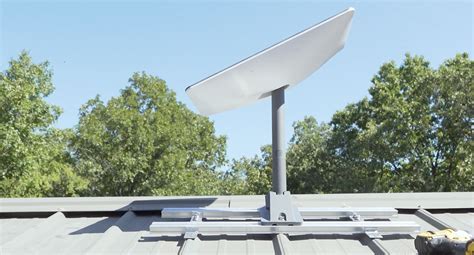
Starlink’s reliability is not automatic. Installation quality plays a decisive role in long-term performance. The dish requires a clear, unobstructed view of the sky to maintain continuous satellite contact. Trees, rooflines, and nearby structures can cause brief signal losses that compound into noticeable interruptions, particularly during activities that require steady connectivity.
Starlink addresses this challenge with a built-in obstruction scanning tool in its mobile app. Users can map potential interference before mounting the dish, reducing trial and error. Many experienced subscribers recommend roof mounts or elevated poles to minimize seasonal changes like tree growth or snowfall that might otherwise degrade performance over time.
When properly installed, users often describe Starlink as “set and forget.” Once aligned with an open sky, the system automatically tracks satellites without manual adjustment. This hands-off operation is frequently cited as a major reliability advantage over older satellite setups that required fine tuning or frequent resets.
Weather, Environment, and the Reality of Satellite Internet
Despite its strengths, Starlink is still subject to environmental realities. Heavy rain, snowstorms, or dense cloud cover can introduce brief slowdowns or dropouts. However, most users note that these interruptions are far less severe than expected and often comparable to weather-related issues affecting terrestrial networks.
Snow accumulation on the dish is mitigated by built-in heating features, allowing it to melt buildup automatically. Wind and storms rarely cause complete outages unless paired with obstructions or power loss. In practice, weather-related disruptions tend to be temporary and predictable rather than random or frequent.

Peak Hours and Network Congestion
Reliability does not always equal speed. Even with perfect installation and clear skies, network congestion during peak hours can affect performance. In densely subscribed regions, download speeds may dip in the evening when many users are streaming or gaming simultaneously.
Users generally report that these slowdowns impact large downloads more than real-time activities. Video calls, browsing, and streaming often remain stable, albeit at slightly reduced quality. This distinction matters, because it reinforces Starlink’s role as a dependable daily connection rather than a guaranteed high-speed solution at all hours.
Importantly, ongoing satellite launches continue to expand network capacity. Many long-term users have observed gradual improvements over time, suggesting that congestion is not a fixed limitation but a transitional challenge as coverage scales.
Who Starlink Reliability Is Actually For
Starlink is not designed to replace premium fiber connections in urban centers. Its reliability shines where choices are limited. For rural residents, remote workers, travelers, and off-grid households, Starlink often represents the most stable option available.
The service enables activities that were once impractical or impossible in remote areas. From real-time collaboration to online education and high-definition streaming, users consistently describe a sense of digital inclusion that traditional infrastructure failed to deliver.

The Bottom Line on Starlink Reliability
Starlink’s reliability is best understood as consistent, functional, and steadily improving rather than flawless. Short outages happen, speeds fluctuate, and environmental factors matter. Yet for its intended audience, the service delivers something rare: dependable internet where none existed before.
User experiences suggest that when installed correctly and used within realistic expectations, Starlink provides a level of stability that fundamentally changes daily life. It does not eliminate every connectivity issue, but it replaces chronic failure with manageable imperfection. For millions of users, that difference is everything.