The Millennium Falcon is more than just a spacecraft—it is a cinematic legend, a rugged symbol of rebellion, and one of the most recognizable vehicles in science fiction history. Yet beneath its futuristic hull lies a surprisingly grounded origin. The Falcon’s distinctive cockpit design draws direct inspiration from a real-world engineering marvel: the Boeing B-29 Superfortress, a World War II bomber that redefined aerial warfare with its scale, complexity, and technological ambition.
This connection between a mid-20th-century warplane and a galaxy far, far away reveals how practical engineering and historical design can echo across genres, shaping the visual language of storytelling in unexpected ways.
The Boeing B-29 Superfortress: Engineering Powerhouse of World War II
The B-29 Superfortress stood at the cutting edge of aviation when it entered service in the early 1940s. Designed by Boeing, it was one of the most advanced and expensive military aircraft ever built during the war, with nearly 4,000 units produced between 1943 and 1946. Its development cost was so immense that it surpassed even the Manhattan Project by a significant margin, underscoring the strategic importance placed on air superiority.
What set the B-29 apart was not just its size, but its pressurized cabins, remote-controlled gun turrets, and a level of onboard technology that bordered on revolutionary for its time. It played a pivotal role in major operations, including the atomic bomb missions over Hiroshima, cementing its place in history as both a technological triumph and a sobering symbol of warfare.
A Cockpit That Bridged Two Worlds
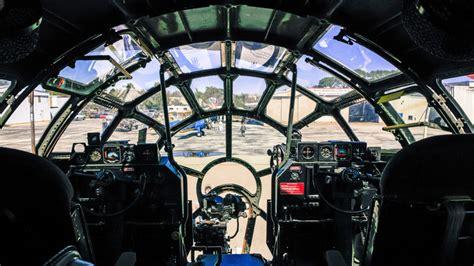
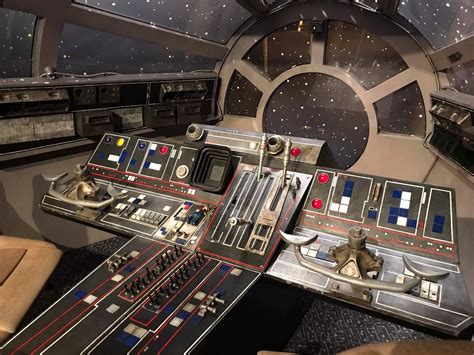
The most striking parallel between the B-29 and the Millennium Falcon lies in the cockpit architecture. The Falcon’s offset, tubular cockpit module—jutting out from the main hull—mirrors the rounded, protruding cockpit cone of the B-29. This wasn’t coincidence; it was a deliberate design decision influenced by real aviation structures.
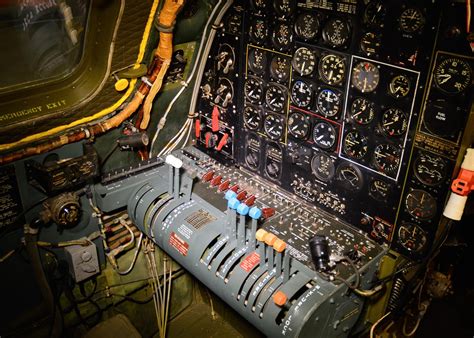
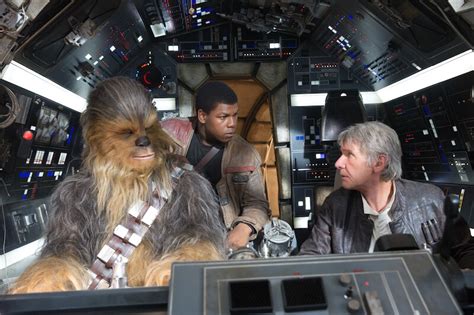
Inside the Falcon, the dense arrangement of switches, toggles, and analog controls closely resembles the tactile environment of a WWII bomber. The production team behind Star Wars famously incorporated authentic aircraft components into the set design, giving the cockpit a lived-in, functional feel that modern CGI often struggles to replicate.
This design philosophy made the Falcon feel believable. Instead of a sterile, futuristic interface, it became a working machine, one that required skill, instinct, and a bit of luck—qualities embodied by Han Solo himself.
Targeting Systems and Tactical Inspiration
Beyond aesthetics, the B-29 also influenced how the Falcon’s systems were portrayed in action. The bomber featured an early analog computer system that calculated firing trajectories for its remote turrets. Operators used a tracking mechanism to follow targets, while onboard systems adjusted for speed, distance, and environmental variables.
This concept translates seamlessly into the Falcon’s gunner stations, where characters like Luke Skywalker engage enemy fighters using tracking reticles and manual targeting controls. The visual similarity is uncanny—rotating sights, guided targeting, and the sense of mechanical feedback all echo the B-29’s turret operation system.
The result is a cinematic experience grounded in real-world logic, where even fantastical dogfights carry a sense of authenticity rooted in historical technology.
George Lucas and the Art of Borrowed Realism
George Lucas built the Star Wars universe on a foundation of borrowed realism. Rather than inventing everything from scratch, he and his team drew heavily from military hardware, industrial design, and everyday objects. The Millennium Falcon’s cockpit is one of the clearest examples of this approach.
Interestingly, early concept notes referenced a similarity to the B-52 Stratofortress, but this is widely considered a mistake. The B-52’s cockpit layout differs significantly, lacking the rounded, forward-projecting structure that defines both the B-29 and the Falcon.
This blending of influences extended across the entire franchise. From blasters modeled after real firearms to spacecraft inspired by street lamps and World War I biplanes, the design ethos of Star Wars thrives on reimagining the familiar.
Why the B-29 Influence Still Matters Today
The enduring appeal of the Millennium Falcon’s cockpit lies in its tactile realism. In an era increasingly dominated by sleek digital interfaces, the Falcon remains a celebration of mechanical complexity—a place where every switch feels purposeful and every lever suggests history.
The B-29’s influence ensures that the Falcon is not just visually interesting, but emotionally convincing. It feels like a machine that has been repaired, modified, and pushed to its limits over countless missions. That authenticity resonates with audiences, grounding the fantasy in something tangible.
Ultimately, the connection between the Boeing B-29 Superfortress and the Millennium Falcon is a testament to the power of design continuity. It shows how innovation in one era can inspire creativity in another, transforming instruments of war into icons of storytelling.
The next time the Falcon jumps to hyperspace, it carries with it not just fictional heroes, but the legacy of a real aircraft that once changed the course of history.