Understanding the Role of an Aircraft Parts Broker
The aircraft parts broker occupies a niche yet critically important role within the global aviation supply chain. This profession revolves around the sourcing, procurement, and resale of aircraft components — often from surplus inventories, retired aircraft, or government/military programs — and reselling them to aviation operators, MROs (Maintenance, Repair, and Overhaul organizations), and airlines across the globe.
Unlike traditional suppliers, a broker does not typically own inventory but acts as an intermediary with deep market insight, negotiation skills, and technical product knowledge. The key differentiator is the ability to track down rare or urgent parts and deliver them within stringent aviation compliance frameworks. The role demands not only a sharp business acumen but also a solid understanding of aviation regulations and supply protocols.
Legal Foundations: Certifications, Licenses, and Compliance
To enter the aircraft parts brokerage industry, one must first lay a firm legal and regulatory foundation. Operating within the aerospace industry requires strict adherence to airworthiness and traceability regulations, often dictated by national authorities such as the Federal Aviation Administration (FAA) in the U.S. or the European Union Aviation Safety Agency (EASA) in Europe.
We strongly recommend beginning with:
- Business registration within your operating jurisdiction.
- Product liability insurance to mitigate risks associated with defective or misrepresented parts.
- Legal counsel experienced in aerospace compliance to draft contracts, disclaimers, and non-circumvention agreements.
Furthermore, aspiring brokers must understand and adhere to export control laws like ITAR (International Traffic in Arms Regulations) and EAR (Export Administration Regulations), especially when trading in military surplus or dual-use items.
Building Supplier Networks and Government Contacts
The core value of an aircraft parts broker lies in the depth and reach of their sourcing network. Some of the most profitable brokers leverage relationships with:
- Airlines retiring older fleets, offering large batches of used yet serviceable parts.
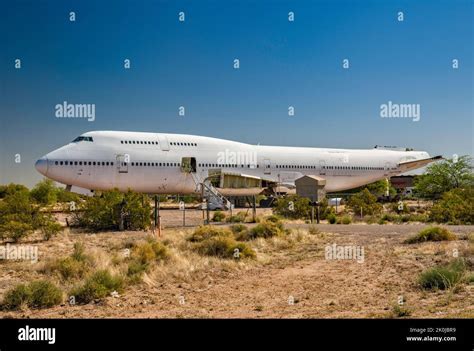
- Military surplus programs, such as the U.S. Defense Logistics Agency (DLA) or similar entities abroad.
- Foreign airlines or aircraft dismantlers, often overlooked by domestic buyers.
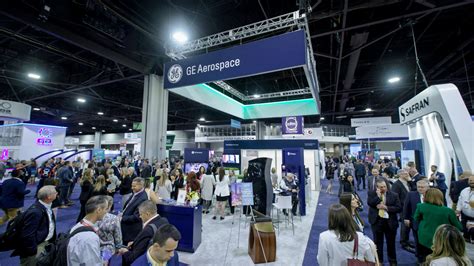
Establishing these channels requires persistent outreach, attending international aviation expos, trade fairs, and parts auctions. One must also be adept at navigating procurement portals and bid platforms for government asset sales, such as GovPlanet, GSA Auctions, or DLA Disposition Services.
Traceability, Airworthiness, and Documentation
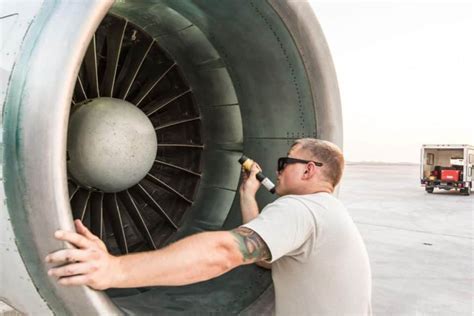
In aviation, traceability is king. Every part transacted must be accompanied by valid documentation that certifies its origin, usage history, and airworthiness. Typical documents include:
- FAA Form 8130-3 or EASA Form 1.
- Certificates of Conformance (CoC).
- Non-Incident Statements and Removal Tags from approved sources.
As brokers, we must vet our sources carefully. Selling an untraceable or counterfeit part not only destroys credibility but can result in criminal liability if safety is compromised. Partnering with FAA-certified repair stations or distributors can strengthen your documentation chain.
Capital, Margins, and Initial Investment
Unlike many inventory-heavy businesses, aircraft parts brokering can begin with minimal physical stock. However, working capital is still essential. Funds are needed to:
- Secure parts temporarily until resale.
- Pay shipping, insurance, and import/export duties.
- Invest in industry-standard ERP systems like Quantum Control or AMOS for inventory management.
Initial investment levels vary depending on whether the broker chooses to buy-and-hold inventory or operate strictly on a just-in-time basis. Conservative startup estimates range from $25,000 to $100,000, depending on scale.
Sales Channels, CRM, and Online Marketplaces
Establishing an effective digital footprint is critical in the aircraft parts resale business. Top-performing brokers often operate across multiple digital channels:
- Proprietary websites with part lookup functions.
- Listing services such as PartsBase, ILS (Inventory Locator Service), and OneAero.
- Direct B2B outreach using platforms like LinkedIn, Aviation Week Marketplace, and JetNet.
A high-quality CRM system is vital to manage client relationships and repeat business. Brokers must track client preferences, fleet types, urgent requests, and procurement cycles. Reputation — built over months of reliability — plays a greater role than aggressive sales tactics in this industry.
Risk Management and Insurance Considerations
The high-stakes nature of aviation means every transaction carries considerable risk. From misidentified parts to improperly stored components or delays in urgent AOG (Aircraft on Ground) situations, brokers can face lawsuits, loss of contracts, and regulatory scrutiny.
Comprehensive insurance coverage should include:
- Errors and omissions (E&O) insurance.
- Product liability.
- Cargo and transit coverage.
Additionally, ensuring that all purchase agreements include clear disclaimers, inspection windows, and dispute resolution clauses will reduce exposure.
Mentorship, Learning, and Industry Communities
Aircraft parts brokering is not a trade learned in formal classrooms. Instead, knowledge is often passed from experienced professionals to newcomers. Many successful brokers began by:
- Working under established brokers or repair stations.
- Participating in aviation forums such as Elsmar Cove, PPRuNe, or Airliners.net.
- Attending certification courses offered by ASA (Aviation Suppliers Association).
Finding a mentor is invaluable. Several industry veterans are open to guidance exchanges, especially if the newcomer brings business experience or foreign market access.
International Trading: Opportunities and Challenges
Aircraft parts are a global commodity. Yet, international trading introduces additional complexities such as:
- Customs regulations and Harmonized Tariff Codes.
- Export restrictions and embargoes.
- Currency conversion and trade finance.
Success in cross-border trading often comes from developing regional expertise. For example, a broker with connections in the Middle East can specialize in legacy Boeing 737 parts still widely used there, while another might focus on Russian or Chinese airframes for specific government clients.
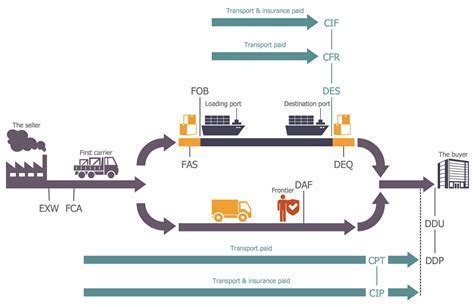
Establishing trusted freight forwarders, customs brokers, and international banking relationships becomes vital for seamless cross-border operations.
Scaling the Business: From Solo Broker to Full Operation
Once a broker has consistent deal flow, scaling requires:
- Hiring former aviation technicians for parts evaluation.
- Creating inside sales teams for outbound communication.
- Expanding into rotable and consumable parts.
- Exploring exchange agreements or consignment models.
A sophisticated broker operation includes a quality management system (QMS) in line with AS9120 or ASA-100 standards. Certification opens doors to larger airline contracts and improves perceived trustworthiness.

FAQ
What qualifications do I need to become an aircraft parts broker?
While there is no formal license for becoming a broker, success in this field requires a combination of business acumen, aviation knowledge, and regulatory compliance expertise. A background in logistics, aircraft maintenance, or international trade can provide a strong foundation. Additionally, certifications from organizations like ASA help build credibility.
How do aircraft brokers source parts from the military or government?
Brokers often monitor and bid on surplus sales from government entities like the U.S. Defense Logistics Agency, GSA Auctions, or foreign equivalents. Registering as a government vendor and understanding bidding procedures is crucial. Often, these parts require re-certification before resale.
Is the aircraft parts brokerage business profitable?
Yes, but only for those who understand the risks, regulations, and relationship dynamics. Margins can be high on rare or urgent parts, especially during AOG events. However, success depends on deep market knowledge, rapid response times, and reputation for reliability.