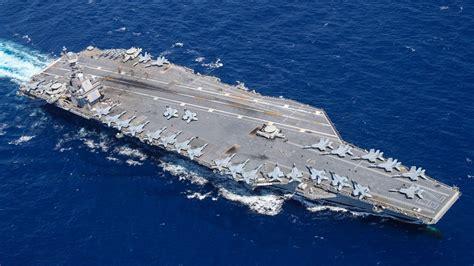
The quiet arrival of 3D-printed components aboard U.S. aircraft carriers marks a deeper shift in how naval power is built, maintained, and sustained at sea. These floating cities, among the most complex machines ever constructed, have traditionally depended on vast industrial supply chains that stretch across continents and decades. Additive manufacturing is now compressing that sprawl into something faster, leaner, and far more adaptablech more resilient.
For years, public imagination associated 3D printing with plastic novelties and garage-level experimentation. That image no longer applies. Inside the U.S. Navy, additive manufacturing has matured into a mission-critical production method, capable of fabricating metal parts measured in hundreds of kilograms and certified for use on nuclear-powered warships. The change is not cosmetic; it is operational.
Aircraft carriers are uniquely vulnerable to delays. A single missing valve, manifold, or pump component can idle a ship worth billions of dollars. Traditional manufacturing often means waiting months for specialized suppliers to deliver one custom part. By printing components directly, either at shipyards or forward locations, the Navy is reclaiming control over time itself, the most precious resource in modern warfare.
This shift is happening alongside mounting pressure on naval readiness. Post-pandemic supply disruptions, skilled labor shortages, and ballooning shipbuilding costs have forced Navy planners to rethink assumptions that once felt immovable. Speed, flexibility, and redundancy are no longer abstract goals; they are survival traits for a fleet expected to operate continuously in contested waters.
From Experimental Tech to Fleet-Ready Hardware
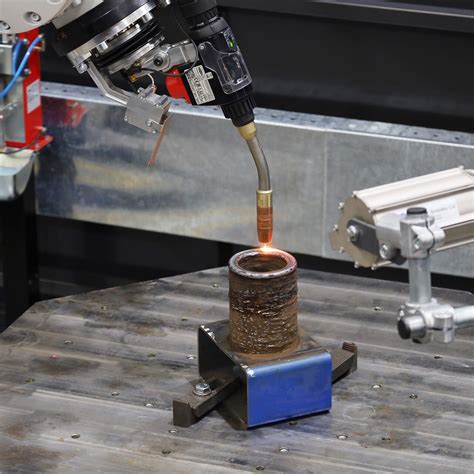
Within naval engineering circles, 3D printing is referred to as additive manufacturing, a term that reflects its industrial seriousness. Instead of cutting material away, metal is deposited layer by layer with extreme precision, often using laser-based processes like direct energy deposition. The result is not a prototype but a certified, load-bearing component designed to survive heat, pressure, vibration, and combat stress.
The Naval Sea Systems Command has become the nerve center of this transformation. Its engineers have overseen the qualification of printed parts ranging from copper drains on Virginia-class submarines to large valve manifolds on Ford-class carriers. These are not peripheral items. They sit deep within propulsion, cooling, and fluid distribution systems that keep a carrier alive.
During construction of the USS Enterprise (CVN-80), shipbuilder HII installed a nearly 1,000-pound 3D-printed manifold responsible for routing fluids throughout the ship. Producing this part conventionally would have required complex tooling, multiple suppliers, and long lead times. Printing it reduced production complexity while meeting all structural and safety requirements.
Why Time Matters More Than Cost at Sea
While cost savings are substantial, time is the Navy’s real currency. Additive manufacturing has demonstrated lead-time reductions of up to 70 percent, a figure that reshapes planning assumptions across the fleet. When a carrier or destroyer is sidelined for repairs, the strategic cost extends far beyond the ship itself, affecting deployment schedules, deterrence posture, and alliance commitments.
One documented case involved a pump rotor for an Arleigh Burke-class destroyer. By printing the part rather than sourcing it traditionally, the Navy shortened repair time dramatically and avoided more than $300,000 in expenses. Multiply that scenario across hundreds of vessels and thousands of components, and the strategic impact becomes obvious.
Equally important is location. Additive manufacturing allows parts to be produced closer to where ships operate, reducing dependence on vulnerable logistics routes. In a high-end conflict, this ability to fabricate replacements without waiting for distant factories could mean the difference between a carrier remaining operational or being forced out of theater.
Redefining Naval Industry and Allied Production
The embrace of 3D printing is also reshaping how the Navy collaborates with allies. Shared digital part libraries allow trusted partners in the United Kingdom and Australia to produce identical components under common standards. This distributed manufacturing model strengthens alliances while increasing overall fleet resilience.
Instead of shipping heavy parts across oceans, the Navy can now transmit encrypted design files. That shift reduces transport risk and accelerates repairs during joint operations. It also creates a shared industrial language among allied navies, aligning maintenance practices and technical standards in ways that were previously difficult to achieve.
This approach fits neatly into broader defense strategy. Modern naval power depends not just on platforms, but on the ability to sustain them under pressure. Additive manufacturing transforms sustainment from a bottleneck into a competitive advantage, one measured in days instead of months.
The Long View of a Shorter Build Cycle
Skeptics sometimes argue that 3D printing remains an immature technology. The Navy’s actions suggest otherwise. By certifying printed parts for nuclear carriers and submarines, it has effectively declared additive manufacturing fleet-ready. The goal is not novelty, but predictability, shaving years off construction timelines that have historically stretched far beyond original plans.
The USS Enterprise is scheduled to launch in 2030, after years of delay. Every printed component installed today represents a lesson learned, a bottleneck removed, and a future schedule protected. In an era where naval competition is intensifying, that matters.
Aircraft carriers will always be marvels of industrial complexity. What has changed is the method behind that complexity. By turning digital designs into physical reality with unprecedented speed, the Navy is ensuring that its most powerful ships remain not just symbols of strength, but practically unstoppable instruments of readiness.