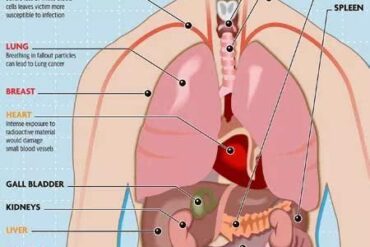
Understanding how to measure radiation and radioactivity is essential in fields ranging from healthcare to nuclear energy, environmental monitoring, and emergency response. As we explore this topic, we will outline the scientific principles, detection methods, instrumentation, and measurement units that underpin radiation and radioactivity assessment. These insights are critical to ensuring radiation safety, regulatory compliance, and public health.
Radiation, fundamentally, is energy in transit, while radioactivity refers to the rate at which unstable atoms decay, emitting this energy in the form of particles or electromagnetic waves. Measuring these phenomena requires specialized instruments and a sound understanding of nuclear physics, as the mere presence of radioactive material does not necessarily equate to a high radiation dose.
What is Radiation and How Do We Quantify It?
We measure radiation by evaluating two key concepts: radiation dose rate and radiation dose. The dose rate quantifies how much radiation is present in the environment at a given time, while the dose measures how much of this radiation is actually absorbed by matter — often the human body.
Radioactivity, in contrast, measures the quantity of radioactive atoms and the frequency at which they decay. It’s not about the mass or volume of the material but the energy it emits over time. This is why a small amount of a highly radioactive isotope can be more hazardous than a large amount of a mildly radioactive one.
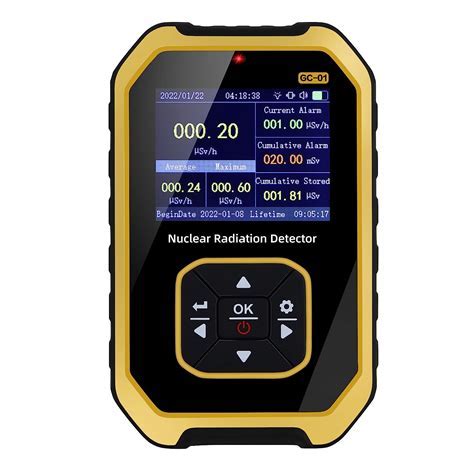
Key Units and Their Significance
Internationally, scientists use becquerel (Bq) for radioactivity, gray (Gy) for absorbed dose, and sievert (Sv) for biological dose equivalent. In the United States, traditional units include the curie (Ci) for activity, rad for absorbed dose, and rem for biological effect.
- 1 Bq = 1 disintegration per second
- 1 Ci = 37 billion Bq (very large unit)
- 1 Gy = 100 rad
- 1 Sv = 100 rem
When comparing doses, remember that 1 Sv equals 1 joule of radiation energy absorbed per kilogram of tissue, adjusted for the type of radiation and biological impact. This makes sieverts a crucial unit in medical and occupational safety applications.
Instruments Used to Measure Radiation and Radioactivity
Precision is key in radiation measurement. The choice of instrument depends on the radiation type and the measurement objective.
Measuring Radioactivity: Counting Atomic Decays
To quantify how many radioactive atoms decay each second, we use instruments like:
- Geiger-Mueller (GM) counters: Popular for general-purpose radioactivity detection. They can detect alpha, beta, and gamma emissions, although their efficiency varies.
- Scintillation counters: These provide greater sensitivity, especially for low-energy radiation.
- Portal monitors: Deployed in public spaces like hospitals or transportation hubs. They are excellent for detecting surface contamination and screening individuals.
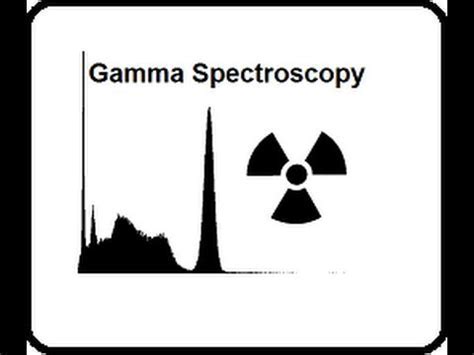
- Gamma spectroscopy systems: Used in laboratories to precisely identify radionuclides in environmental or biological samples.
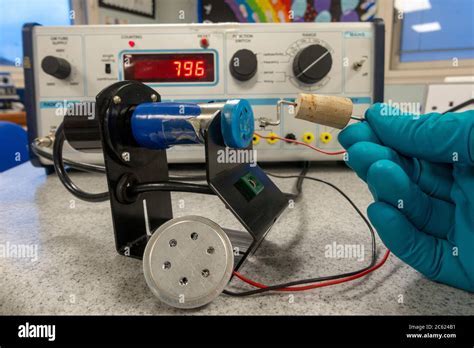
Measuring Dose Rate: Real-Time Exposure Levels
For environmental and occupational exposure monitoring, we rely on:
- Pressurized ionization chambers: The gold standard for measuring ambient dose rates. They are especially accurate for high-energy gamma radiation.
- Thermoluminescent dosimeters (TLDs): Capture cumulative exposure and require lab analysis.
- Electronic personal dosimeters (EPDs): Offer real-time monitoring and alert features, making them ideal for first responders.
Units used to express dose rate include:
- Gy/h, Sv/h (international)
- R/h, rem/h (U.S.)
Measuring Absorbed Dose: Internal and External Exposure
Radiation dose is assessed through instruments that measure energy deposition in tissue:
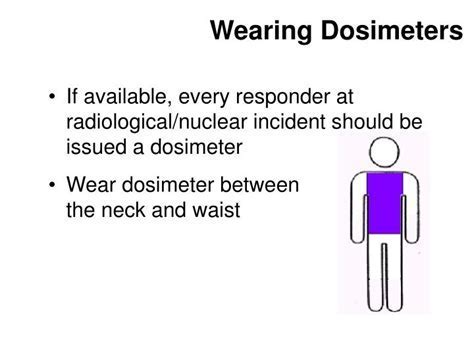
- Dosimeters: These may be passive (such as film badges) or active (real-time alarming dosimeters).
- Whole-body counters: Measure internal contamination by detecting gamma radiation emitted from within the body.
- In vitro counting systems: Analyze biological samples to detect isotopic traces post-exposure.
Putting Radiation Dose Into Perspective
The average annual dose from natural background radiation is about 3 millisieverts (mSv). This can double when factoring in medical imaging and other human-made sources. Yet, exposure levels vary significantly by location and lifestyle:
- Higher altitudes result in increased cosmic radiation.
- Radon gas can seep from the ground into homes, especially in areas with granite geology.
- Medical diagnostics, including X-rays and CT scans, can contribute anywhere from 0.1 to over 10 mSv in a single procedure.
- Nuclear medicine treatments may cause patients to temporarily emit radiation.
These factors underscore the need for personalized assessment tools that reflect real-time risk and cumulative exposure.
Challenges in Measuring Radiation Accurately
Radiation measurement is complicated by the type of particle emitted (alpha, beta, gamma), its energy level, and the medium through which it travels. For instance, alpha particles can be stopped by a sheet of paper, yet pose serious risks if inhaled. Gamma rays, in contrast, require dense shielding and travel great distances, making them harder to block.
Calibration and maintenance of detection instruments are vital. Even the best devices can deliver skewed readings if they’re not properly maintained or if environmental variables—such as humidity or electromagnetic interference—aren’t accounted for.
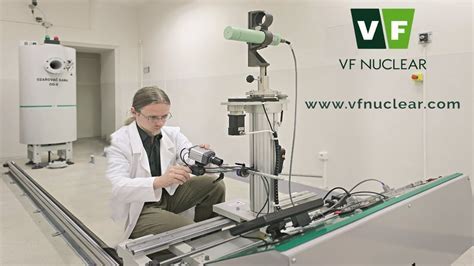
Advanced Techniques and Modern Applications
Modern nuclear safety relies heavily on digital tools and automation. Remote radiation sensing systems, used in nuclear plants, provide continuous data streams and enable automated shutoff protocols in case of leaks. Wearable smart dosimeters can now integrate with mobile apps, offering cloud-based exposure tracking.
In research and diagnostics, liquid scintillation counters and gamma spectrometers provide precise isotope quantification. These tools are indispensable in fields such as nuclear forensics, environmental monitoring, and cancer treatment planning.
Safety Protocols and Regulatory Oversight
In regulated environments such as hospitals, nuclear reactors, or research facilities, radiation measurements are essential to comply with exposure limits set by agencies like the Nuclear Regulatory Commission (NRC) or International Commission on Radiological Protection (ICRP).
Radiation workers typically wear personal dosimeters and undergo periodic monitoring. Alarms, interlocks, and area monitors are part of standard safety systems. Accurate measurements ensure compliance with maximum permissible doses:
- 20 mSv/year for occupational exposure (ICRP)
- 1 mSv/year for public exposure
Special procedures are required when exposures exceed these limits, including immediate reporting, decontamination, and possibly medical surveillance.
Conclusion: Precision is Power in Radiation Measurement
Understanding how radiation and radioactivity are measured enables us to mitigate risks, ensure regulatory compliance, and protect lives. From Geiger counters to gamma spectrometers, every tool plays a specific role in quantifying what cannot be seen but can have significant health impacts.
With technological advances and better public awareness, radiation measurement continues to evolve, supporting safer medical diagnostics, more efficient energy use, and stronger emergency response frameworks. Accurate, real-time radiation data is not just a scientific necessity — it’s a societal imperative.