When most people think of nuclear danger, they imagine explosions, mushroom clouds, and cities reduced to ashes. But the most insidious threat of nuclear radiation doesn’t come with sound or fury—it infiltrates the human body silently, changing it from the inside out. Radiation exposure from nuclear disasters, weapon detonation, or even prolonged medical treatments can initiate a cascade of damage at the molecular level, leading to immediate illness or long-term health deterioration.
Radiation: The Silent Intruder in the Human Body
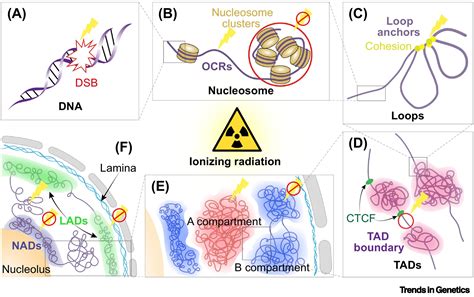
Ionizing radiation, the kind released during nuclear incidents, tears through human biology by disrupting atoms. This atomic chaos begins when radiation hits human tissue, causing electrons to be ripped from atoms and molecules. These high-energy particles break DNA strands, mutate genes, and distort the very blueprint of life.
Unlike physical trauma, which is often visible and treatable, radiation-induced damage happens on the cellular level, and its effects may remain hidden for years. DNA breaks may be repaired improperly, giving rise to mutations. Proteins—essential for almost every biological function—unfold or degrade. Once cells are damaged, they may either die or continue operating in dangerous, mutated forms.
Why Children Are the Most Vulnerable
Radiation affects tissues that are metabolically active—the ones where cells divide and replicate the fastest. In the case of children, whose bodies are in a state of rapid growth and development, this makes them particularly vulnerable. When radiation disrupts cellular replication, children face a heightened risk of genetic mutation, birth defects, and cancers.
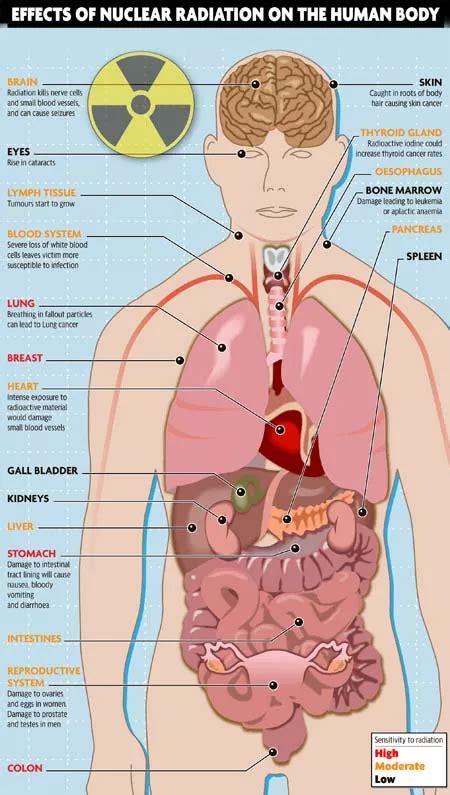
The bone marrow, responsible for producing the body’s blood cells, is often one of the first casualties. When white blood cell production is compromised, the immune system weakens, making even minor infections potentially fatal. Radiation-damaged marrow can also result in anemia, hemophilia, and chronic fatigue.
Meanwhile, the lining of the gastrointestinal tract, another area of rapid cell division, becomes susceptible to peeling and degradation. This leads to nausea, vomiting, diarrhea, and dehydration, symptoms that often appear within hours or days of high-dose exposure.
Radiation That Stays Inside: The Trouble with Radioactive Particles
One of the more terrifying aspects of nuclear radiation is that some radioactive elements don’t just pass through the body—they settle inside it, continuing to irradiate from within. When radioactive particles are inhaled or ingested, they can embed themselves in tissues and irradiate the body for years.
- Cesium-137 mimics potassium and gets absorbed into muscles and soft tissue.
- Strontium-90 behaves like calcium and is absorbed into bones.
- Iodine-131 targets the thyroid gland, especially dangerous for children.
These radioactive isotopes don’t simply pass through like smoke. They linger in the bloodstream, integrate into the body’s tissues, and continue to cause damage long after the initial exposure. The cumulative radiation emitted by these particles increases the risk of cancer, organ failure, and genetic defects.
Acute Radiation Syndrome: When Exposure Is Sudden and Severe
High doses of nuclear radiation can result in Acute Radiation Syndrome (ARS), which manifests in a predictable pattern. Victims first experience nausea, fatigue, headaches, and confusion. As hours pass, the symptoms worsen—vomiting, diarrhea, skin burns, and neurological dysfunction. In the most severe cases, death can occur within days due to complete bone marrow collapse or organ failure.
Radiation burns are not like thermal burns. They result from cellular death at deeper layers of the skin, and the damage may continue to evolve even days after exposure. Hair loss, skin blistering, and internal bleeding are all common in ARS. In the most tragic cases, individuals appear fine immediately after exposure, only to collapse later as their internal systems disintegrate.
Nuclear Accidents: Humanity’s Harshest Lessons
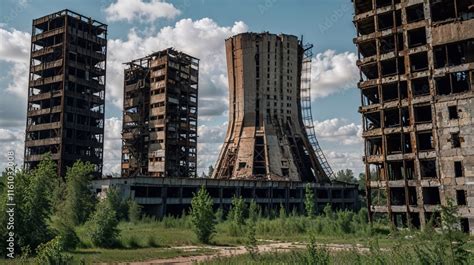
The world didn’t come to understand the long-term effects of radiation through controlled lab experiments—it learned through disasters. Chernobyl in 1986, Fukushima Daiichi in 2011, and earlier events like Three Mile Island provided tragic insight into how nuclear fallout corrupts ecosystems and destroys lives.
In the wake of Chernobyl, radioactive iodine contaminated food supplies, especially milk, leading to a surge in thyroid cancer cases among children in Ukraine and Belarus. Fukushima’s radiation, meanwhile, flowed with ocean currents, spreading contamination to distant shores and marine life.
Entire towns were evacuated, some forever. Families were displaced, and thousands were diagnosed with radiation-induced conditions. These disasters taught the world how persistent radiation is—it doesn’t dissipate like smoke or gas; it settles, embeds, and mutates.
Medical Advancements and Preventive Measures
Radiation also has a place in modern medicine—used in X-rays, CT scans, and cancer treatments. But these uses involve controlled doses, with rigorous safety protocols. In the aftermath of nuclear incidents, medicine has adapted:
- Potassium iodide pills are now distributed near nuclear plants to block radioactive iodine from entering the thyroid.
- Radiation detectors and emergency response systems have become more advanced.
- Decontamination procedures and radiation therapies are continuously evolving.
However, even with all the progress, we still can’t predict individual outcomes. Why do some people develop cancer after low-dose exposure while others don’t? Genetics, overall health, and random cellular events all play a role.
The Unsolved Mysteries of Low-Level Exposure
Despite decades of study, science has not unraveled every thread in the story of radiation’s effects on the human body. One of the biggest unanswered questions is: what is the cumulative danger of low-level, long-term exposure? Some believe chronic exposure—even to small amounts—can lead to genetic mutations over generations.
Two individuals exposed to the same radiation dose may experience vastly different outcomes. One might live a full life without any health issues, while the other develops cancer. Radiation isn’t a uniform force; it’s unpredictable, partly because of the body’s own complex mechanisms for DNA repair and immune response.
We know that radiation snaps DNA, but not how often the cell fails to repair it properly. We know that mutations happen, but not when they will result in malignant tumors. These uncertainties make nuclear radiation not just a medical challenge, but a deeply unsettling mystery.
Conclusion: A Legacy of Invisible Suffering
Radiation’s threat lies not only in its lethality but in its invisible, enduring presence. It changes the body without warning, often without symptoms until it’s too late. While science has come a long way in understanding its immediate impacts—burns, sickness, organ damage—the long-term effects remain elusive.
In every disaster, we see the same story: devastation, mutation, uncertainty. The human body, so intricate and resilient, becomes fragile in the face of atomic energy gone awry. And so we continue to study, prepare, and protect—knowing that when radiation strikes, it does so in silence, leaving behind scars that may take generations to reveal.