What Is Hobbs Time and Why It Matters in Aviation
In general aviation, few terms carry as much operational weight as Hobbs time. While it may seem like a simple metric on the surface, Hobbs time plays a crucial role in flight training, aircraft rental, logbook accuracy, and even maintenance scheduling. Pilots, instructors, flight school managers, and aircraft owners must all possess a clear understanding of what Hobbs time measures and how it differs from its often-confused counterpart: tach time.
Originally invented by John Weston Hobbs in 1938, the Hobbs meter was developed as a method to track the total operational hours of equipment—particularly aircraft. This seemingly straightforward device has since become the backbone of time tracking in aviation, especially in pilot flight hour logging and rental billing practices.
How the Hobbs Meter Works
The Hobbs meter measures time in hours and tenths of an hour, and it operates based on certain inputs, depending on the aircraft’s setup. Common activation mechanisms include:
-
The Master Switch: Hobbs time begins counting as soon as the aircraft’s master electrical switch is turned on.
-
Oil Pressure: In many aircraft, Hobbs meters are connected to the engine’s oil pressure system, only counting time when the engine is running.
-
Landing Gear or Alternator Activation: Less commonly, Hobbs meters may be linked to specific subsystems that trigger when certain flight conditions are met.
Regardless of how it is powered, Hobbs time aligns with real-world elapsed time. If your watch runs for one hour while flying, the Hobbs meter will generally reflect the same duration.
Why Pilots Log Hobbs Time in Their Logbooks
For pilots pursuing certifications or building time toward advanced ratings, accurate logbook entries are essential. The FAA and aviation employers rely heavily on documented flight time to evaluate a pilot’s experience and qualification status. Hobbs time provides the most representative measure of actual aircraft operation, capturing everything from engine start to shutdown.
Using tach time instead could result in undercounting your logged hours by as much as 20%, especially when performing operations at low RPMs such as descent, landing, or ground taxi.
This distinction makes Hobbs time the industry standard for logging:
-
Private Pilot License (PPL) training
-
Commercial certifications
-
Airline Transport Pilot (ATP) hour requirements
The Functional Difference: Tach Time vs. Hobbs Time
Where Hobbs time aligns with clock time, tach time is RPM-dependent. Think of tach time as being analogous to a car’s odometer, but instead of tracking distance, it measures the engine revolutions over time. Specifically, tachometers monitor the propeller revolutions per minute (RPM) and convert that into operational time based on the cruise RPM setting.
This RPM-based measurement means that tach time runs slower than real time when engine output is reduced. During descent, ground operations, or engine idling, the tachometer records fewer revolutions per minute, resulting in less accumulated time. Conversely, when the aircraft is cruising at optimal engine settings, tach and Hobbs time might closely match.
Why Some FBOs Prefer to Charge by Tach Time
Fixed-base operators (FBOs) and flight schools often use tach time as a billing metric for a very practical reason: wear and tear. Because tach time reflects actual engine workload rather than just elapsed time, it’s considered a fairer reflection of engine usage.
Charging by tach time has benefits for both parties:
-
Flight Schools save on maintenance costs and extend engine life.
-
Students and Renters avoid paying for idle time during preflight briefings, taxiing, or ground delays.
However, pilots must be cautious not to use tach time for logbook entries, as doing so can shortchange critical logged flight hours.
Aircraft Maintenance: The Relevance of Tach Time
When it comes to regulatory inspections, tach time is the primary metric. Aircraft used for hire or flight instruction are subject to 50- and 100-hour inspections based strictly on tachometer readings.
For example:
-
If a 100-hour inspection was last performed at 2,500 tach hours, the next is due at 2,600 tach hours.
-
The FAA permits an additional 10 tach hours past this limit solely to reach a maintenance facility.
Aircraft owners may opt for progressive inspections, especially in high-use environments. These involve maintenance checkpoints every 25 tach hours, minimizing downtime while ensuring compliance and safety.
FAA Equipment Requirements and Legal Context
Under FAA Part 91.205, the Hobbs meter is not a required instrument for standard-certificated general aviation aircraft. However, certain instruments are mandatory, including:
-
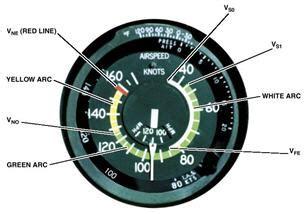
Airspeed indicator
-
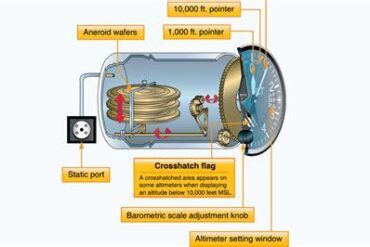
Altimeter
-
Tachometer (per engine)
-
Oil pressure and temperature gauges
-
Magnetic direction indicator
-
Fuel quantity indicator
Since Hobbs meters are optional, their inclusion is often determined by whether the aircraft is used for rental, flight instruction, or commercial operations. In such environments, accurate flight time tracking is essential for business accountability and pilot documentation.
When a Hobbs meter is not installed, some tachometers incorporate an hour meter, serving as the aircraft’s sole time-tracking device. This underscores the importance of understanding how time is being recorded—especially for renters and students.
Hobbs Time and Rental Practices
In aircraft rental agreements, Hobbs time is often the billing standard, especially when aircraft are rented for solo or training flights. This is because Hobbs time better reflects total aircraft usage, including:
-
Engine warm-up
-
Taxi to the runway
-
Flight time
-
Post-landing procedures
Using Hobbs time ensures that renters are charged for the entire duration the aircraft is occupied and operational, aligning costs with usage and operational wear.
Still, flight schools and cost-conscious operators may prefer tach time to limit overbilling and engine strain. This makes it essential for every pilot to clarify the time-tracking and billing methodology before signing a rental agreement.
Understanding the Implications of Logging Incorrectly
Misunderstanding the distinction between tach and Hobbs time can have regulatory and career consequences. Logging fewer hours due to the use of tach time can:
-
Delay eligibility for check rides or endorsements
-
Skew compliance with FAA minimums for licenses
-
Undermine credibility during job applications or insurance underwriting
Conversely, artificially inflating time by manually adjusting logs to match Hobbs time—when none is recorded—could raise compliance red flags during an FAA audit.
Summary: Know Your Time, Know Your Aircraft
Mastering the nuances of Hobbs and tach time is more than just semantics—it’s a critical element of aviation competency. Whether managing aircraft rentals, maintaining logbook accuracy, or adhering to regulatory maintenance schedules, understanding how your time is measured and reported ensures:
-
Transparent billing
-
Proper aircraft upkeep
-
Accurate flight experience reporting
As aircraft instrumentation evolves, some digital systems integrate both Hobbs and tach measurements into electronic flight instruments. But for now, especially in legacy and rental aircraft, pilots must remain vigilant in recognizing what is being tracked, when, and why.
FAQs
What is the main difference between Hobbs time and tach time?
Hobbs time measures actual elapsed time, typically from engine start to shutdown, making it ideal for flight logging. Tach time measures engine RPM and records time based on propeller revolutions, commonly used for maintenance tracking.
Why shouldn’t I use tach time in my pilot logbook?
Tach time records fewer hours at low RPM settings, such as during taxi or descent, which can underreport your total flight experience. Always use Hobbs time or clock time for accurate FAA logbook compliance.
Is a Hobbs meter required on all aircraft?
No. According to FAA Part 91.205, Hobbs meters are not mandatory. However, most aircraft used for rental or instruction will have a Hobbs meter installed for billing and tracking purposes.