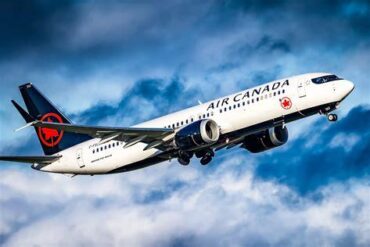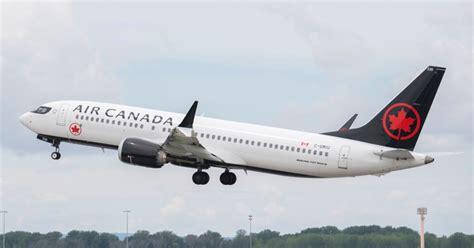
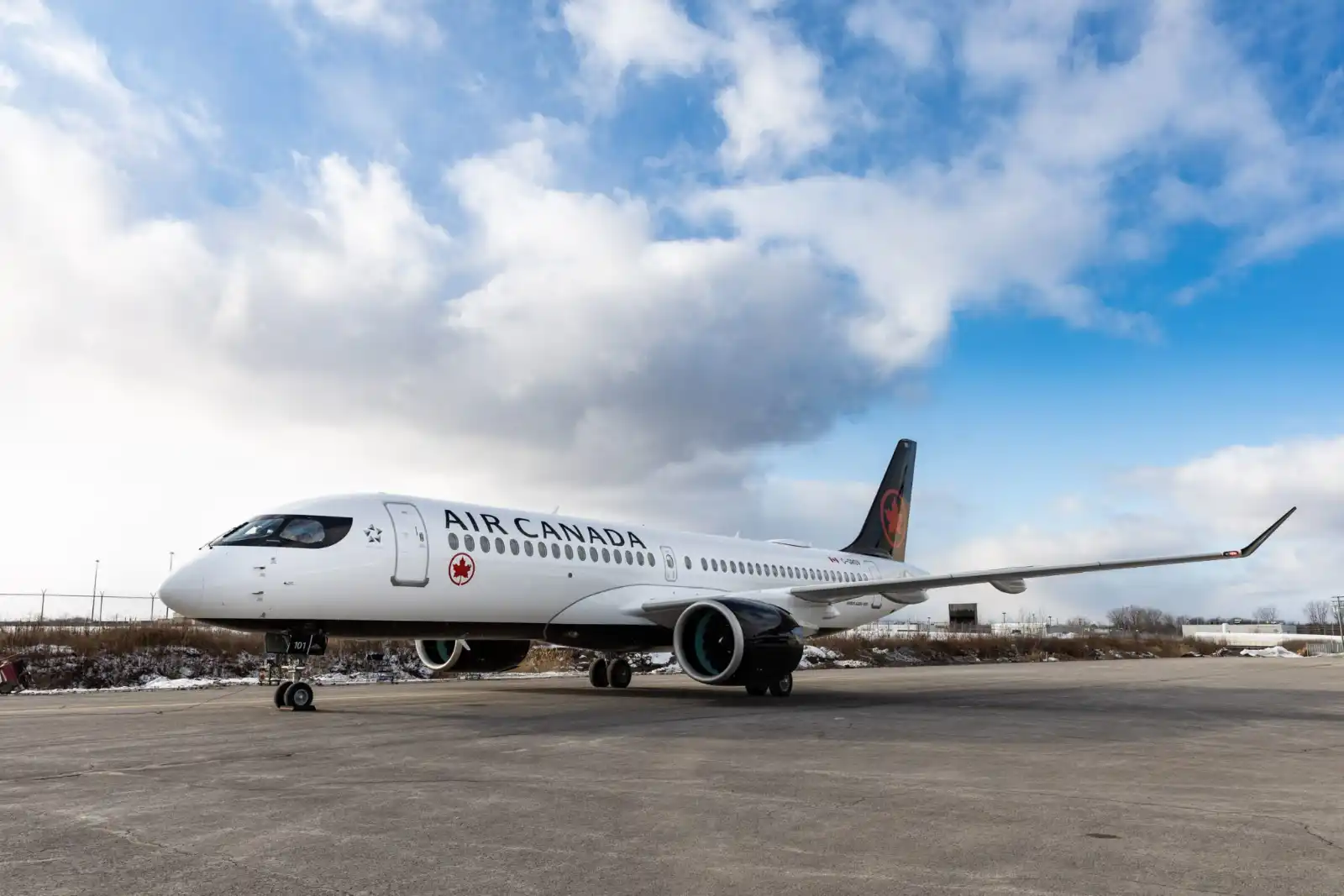
An Air Canada Airbus A220-300, en route from Montreal to Austin, was abruptly forced to reverse course on May 12, 2025, after the flight’s captain became medically incapacitated mid-flight. The incident unfolded while the aircraft cruised at 36,000 feet above Pennsylvania airspace, resulting in a swift but composed return to Montréal–Trudeau International Airport (YUL). The event underscored the aviation industry’s rigorous safety protocols and the importance of having qualified personnel onboard — even outside the scheduled crew.
Unexpected Emergency at Cruise Altitude
Flight AC1051, operated by an Airbus A220-300 with tail registration C-GNAM, had taken off from Montreal at approximately 17:09 local time, bound for Austin-Bergstrom International Airport (AUS). Onboard were 82 individuals, including passengers and crew. At 18:04, just under an hour into the journey and while cruising over Pennsylvania at FL360 (36,000 feet), the situation took a sudden turn: the captain became ill and was unable to fulfill flight duties.
Fortunately, a qualified company pilot, also certified to operate the Airbus A220, happened to be traveling as a passenger. The individual, whose presence was unrelated to the scheduled flight operation, swiftly assumed control from the incapacitated captain. The crew immediately began to coordinate a safe return to the departure airport.
The aircraft landed safely in Montreal after approximately 1 hour and 45 minutes in the air, with no injuries reported. The response was praised as smooth, by-the-book, and professionally executed.
Timeline of the Incident and Flight Response
Flight tracking data from Flightradar24 provided a precise overview of the chain of events. The aircraft’s trajectory revealed a consistent cruising pattern before the abrupt pivot south of New York State. The diversion came after the onset of the medical issue was recognized. Upon assuming command, the relief pilot — who met all Air Canada and Transport Canada standards for aircraft command — took over the flight deck in coordination with the first officer.
The Transportation Safety Board of Canada (TSB) released a brief but clear statement, confirming:
“In cruise, the captain became ill and was unable to continue [duties]. A company A220 pilot was onboard the flight and commenced the flight duties. The crew decided to return to CYUL without further incident.”
Following a safe landing, the aircraft remained grounded in Montreal until 21:43, allowing the crew to rest and undergo assessments. A new operating crew was assembled, and the flight departed again, eventually touching down in Austin at 00:41 on June 13, approximately 4.5 hours later than scheduled.
Understanding Pilot Incapacitation in Commercial Aviation
Pilot incapacitation refers to any event — medical, psychological, or physical — that renders a pilot unfit to operate the aircraft safely. This may include sudden, dramatic events such as cardiac arrest or stroke, or more insidious symptoms like dizziness, confusion, or fatigue that worsen progressively. Though rare, such incidents demand rapid assessment and decisive action from the remaining cockpit crew.
According to international aviation data, complete pilot incapacitation occurs at an estimated rate of 0.45 per 10 million flight hours, as per the European Union Aviation Safety Agency (EASA). In dual-crew operations, when one pilot is incapacitated, the second-in-command assumes full control and diverts if necessary. If a third crew member — such as a deadheading pilot — is onboard and rated on the aircraft type, they may legally and operationally step in.
In this case, Air Canada’s commitment to simulator-based recurrent training and its robust safety culture ensured that the unexpected medical event was handled with calm precision.

The Airbus A220-300: Designed with Redundancy and Efficiency
The aircraft involved, an Airbus A220-300, was originally developed by Bombardier as the CS300. Known for its advanced avionics, fly-by-wire flight control system, and enhanced fuel efficiency, the A220 has become a mainstay for North American carriers, especially on medium-haul routes like Montreal–Austin.
Key specifications of the A220-300 include:
- Length: 127 ft (37.7 m)
- Wingspan: 115 ft (35.1 m)
- Height: 37 ft 9 in (11.5 m)
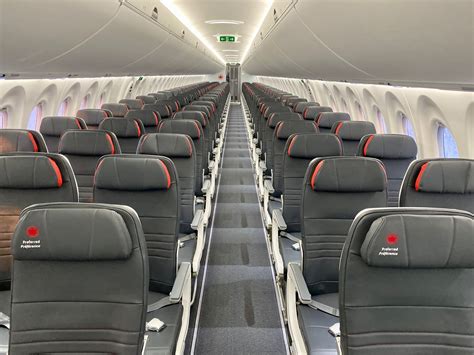
- Seating capacity: Typically 130-160 passengers
- Range: Up to 3,400 nautical miles
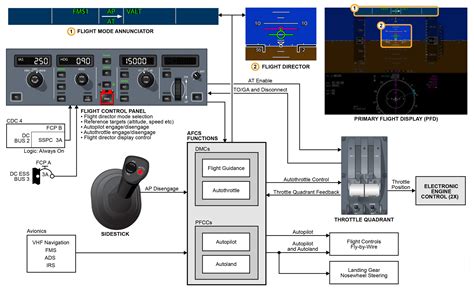
With its automated systems and advanced warning features, the aircraft is engineered to assist pilots during unusual scenarios — including crew incapacitation. The autopilot system plays a critical role in maintaining stability and flight parameters during high-stress events.
Precedents: Recent Incapacitation Events in Commercial Aviation
Although this Air Canada episode concluded without incident, it is not an isolated case. Pilot incapacitations, while rare, are taken extremely seriously across the industry. In the past year alone, several notable incidents have brought similar scenarios into the spotlight:
- February 2024 – Lufthansa A321 (Flight LH1140): The first officer became incapacitated mid-flight while the captain was briefly out of the cockpit. The situation triggered a critical moment where flight controls were unintentionally manipulated. The captain re-entered and safely diverted the aircraft to Madrid.
- March 2024 – United Airlines UA194: En route from San Francisco to Munich, the first officer began exhibiting food poisoning symptoms and became unable to continue. The aircraft diverted to Washington Dulles, where medical teams responded promptly.
- April 2024 – United Airlines UA71: A third pilot onboard a Boeing 777-200 experienced chest pain over the North Atlantic, necessitating a diversion to Dublin for immediate medical evaluation.
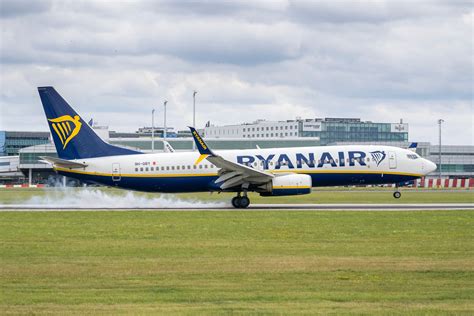
- April 2024 – Ryanair Flight FR4038: The captain of a 737-800 from Dublin to Milan Bergamo became unwell during descent. The first officer took over, landing the aircraft safely. The aircraft remained grounded overnight for crew replacement and aircraft checks.
Each incident has reinforced the value of multi-layered safety mechanisms, as well as the importance of human factors training, which prepares flight crews to respond to emergencies swiftly and effectively.
Air Canada’s Track Record and Response Strategy
Air Canada has long maintained a reputation for safety, consistently earning recognition from Skytrax and other auditing bodies. The carrier has implemented a number of standard operating procedures (SOPs) to address rare but serious scenarios like pilot incapacitation.
These include:
- Annual simulator evaluations with incapacitation scenarios
- Health assessments and fitness-to-fly protocols for all crew
- Jumpseat policies that often allow repositioning qualified crew on commercial flights
The airline’s response in this case — a seamless cockpit transition, immediate diversion, and rescheduled arrival — reflected not only regulatory compliance but operational maturity. Passengers were reportedly well-informed during the flight, with cabin crew managing communications with clarity and composure.
Lessons From the Incident: Vigilance and Redundancy Remain Critical
This incident is a sobering reminder that even in the most controlled environments, human factors remain a variable. While technology and procedures reduce risk, the unpredictable nature of health events cannot be entirely eliminated. The fact that a certified A220 pilot was onboard and able to assume control turned a potentially chaotic emergency into a textbook diversion scenario.
The aviation industry continues to evolve its safety net through rigorous medical screening, cockpit culture changes, and enhanced crew cooperation. The inclusion of medical experts in regulatory discussions has also broadened the understanding of what constitutes “incapacitation” — from dramatic collapse to nuanced cognitive decline.
Looking forward, the case of Air Canada Flight AC1051 serves as a case study in preparedness. It will likely be referenced in training environments for years to come, not because of its drama, but due to its exemplary resolution.
Conclusion: A Calm Crisis Met With Confidence
Despite the serious implications of a captain becoming incapacitated mid-flight, Air Canada’s execution of protocols, the presence of a qualified relief pilot, and the resilience of the crew and passengers ensured a safe and controlled outcome. No panic. No injury. No deviation from the primary goal of passenger safety.
As global skies grow increasingly busy post-pandemic, this event reiterates one critical truth: aviation’s strength lies not only in machinery or flight plans, but in the disciplined, skilled people who carry them out — even in moments of crisis.