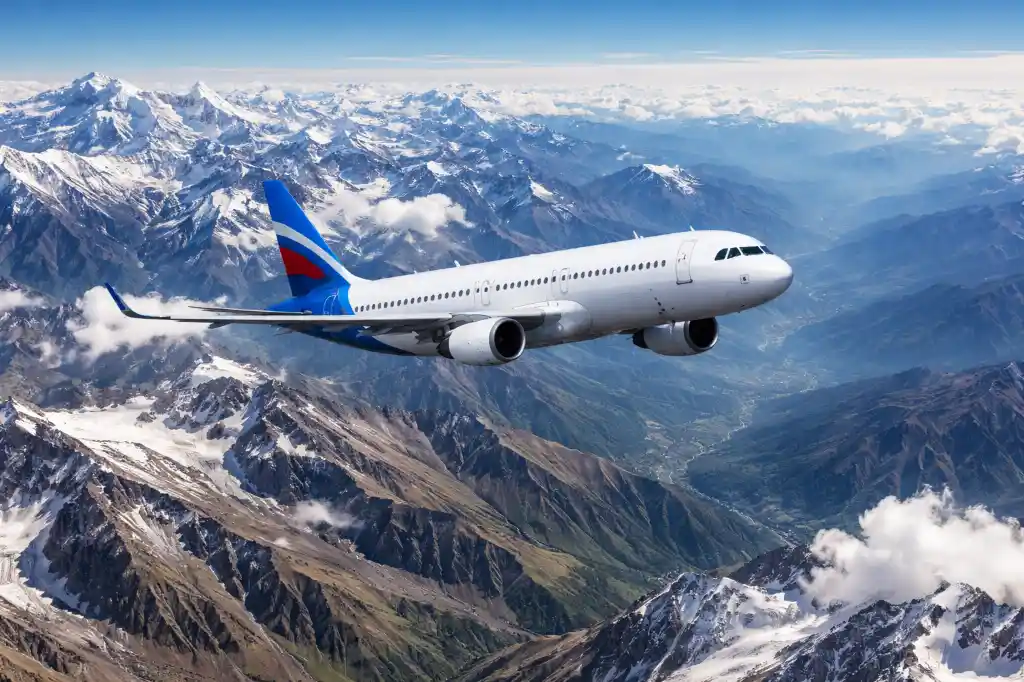
Flying an Airbus A320 across South America is nothing like cruising above flat plains or predictable coastlines. It is a daily confrontation with geography, weather, and physics, where towering mountains, thin air, and rapidly changing climates dictate every decision made in the cockpit. Behind the postcard-perfect views of the Andes lies an environment that quietly demands absolute precision, deep respect for terrain, and a mindset shaped by constant vigilance.
For many passengers, South America represents adventure, culture, and dramatic landscapes. For pilots, it represents one of the most operationally complex regions on Earth. Every flight is a reminder that modern jetliners, despite their advanced automation, remain deeply influenced by the environment they operate in. In this world, the aircraft does not dominate nature; it negotiates with it.
An Airbus A320 First Officer based in Chile offers a rare, firsthand look into what flying through this terrain truly involves. His experience reveals not only the technical challenges of mountain flying, but also the personal perseverance required to build an airline career in a region where opportunities are scarce and expectations are relentless.
South America’s aviation ecosystem often flies under the global radar, overshadowed by larger North American and European markets. Yet the combination of modern fleets, demanding airports, and unforgiving geography creates pilots who are trained early to operate at the edge of complexity. The result is a cockpit culture where preparation is everything and complacency simply does not survive.
Why South America Pushes Airline Pilots to Their Limits
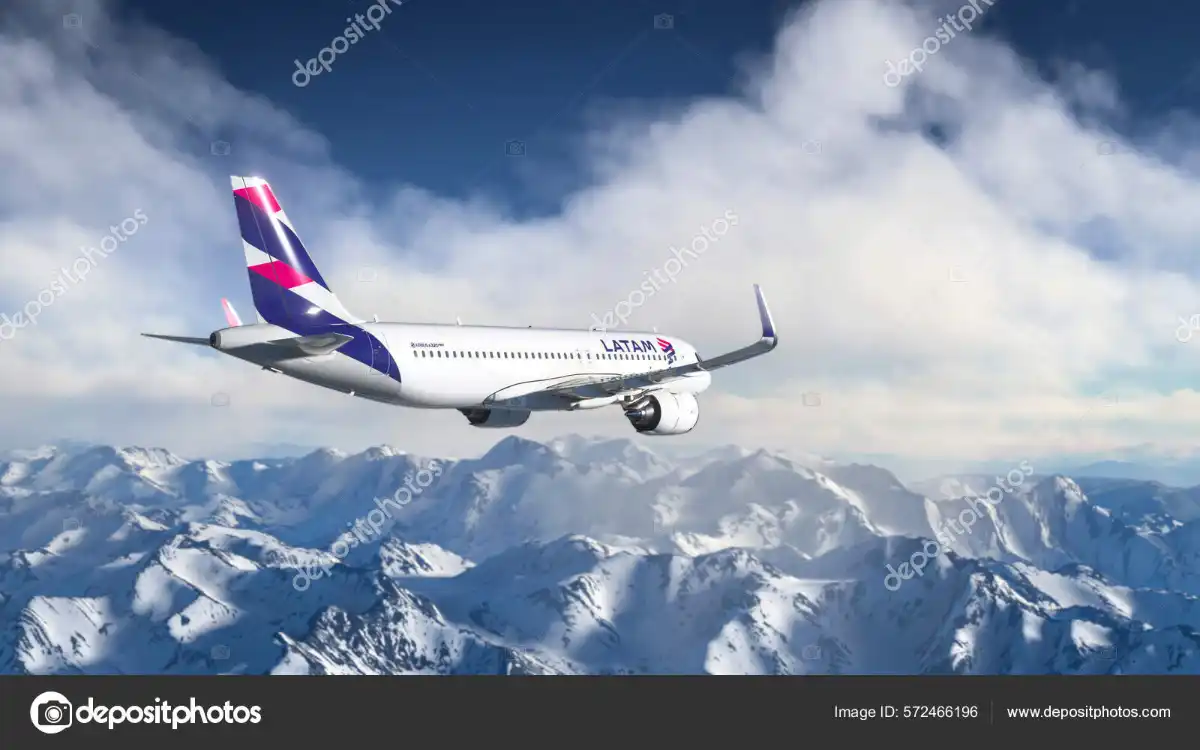
The Andes mountain range is the backbone of South America’s aviation challenges. Stretching over 7,000 kilometers and reaching altitudes well above typical airline cruising terrain margins, it shapes routes, dictates fuel planning, and influences weather patterns in ways that cannot be ignored. Flying an A320 here means constantly accounting for terrain that rises faster than the aircraft can climb if planning is careless.
High-elevation airports are a defining feature of the region. Cities such as La Paz, Cusco, Quito, and Bogotá sit thousands of feet above sea level, where thin air reduces engine performance and wing lift. Takeoff distances increase, climb gradients shrink, and payload decisions become critical. Every departure involves performance calculations that leave little room for optimism or error.
Unlike many mountainous regions elsewhere, South American airports are often embedded directly within cities, constrained by valleys and surrounded by obstacles. There is no luxury of wide, open airspace to recover from mistakes. Standard instrument departures and arrivals are tightly choreographed pathways that thread aircraft through natural corridors carved by geography rather than convenience.
Weather adds another layer of unpredictability. Mountain waves, sudden downdrafts, and rapidly forming storms can transform a routine flight into a high-workload operation within minutes. Pilots learn quickly that forecasts are guides, not guarantees, and that continuous reassessment is part of staying safe.
The Reality of Pilot Careers in a Smaller Aviation Market
For aspiring airline pilots, South America presents a paradox that is both motivating and intimidating. The region operates modern fleets from manufacturers like Airbus, yet offers far fewer employment opportunities than larger markets. A single failed interview can stall a career for years, forcing pilots to either wait, relocate, or leave aviation entirely.
Training pathways differ significantly from those in North America or Europe. In countries such as Chile, pilots can reach airline cockpits with relatively low flight-hour totals, relying heavily on structured airline training programs. This accelerates responsibility but also places enormous pressure on young pilots to mature quickly in high-stakes environments.
Financial risk is another defining factor. Many pilots self-fund their training, investing life savings without guarantees of employment. The payoff, when it comes, is early exposure to demanding operations that build skills rapidly. Those who succeed often develop a level of discipline and resilience that defines their entire careers.
Competition is intense, not only because of limited airline numbers, but also because of regional economic volatility. Industry downturns, political changes, and global crises can freeze hiring overnight. In this environment, perseverance is not optional; it is a survival skill.
From Ecuador to Chile: A Young Airbus Pilot’s Journey
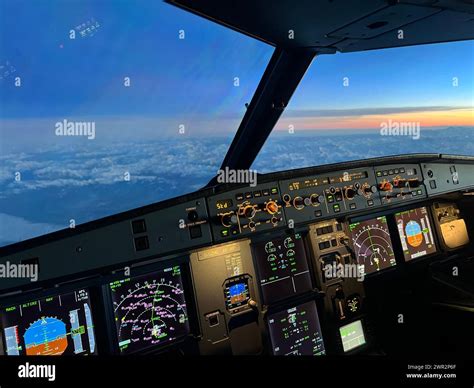
First Officer Camilo Garrido embodies the modern South American airline pilot. Born in Ecuador and later relocating to Chile, his path into the A320 cockpit reflects both the region’s opportunities and its obstacles. Aviation was not an inherited profession for him, but a passion discovered through proximity and curiosity.
Growing up near Quito’s old airport, Camilo witnessed aircraft operating in one of the most challenging environments in the world. Even then, becoming a pilot felt unrealistic, distant, and financially daunting. It was exposure to aviation history, rather than modern airline glamour, that ultimately gave the dream shape and legitimacy.
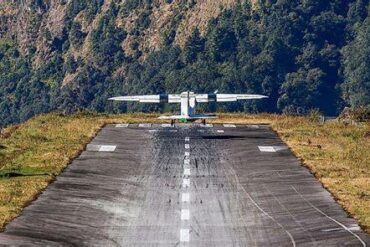
Chile offered a more accessible path into aviation training, and Camilo embraced it fully. His early flying experience was far removed from glass cockpits and jetways. Operating light aircraft from short dirt runways, sometimes interrupted by livestock, instilled an early respect for unpredictability and decision-making under pressure.
That foundation proved invaluable later. Transitioning into the Airbus A320 family, including occasional A321 and NEO variants, required not just technical competence, but an ability to absorb vast amounts of information quickly. In South America, airline training compresses learning curves, and pilots are expected to perform from day one.
Perseverance Forged by Industry Setbacks
Camilo’s graduation coincided with the global aviation downturn triggered by COVID-19. Hiring freezes swept across South America, grounding ambitions alongside aircraft. Rejection became part of the journey, not because of lack of ability, but because opportunity itself had evaporated.
Rather than stepping away, he chose to stay sharp. Investing time in A320 simulator training, even when it was not required, allowed him to remain mentally inside the cockpit. Working alongside instructors and supporting IFR training reinforced procedural discipline and systems knowledge during a period when real flying was scarce.
This persistence reflects a broader reality for pilots in smaller markets. When progress halts, improvement cannot. The region rewards those who continue preparing even when there is no immediate payoff. When hiring resumes, readiness often makes the difference between another rejection and a long-awaited call.

What Flying the A320 Through the Andes Really Feels Like
Flying through Chile and across the Andes is less about fear and more about constant awareness. According to Camilo, terrain is never background scenery; it is an active participant in every phase of flight. Departures and approaches are briefed with extraordinary detail, accounting for escape routes, engine-out scenarios, and minimum safe altitudes that leave no ambiguity.
Over time, this awareness becomes instinctive. Pilots raised in mountainous environments develop a three-dimensional understanding of airspace that differs markedly from those trained over flat terrain. Every altitude change, heading adjustment, and speed decision is evaluated against the surrounding geography.
Interestingly, this perspective can reverse expectations. When flying into flatter regions, the absence of terrain can feel unsettling rather than comforting. Minimum sector altitudes that would be considered high elsewhere suddenly feel surprisingly low, highlighting how environment reshapes intuition.
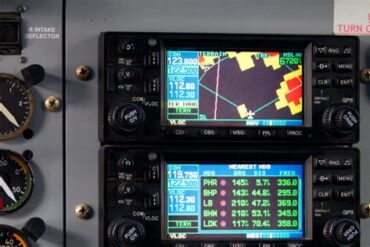
The Airbus A320, with its advanced automation and flight protections, is well suited to this environment, but it does not replace judgment. Automation is a tool, not a shield. Pilots must constantly verify that what the aircraft is doing aligns with the unique demands of the terrain below and around them.
High-Altitude Airports and the Science of Performance
Operating jet aircraft at high elevation is a lesson in physics that pilots live daily. Reduced air density affects everything from engine thrust to wing efficiency. Takeoff calculations become critical exercises in realism, where optimistic assumptions are replaced by conservative margins.
Payload restrictions are common, especially during hot afternoons when density altitude peaks. Pilots must balance commercial pressures with uncompromising safety standards, sometimes leaving seats empty to ensure required climb performance.
Approaches demand equal respect. Thinner air alters descent profiles, and terrain proximity reduces tolerance for deviations. Stabilized approach criteria are not suggestions; they are lifelines. Go-arounds are executed without hesitation when parameters are not met.
In this environment, discipline is not about rigid adherence to rules for their own sake. It is about recognizing that the margin between routine and unsafe can be measured in seconds and feet.
Why This Experience Shapes World-Class Pilots
Pilots trained in South America often discover that their experience travels well. Mountain flying builds situational awareness, energy management, and decision-making skills that are valued globally. Exposure to complex environments early in a career accelerates maturity in ways that cannot be simulated fully elsewhere.
Airlines around the world increasingly recognize the value of pilots forged in demanding regions. The ability to remain calm, analytical, and proactive under pressure is transferable across aircraft types and continents.
For those willing to endure the uncertainty and competition, South America offers more than a job. It offers an aviation education written by geography itself, where every flight reinforces respect for nature and mastery of the machine.
Lessons from the Cockpit for Aspiring Pilots
Camilo’s journey offers a clear message to future aviators. Passion alone is not enough, but it is essential. Discipline, adaptability, and perseverance turn that passion into progress. Training in challenging environments builds confidence rooted in competence rather than complacency.
Rejections are not endpoints. They are intervals. Staying engaged, improving continuously, and maintaining readiness define success in regions where timing matters as much as talent.
Flying an Airbus A320 through South America’s most challenging terrain is not about conquering mountains. It is about understanding them, respecting them, and navigating their complexities with humility and precision. For the pilots who do, the reward is not just a career, but a profound connection to the craft of flying itself.