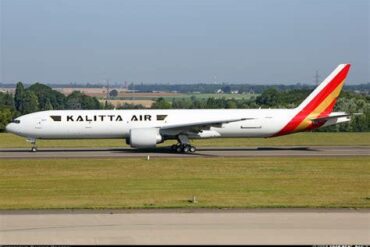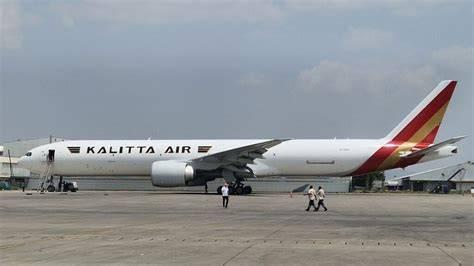
A Kalitta Air Boeing 777-300ER converted freighter has been repositioned to Michigan for detailed inspections and potential repairs after suffering a tail strike during a landing attempt at Cincinnati/Northern Kentucky International Airport (CVG). The aircraft, registered as N778CK, was removed from regular cargo operations following the incident and later ferried to Oscoda-Wurtsmith Airport (OSC), where Kalitta Maintenance operates a major engineering facility.
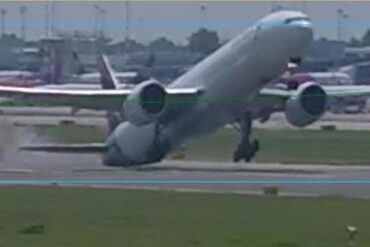
The incident occurred on July 19 while the aircraft was operating Kalitta Air flight K4264 from Brussels Airport (BRU) to Cincinnati. During the first landing attempt, the flight crew initiated a go-around, and the aircraft’s tail contacted the runway surface. Video footage from the airport showed sparks generated by the contact before the aircraft safely climbed away.
Following the go-around, the crew completed the necessary procedures and returned the aircraft for a second landing attempt. The Boeing 777-300ERSF landed safely, and no injuries were reported among the crew. The Federal Aviation Administration (FAA) has opened an investigation into the event to determine the circumstances surrounding the tail strike.
Boeing 777 Freighter Ferry Flight Moves Aircraft to Kalitta Maintenance Facility
Flight tracking information showed that N778CK was ferried from Cincinnati to Oscoda-Wurtsmith Airport on July 21, two days after the incident. Operating under flight number K4-9778, the aircraft departed CVG at approximately 10:36 PM local time and completed the short repositioning flight to northern Michigan in just over an hour.
A ferry flight allows an aircraft requiring maintenance to be moved without passengers or commercial cargo. This process is common throughout the aviation industry when specialized inspections or repairs must be performed at a specific maintenance location. For Kalitta Air, transferring the aircraft to its Michigan facility provides access to experienced technicians and the necessary equipment for structural evaluation.
Although tail strikes may appear visually limited to the lower rear section of the fuselage, the inspection process can involve extensive examination. Maintenance teams typically inspect the aft fuselage structure, fuselage skin, frames, pressure bulkhead, and empennage attachment areas to identify any deformation, cracks, or hidden damage.
The aircraft will remain under evaluation until engineers determine the extent of repairs required. The final timeline for returning N778CK to commercial service will depend on inspection findings and any corrective maintenance actions.
One of the First Boeing 777-300ERSF Converted Freighters
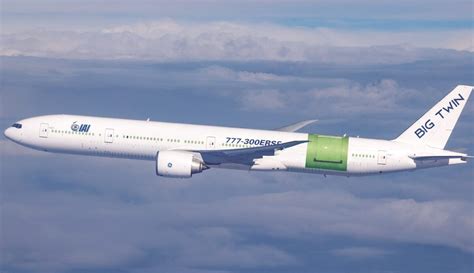
The aircraft involved is one of the earliest examples produced through the Israel Aerospace Industries (IAI) Boeing 777-300ERSF “Big Twin” conversion program. The program transforms passenger Boeing 777-300ER aircraft into large-capacity freighters designed for modern logistics operations.
The converted freighter offers approximately 220,000 pounds (100,000 kilograms) of cargo capacity and provides around 25% more cargo volume than the factory-built Boeing 777F. This additional space makes the aircraft especially valuable for express freight operators transporting large-volume shipments.
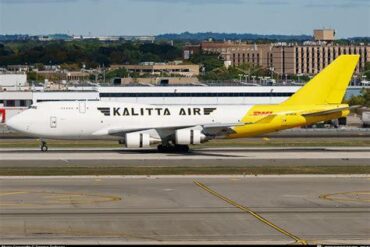
Kalitta Air has become a key operator of the Boeing 777-300ERSF and was the launch customer for the type. The Michigan-based cargo airline has expanded the aircraft’s role within its fleet, using the freighter to support major logistics networks, including operations connected with DHL Express at Cincinnati, one of the company’s largest global sorting hubs.
On the day of the incident, flight K4264 departed Brussels at approximately 5:47 PM and completed an eight-hour, 32-minute transatlantic journey before encountering the landing issue at Cincinnati.
Tail Strikes Remain a Rare but Significant Aviation Event
Tail strikes are uncommon but continue to represent an important safety concern during critical phases of flight, particularly takeoff and landing. They can occur when an aircraft rotates too aggressively, lands with an excessive pitch attitude, or encounters conditions that affect normal aircraft handling.
Recent aviation history includes several notable tail strike events. In 2024, a LATAM Airlines Boeing 777-300ER experienced a serious tail strike during takeoff from Milan Malpensa after a takeoff weight calculation issue. The aircraft sustained significant structural damage and required extensive repairs before returning to service.
Manufacturers incorporate various safety measures to reduce the likelihood and consequences of tail strikes. These include **tail strike protection systems, operational procedures, cockpit guidance, and flight crew training focused on maintaining appropriate aircraft attitude during takeoff and landing.
For Kalitta Air, the event involving N778CK represents a major operational interruption for one of its newest and most valuable cargo aircraft. The aircraft’s transfer to Michigan indicates that the airline is prioritizing a thorough inspection process while working toward a safe return to service.
As global air cargo demand continues to depend on large-capacity freighters, maintaining aircraft availability remains critical. The outcome of the inspection will determine how quickly this Boeing 777-300ERSF can rejoin Kalitta Air’s expanding cargo network.