A KLM Royal Dutch Airlines flight attendant has been hospitalized in the Netherlands after developing symptoms linked to possible Hantavirus exposure, intensifying concerns surrounding a deadly outbreak connected to passengers from the expedition cruise ship MV Hondius. The incident has drawn attention from international health authorities and aviation experts, particularly as questions emerge over airport safety protocols and aircraft ventilation procedures during boarding operations.
The crew member, whose identity has not been publicly disclosed, reportedly began experiencing mild symptoms shortly after coming into close contact with a sick Dutch passenger attempting to return home from South Africa. Dutch outlet RTL Nieuws confirmed that the flight attendant was transported from her residence in Haarlem to a hospital in Amsterdam, where she remains in isolation while medical monitoring continues.
The case unfolded after a 69-year-old Dutch woman boarded a KLM long-haul flight departing Johannesburg. The passenger had recently been evacuated from the MV Hondius, where a Hantavirus outbreak had already claimed multiple lives, including that of her husband. According to reports, the woman was visibly ill before departure and was eventually deemed too sick to continue traveling.
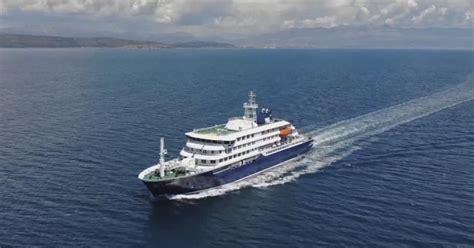
Deadly Cruise Ship Outbreak Triggers International Health Concerns
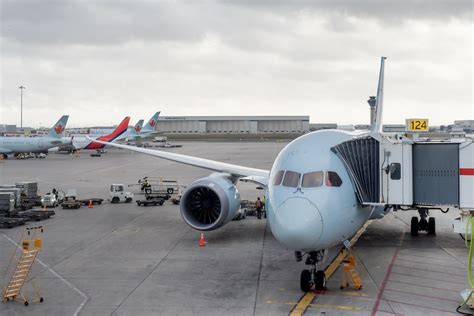
The outbreak aboard the MV Hondius has rapidly become an international public health concern after at least three passengers died following suspected exposure to Hantavirus. Victims reportedly include the Dutch couple and a German national, while several additional passengers were evacuated for medical treatment after developing symptoms.
Authorities across multiple countries are now attempting to trace former cruise passengers and identify anyone who may have been exposed before the outbreak became widely known. The virus itself is relatively rare but carries a frighteningly high fatality rate in severe cases, particularly when respiratory complications develop.
Hantavirus is primarily transmitted through contact with rodent urine, saliva, or droppings. Infection often occurs when contaminated particles become airborne and are inhaled. Human-to-human transmission remains uncommon, though health experts note that prolonged close exposure can increase risk under specific conditions.
The Dutch woman involved in the KLM incident had intended to travel back to the Netherlands for treatment after her husband died aboard the vessel. However, her health deteriorated dramatically while she was in transit through Johannesburg. Reports indicate she collapsed at the airport shortly after boarding procedures began and later died.
KLM confirmed that its crew made the decision to remove the passenger from the aircraft before departure due to her visible medical condition.
“Due to the passenger’s medical condition at the time, the crew decided not to allow the passenger to travel on the flight,” the airline stated.
Flight Attendant Exposure Raises Questions About Airline Safety Procedures
The hospitalized KLM flight attendant had reportedly been assigned to one of the carrier’s Africa-bound long-haul services when the exposure occurred. While her symptoms were described as mild, the situation immediately triggered concern because of the close proximity between crew members and ill passengers during boarding, medical assessments, and cabin preparation.
Airline crew are trained extensively to manage onboard medical emergencies, yet infectious disease exposure remains one of the industry’s most unpredictable occupational risks. In this case, the transfer may have occurred during direct assistance provided to the visibly sick traveler before she was removed from the aircraft.
The incident has also reignited debate over aircraft ventilation systems while planes are parked at airport gates. Harvard Professor Joseph Allen, an expert in exposure and risk science and a member of the Lancet Coronavirus Pandemic Commission, pointed to the event as another example of why airlines should maintain active ventilation during boarding and deplaning procedures.
According to Allen, aircraft cabins typically experience between 10 and 20 air changes per hour while in flight, dramatically reducing airborne particle concentration through continuous circulation and HEPA filtration. However, ventilation systems are often reduced or inactive while aircraft remain parked at gates, potentially creating an environment where pathogens can accumulate more easily.
That distinction has become increasingly important in the aftermath of the COVID-19 pandemic, as airlines continue reevaluating health and sanitation procedures for both passengers and crew.
Experts Warn Boarding Areas May Present Higher Transmission Risk
While modern aircraft are frequently praised for their advanced filtration systems during flight, experts argue that the highest exposure risk may actually occur before takeoff. Boarding areas, jet bridges, and parked aircraft cabins often involve dense passenger movement with limited airflow compared to cruising conditions.
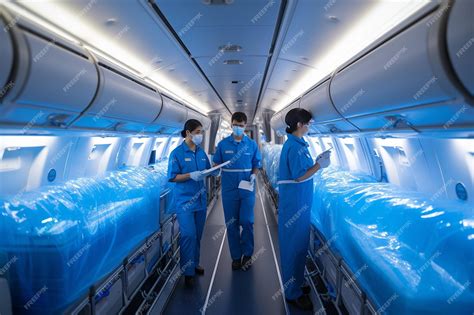
The Hantavirus incident involving KLM underscores how rapidly a localized outbreak can intersect with international aviation networks. Within hours, infected or potentially exposed travelers can cross borders, enter crowded terminals, and interact with airline personnel before symptoms are fully understood.
Health agencies are continuing to monitor individuals connected to the MV Hondius outbreak while assessing whether additional cases emerge among transportation workers or fellow passengers. For now, the hospitalized KLM crew member remains under observation in Amsterdam as investigators attempt to determine whether transmission occurred during the airport encounter.
The situation has become another reminder of the fragile intersection between global travel and infectious disease control, particularly when rare viruses surface unexpectedly in confined international transit environments.