In the structured world of commercial aviation, understanding pilot ranks is essential to grasp how responsibility and authority are distributed in the cockpit. These ranks are not merely symbolic; they define roles, decision-making power, and levels of experience. As passengers, we may only see a uniform and a confident stride, but those epaulettes adorned with gold stripes carry the weight of thousands of flight hours, rigorous training, and critical responsibilities.
The Significance of Pilot Epaulettes
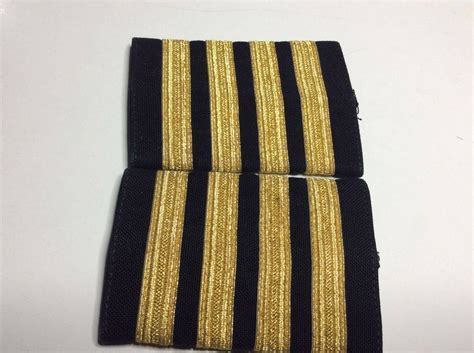
Uniform insignia in aviation is a well-established tradition, closely modeled after naval officer rankings, symbolizing authority and hierarchy. On a pilot’s uniform, the rank is displayed on epaulettes—shoulder pieces sewn into the shirt—and mirrored on the jacket sleeve just above the wrist. The number of stripes indicates the individual’s position and level of authority within the crew. Most commercial airlines use two to four gold (or occasionally silver) stripes.
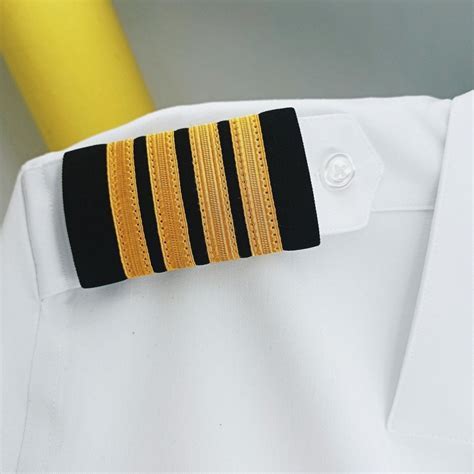
Each stripe tells a story of progression and proficiency:
-
1 stripe: Cadet or Trainee Pilot
-
2 stripes: Second Officer
-
3 stripes: First Officer (Co-Pilot)
-
4 stripes: Captain
-
4 stripes + star: Senior Captain (used in Italy, Spain, and select carriers)
Cadet/Trainee Pilot – 1 Stripe
A Cadet or Trainee Pilot wears a single stripe on their epaulettes, marking the very beginning of a professional flying career. These individuals are typically in training under the supervision of senior crew and have less than one year of service. While they do not operate flights independently, they are integral to the learning ecosystem and undergo intensive simulator training, classroom instruction, and observation flights.
Their duties may include:
-
Assisting during pre-flight checks
-
Observing cockpit procedures
-
Participating in co-pilot simulations
Despite limited responsibilities, this early phase lays the foundation for disciplined flying habits and the development of critical aeronautical decision-making skills.
Second Officer – 2 Stripes
A Second Officer wears two stripes and is a qualified pilot with foundational flight experience, usually gained over 1 to 5 years. They are often assigned to long-haul or multi-crew flights, where they support both the First Officer and Captain by handling cruise duties and systems monitoring.
They may:
-
Monitor instruments during cruise
-
Communicate with air traffic control
-
Handle system management tasks
Although the Second Officer does not control takeoff or landing, their presence ensures effective management of extended flights, reducing fatigue for more senior crew members.
First Officer – 3 Stripes
First Officers, commonly referred to as Co-Pilots, are the second-in-command in the cockpit and wear three stripes. They typically possess more than five years of flight experience and have passed multiple certifications and assessments.
In a commercial airline, the First Officer:
-
Alternates flight duties with the Captain
-
Assists in flight planning and operational assessments
-
Takes command if the Captain is incapacitated
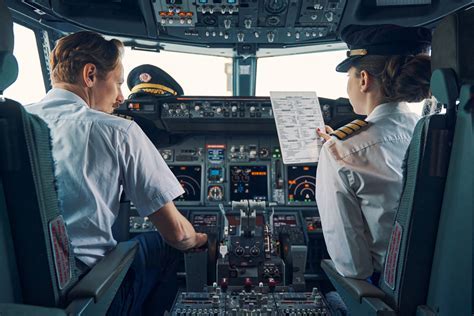
This position is not merely subordinate; rather, it forms a collaborative leadership structure. First Officers are fully capable of flying the aircraft solo if required, and they often engage in ongoing training aimed at achieving Captain status.
Captain – 4 Stripes
The Captain, distinguished by four gold stripes, holds the ultimate authority onboard. This individual is responsible for:
-
All operational decisions
-
Crew and passenger safety
-
Compliance with aviation regulations
-
Emergency response coordination
The journey to Captain is long and rigorous. It involves thousands of accident-free flight hours, successful command upgrade training, and extensive evaluations. The Captain’s responsibilities begin well before takeoff and extend beyond landing, including flight planning, weather assessment, fuel calculation, and post-flight documentation.
Captains embody aeronautical leadership, combining experience, composure, and decision-making precision. Their authority is recognized internationally, and their role is regulated by both airline policy and civil aviation law.
Senior Captain – 4 Stripes and 1 Star
In some regions such as Italy and Spain, a variation of the standard four-stripe insignia includes an additional star above the stripes, signifying a Senior Captain or Instructor Captain. This title is often reserved for individuals with long-standing service, exemplary records, and leadership in mentoring.
These captains may also serve in management roles, contribute to policy development, or train upcoming generations of pilots.
Functional Differences Between Ranks
Although both Captains and First Officers are licensed to fly, their functional responsibilities differ.
The Captain:
-
Has final authority over all flight-related decisions
-
Leads communication with ATC and operations
-
Commands the crew and oversees discipline
The First Officer:
-
Shares flying responsibilities
-
Assists in navigation, system monitoring, and troubleshooting
-
Acts as the procedural counterbalance to the Captain, ensuring protocol adherence
This dynamic enhances operational safety. Airlines enforce a sterile cockpit policy during critical flight phases, and the mutual cross-checking between Captain and First Officer ensures that human error is minimized.
Airline-Specific Variations
While most airlines adopt a similar ranking structure, some variations exist:
-
Air Dolomiti, a Lufthansa Group carrier, officially uses two, three, or four gold stripes.
-
Middle Eastern and Asian carriers may add insignia like stars or badges for cultural alignment.
-
Low-cost carriers often have compressed hierarchies, with faster transitions between Second Officer and First Officer.
Despite these differences, all airline pilots must meet ICAO licensing standards, ensuring a global baseline for flight safety and command proficiency.
From Trainee to Captain: A Career Timeline
Progressing through the pilot ranks involves a structured timeline:
-
Years 0–1: Trainee pilot under instructor supervision
-
Years 2–5: Second Officer on long-haul support
-
Years 6–10+: First Officer with shared flying responsibilities
-
Years 10–20+: Promotion to Captain after command assessments
-
Years 20+: Potential advancement to Senior Captain or Training Captain
Each transition involves not only flight hours but also training modules, psychological evaluations, and recurrent simulator checks.
Epaulettes in Military vs. Civil Aviation
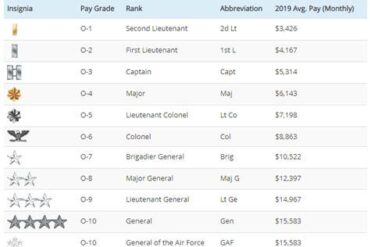
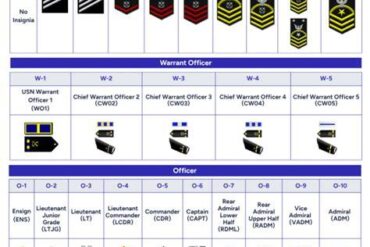
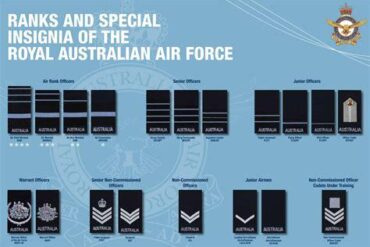
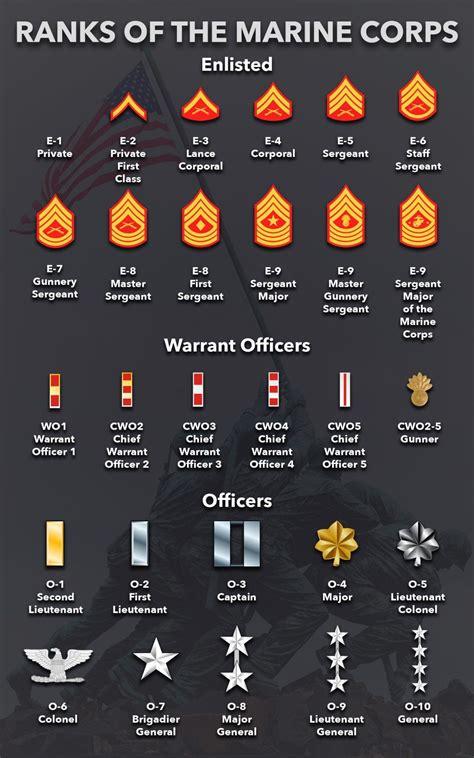
Military pilot ranks are notably different and include more symbolic complexity. Civil aviation, on the other hand, maintains a streamlined system to ensure transparency and quick recognition.
For example:
-
A Lieutenant Colonel in the Air Force may have a more decorated insignia, but in civil aviation, rank is purely operational.
-
The Captain in civil aviation might hold no military background but commands with equivalent authority in commercial flight.
This simplification aids cabin crew, ground staff, and even emergency responders in quickly identifying leadership within the flight deck.
Conclusion
The world of pilot ranks is not just tradition—it is a structured reflection of skill, experience, and command readiness. These ranks influence how flights are conducted, how safety is managed, and how responsibilities are distributed. As air travel continues to evolve, so too will the training and standards tied to these prestigious roles.
Understanding these ranks fosters greater appreciation for the discipline and expertise behind every safe landing.
FAQ
What do the stripes on a pilot’s uniform mean?
The stripes represent the pilot’s rank, which correlates with their level of authority, years of service, and responsibility. One stripe indicates a cadet or trainee, while four stripes signify a Captain.
Can a First Officer fly the plane alone?
Yes, First Officers are fully licensed pilots capable of flying the aircraft. They share flying responsibilities with the Captain and can take full control if necessary.
How long does it take to become a Captain?
It typically takes between 10 to 15 years of progressive experience, continuous training, and successful command assessments to qualify as a commercial airline Captain.