Introduction
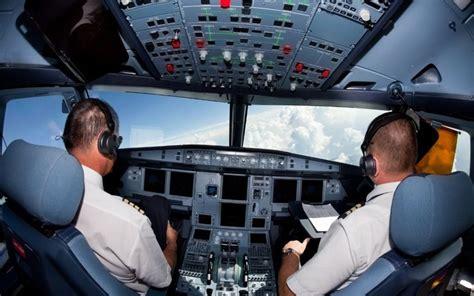
The design eye position, often referred to as the eye datum or design eye reference point (DERP), is crucial in cockpit design. It helps determine the size of cockpit windows and the placement of controls, displays, and instruments. Some aircraft manufacturers offer reference points that pilots use when adjusting their seats. For example, two balls fixed to the glare shield may serve as alignment points. In a two-pilot aircraft, three balls arranged in a triangle can guide each pilot to adjust their seat until the respective reference balls are aligned. This setup ensures that a pilot’s eyes are positioned optimally for visibility inside and outside the cockpit, while also being accessible to switches and knobs.
When pilots are correctly seated and aligned with the eye reference point, they achieve the best position for operating the aircraft. They can:
-
See all instruments and displays clearly in their field of view.
-
Reach and operate all aircraft controls freely, even with their seat harness fastened.
-
Maintain an optimal field of view through cockpit windows for awareness of their surroundings.
-
Achieve the best cut-off angle for extended visual segments, especially important during Low Visibility Operations.
-
Get a clear view of the head-up display (HUD), if equipped.
Legal Requirements
Regulations mandate that aircraft manufacturers help pilots position themselves accurately to provide the best view from their seats. EASA CS 25.773 and FAA FAR 25.773 specify that under non-precipitation conditions, the following must be ensured:
-
Each pilot compartment should offer a sufficiently extensive, clear, and undistorted view, enabling safe maneuvering within the aircraft’s operating limits, including taxiing, take-off, approach, and landing.
-
Each compartment must be free from glare and reflections that could interfere with the flight crew’s duties. These conditions must be validated through day and night flight tests.
EASA CS 25.777 and FAA FAR 25.777 state that controls should be positioned so that pilots can move them freely without obstruction from cockpit structures or their clothing. This applies to pilots ranging from 1.58 m (5 ft 2 in) to 1.91 m (6 ft 3 in) in height, seated with their seat belt and shoulder harness fastened.
Improper Position
If a pilot sits too low, they may face challenges like:
-
Difficulty reaching all system controls on the overhead panel.
-
Reduced situational awareness on the ground, increasing collision risks with airbridges, buildings, ground support vehicles, or other aircraft.
-
An inaccurate perception of the flight path during final approach.
-
Blind spots that reduce the cut-off angle, limiting the visual segment.
Conversely, sitting too high can lead to:
-
An inaccurate perception of the flight path during final approach.
-
Impaired visibility of the instrument panel, potentially hiding the upper PFD and ND.
-
Difficulty operating the rudder pedals fully.
Position Adjustment and Best Practices
Flight crews should adjust their seating before the aircraft moves, typically prior to pushback or engine start. Here’s a general adjustment procedure:
-
Align the seat’s longitudinal and vertical position with the eye-level to the eye reference indicator, ensuring the glare shield does not obstruct the upper PFD and ND view.
-
Adjust the armrest so the hand can naturally grip the sidestick without stretching the forearm, keeping the wrist straight.
-
Ensure the forearm rests comfortably on the armrest, allowing hand and finger movements for sidestick inputs.
-
Adjust the pedal position using the lever, confirming that they can move freely.
At the end of a flight, especially on long sectors, pilots might find their position shifts due to muscle fatigue, often lowering their seating. It’s wise to readjust the seat before starting the approach. During cruise flight, while eye-level alignment is less critical, pilots can adjust their seats for comfort. However, they must ensure they can still reach all flight controls and that their view of control panels remains unobstructed.