Space has always symbolized infinite possibility, but with every launch and every mission, we are bringing the chaos of human industry beyond Earth’s atmosphere. The past decade has witnessed an unprecedented boom in commercial space activity — from satellite megaconstellations to private ventures exploring solar energy beaming and orbital AI infrastructure. With this growth has come a shadow: a swelling graveyard of space debris. This orbital clutter — composed of defunct satellites, discarded rocket stages, and mission leftovers — now threatens the sustainability of space operations. But a new solution is emerging, not in cleanup, but in transformation.
A Radical Shift Toward a Circular Space Economy
A team of leading researchers, publishing in Chem Circularity, proposes a paradigm shift: repurpose space debris not as waste, but as raw material for future missions. Rather than sweeping up existing junk adrift in orbit, their plan involves designing satellites and spacecraft that are intentionally modular, durable, and recyclable — ushering in a new era of in-orbit manufacturing and repair.
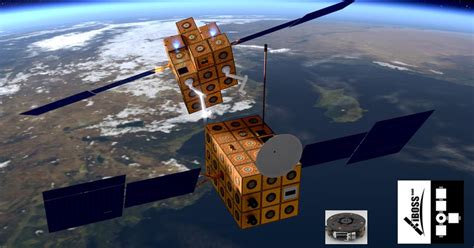
This forward-looking model draws directly from the sustainability ethos of “reduce, reuse, and recycle”, but adapted for the harsh and unforgiving conditions of low Earth orbit. By embedding circularity into the design of space missions from the start, scientists believe we can create a sustainable loop where retired hardware is harvested, refurbished, and reassembled into new tools for exploration and communication.
The Mechanics of In-Orbit Reuse
To make this vision reality, materials science, robotics, and spacecraft design must undergo foundational transformation. As described by senior researcher Jin Xuan, it’s not just about building smarter satellites — it’s about developing a full ecosystem where materials can be recovered and re-integrated in space. The process would involve:
- Designing spacecraft with recyclable alloys and polymers.
- Ensuring that modules and subsystems are accessible for disassembly.
- Creating interoperable designs, so parts from one satellite can function in another.
- Equipping space stations with robotic arms, collection nets, and reprocessing units capable of capturing and transforming old components.
This is no longer theoretical. Some early prototypes and technology demonstrations, such as orbital robotic servicing units and automated satellite docking, already exist. The key challenge lies in scaling these systems, standardizing components, and aligning engineering across multiple private and governmental agencies.
From Junkyard to Factory: Redefining the Role of Space Stations
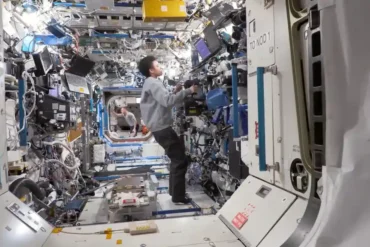
Under this vision, space stations — both existing ones like the ISS and future private orbital platforms — would serve as hub factories. Instead of relying solely on Earth-bound manufacturing, space stations would harvest materials from decommissioned satellites and repurpose them on-site. This approach offers multiple advantages:
- Reduces the need for costly, fuel-intensive launches from Earth.
- Minimizes additional debris generation, as each mission uses its own lifecycle.
- Speeds up mission readiness, with parts manufactured closer to operational zones.
As space becomes more crowded, Earth’s orbit risks transforming into a junkyard of expired technology, posing collision risks and rendering entire orbits unusable. The proposed circular system could flip this narrative, making orbital debris an asset rather than a liability.
Technological and Political Challenges Ahead
While technically plausible, the proposal is not without major challenges. Capturing fast-moving objects in orbit, even if they’re pre-designed for collection, requires advanced guidance systems, AI navigation, and autonomous robotics. The legal landscape is equally murky. Space debris ownership is governed by international treaties, making the reuse of another nation’s satellite components a diplomatically sensitive issue.

Moreover, this shift will require space agencies, manufacturers, and commercial operators to collaborate on shared standards, data protocols, and end-of-life mission planning. Modular spacecraft design must become the norm, not the exception — a tall order in a competitive commercial space race where proprietary designs dominate.
A Sustainable Future in the Final Frontier
Despite the hurdles, the vision of an orbiting ecosystem of sustainable infrastructure offers a compelling roadmap for space’s future. As humanity expands its presence beyond Earth, we cannot afford to replicate the patterns of exploitation and neglect that have scarred our planet. Instead, we must view each mission, each component, as part of an ongoing cycle — one that evolves with every launch and every innovation.
The circular space economy isn’t just a scientific proposal — it’s a call for responsible stewardship in the cosmos. Through modular design, robotic recovery, and orbital manufacturing, we may finally find a way to clean up the mess we’ve made in the skies, not by collecting trash, but by giving it new life.