Singapore’s entry into the elite group of F-35 operators marks a strategic shift that resonates far beyond the city-state’s borders. With first deliveries scheduled for 2026, the Republic of Singapore Air Force is preparing to integrate one of the most advanced combat aircraft ever fielded, signaling a decisive leap in airpower, deterrence, and regional interoperability.
A Landmark Moment for Singapore’s Airpower
The 2026 Singapore Airshow offered a clear preview of what lies ahead. Among the most closely watched aircraft on display was the Lockheed Martin F-35 Lightning II, flown in by the Royal Australian Air Force. Its presence was more than a demonstration flight; it was a statement of alignment. As Singapore awaits its own stealth fighters, the aircraft’s appearance underscored the reality that the RSAF is about to join a tightly knit operational ecosystem shared by the United States and its closest Pacific allies.
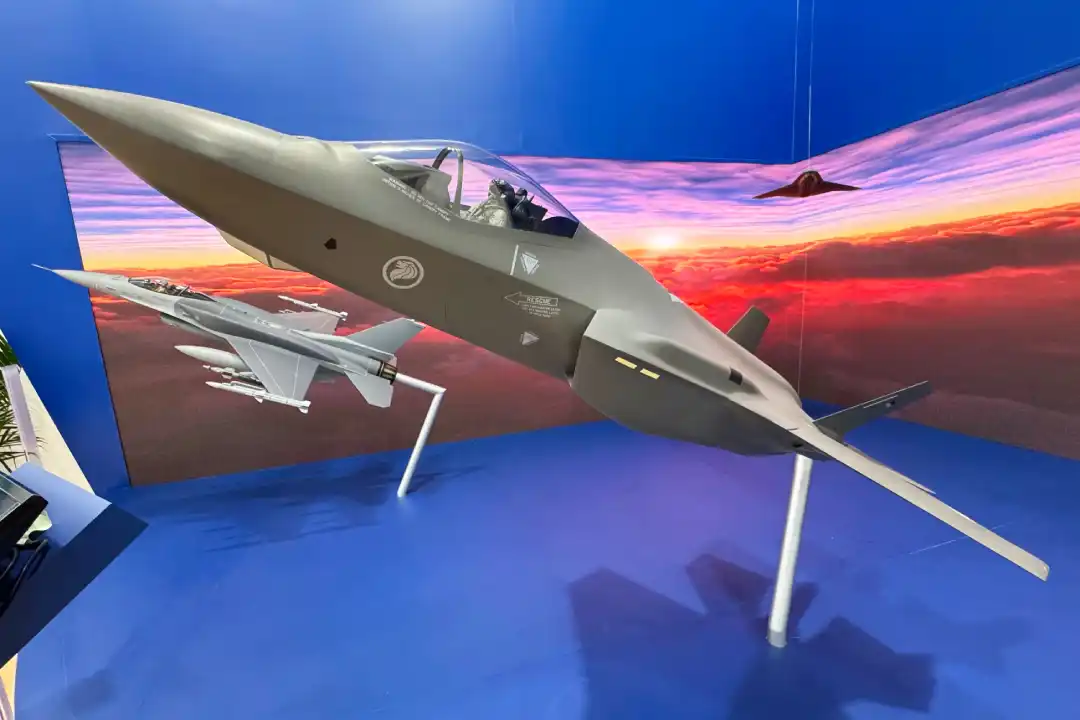
Singapore has been part of the F-35 Joint Strike Fighter program since 2003, a long-term investment that is now reaching operational fruition. The country’s confirmed acquisition of 12 F-35B short takeoff and vertical landing variants, complemented by eight F-35A conventional takeoff variants, represents a carefully calibrated force structure rather than a symbolic purchase. This mix allows Singapore to exploit both flexibility and reach within its limited geographic footprint.
From Legacy Fighters to Fifth-Generation Dominance
For decades, the General Dynamics F-16 Fighting Falcon formed the backbone of Singapore’s combat aviation. While continuously upgraded, the platform belongs to a different era of warfare. The arrival of the F-35 introduces true fifth-generation capabilities into the RSAF for the first time, reshaping how air operations will be planned and executed.
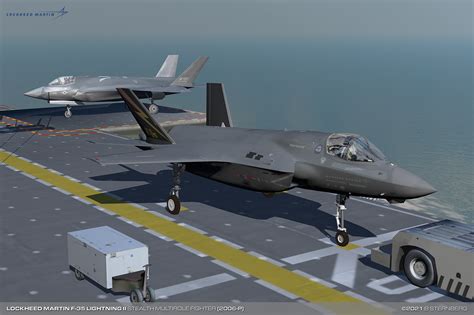
Unlike legacy fighters, the F-35 is designed around information dominance. Its sensor fusion, advanced radar, distributed aperture system, and electronic warfare suite create a single, coherent picture of the battlespace. Pilots are no longer just flying aircraft; they are commanding airborne data nodes capable of sharing targeting information seamlessly with allied aircraft, ships, and ground forces. In practical terms, this means Singapore gains the ability to detect, track, and engage threats long before being detected itself.
Why the F-35B Matters in a Constrained Geography
The decision to prioritize the F-35B “jump jet” carries particular significance for Singapore. With limited land area and highly concentrated infrastructure, operational resilience is a constant concern. The F-35B’s vertical landing capability introduces options that conventional fighters simply cannot offer.
In crisis scenarios, aircraft can disperse away from traditional runways, operating from short or improvised surfaces, including reinforced roadways. This flexibility complicates enemy targeting and dramatically improves survivability. For a nation where strategic depth is measured in kilometers, this capability is not a luxury; it is a necessity.
Deepening Interoperability Across the Pacific
Singapore’s F-35 acquisition does not exist in isolation. Australia currently fields 72 F-35s, while Japan has committed to 147 aircraft across A and B variants, positioning itself to become the largest operator in the region after the United States. South Korea’s order of 60 F-35As further expands the regional fleet, bringing the total among US-aligned Pacific air forces close to 300 aircraft.
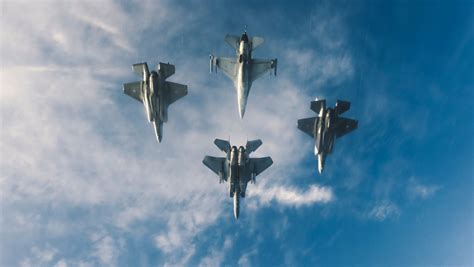
This shared platform enables unprecedented levels of interoperability. Common training standards, shared logistics, and real-time data exchange allow multinational formations to operate as a single, integrated force. For Singapore, this means its relatively small fleet can punch far above its weight when operating alongside allied air and naval forces.
Strategic Signaling and Regional Deterrence
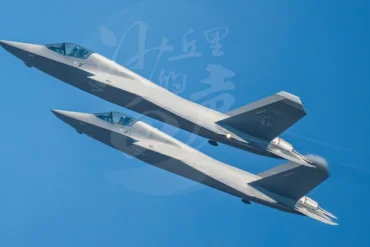
The timing of Singapore’s F-35 induction is not accidental. China’s rapid expansion of its own stealth fleet, led by the Chengdu J-20 Mighty Dragon, has altered the regional balance. Estimates suggest more than 300 J-20s are already in service, with the Shenyang J-35 poised to add a carrier-capable stealth dimension to China’s growing blue-water navy.
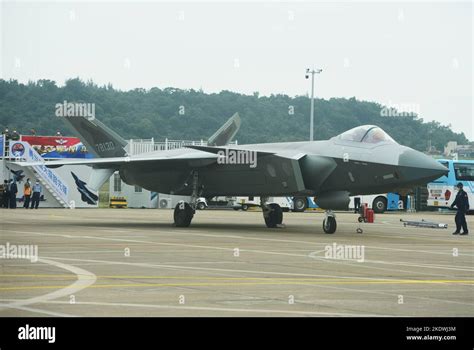
These aircraft are optimized to challenge high-value assets such as aerial refueling tankers, airborne early warning platforms, and command-and-control nodes. The spread of F-35s across allied forces directly counters this strategy by dispersing sensing and strike capabilities across a resilient, networked fleet. In this context, Singapore’s participation strengthens collective deterrence rather than escalating regional tensions.
Political Commitment Backed by Industrial Reality
Singapore’s leadership has been explicit about the long-term nature of this commitment. During a 2025 visit to the F-35 production facility in Fort Worth, Texas, Defence Minister Chan Chun Sing emphasized that the program represents a sustained partnership involving industry, governments, and military operators. This approach reflects Singapore’s broader defense philosophy: capability development is treated as an ongoing process, not a one-off procurement.
The global F-35 program is expected to produce around 3,000 aircraft, serving 19 allied nations. This scale ensures continuous upgrades, shared innovation, and long-term sustainability. For Singapore, it also guarantees access to the evolving technological edge that defines modern air combat.
A Calculated Step Into the Future
Singapore’s entry into the F-35 community is best understood as a calculated, deeply strategic move rather than a headline-grabbing purchase. It modernizes the RSAF, embeds the nation within a powerful allied network, and provides credible deterrence in an increasingly contested region. When the first stealth jets touch down in 2026, they will symbolize more than technological progress; they will represent Singapore’s clear-eyed assessment of the future security environment and its determination to remain ahead of it.