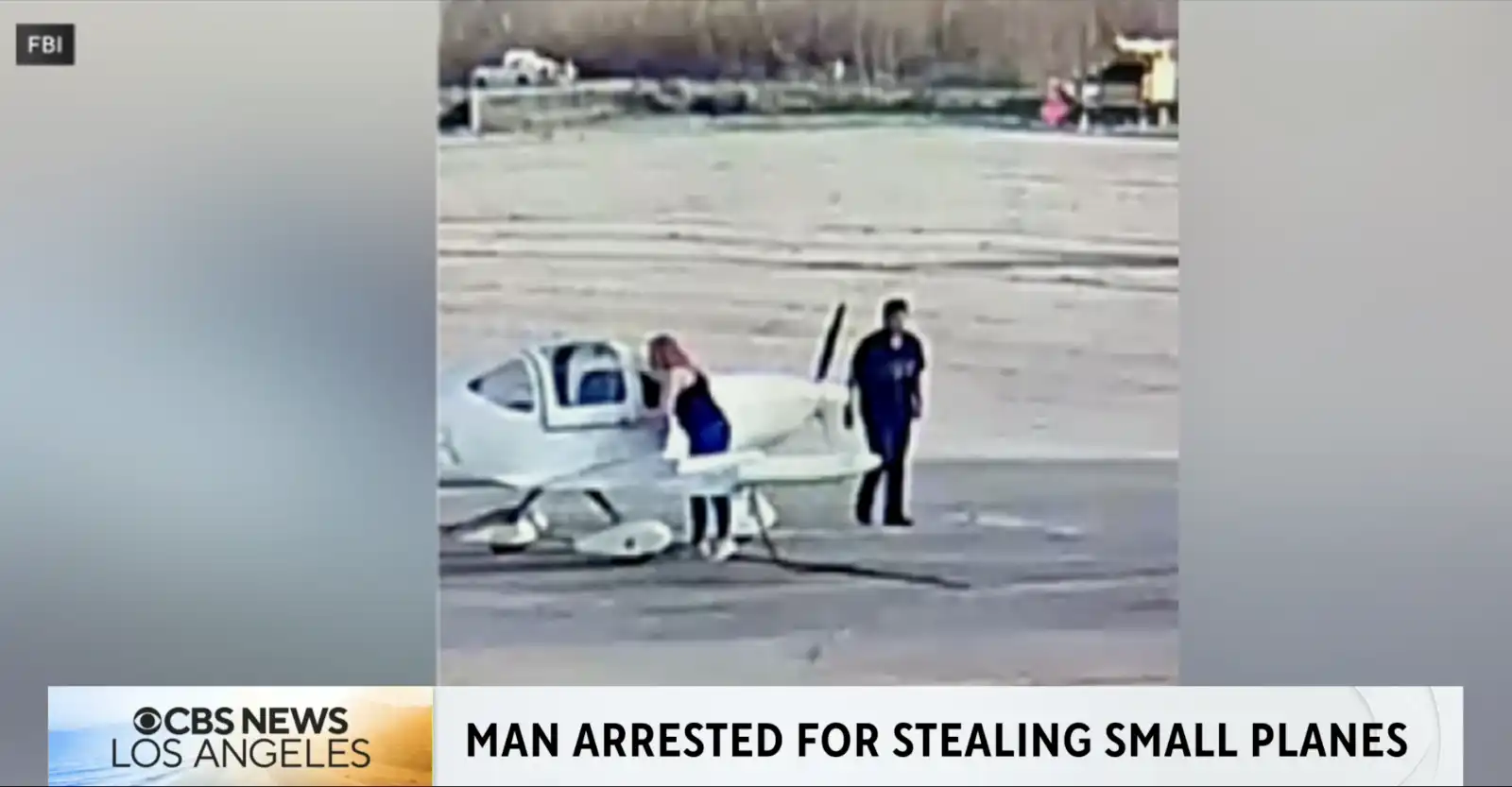
Federal investigators say a stolen single-engine aircraft crossed state lines under deliberately obscured conditions, exposing uncomfortable truths about general aviation security and airspace safety. The case centers on a California man and his girlfriend who allegedly took an unsecured airplane from Auburn Municipal Airport in Washington and flew it south while manipulating its transponder, effectively flying “dark” through some of the most complex airspace in the United States.
According to the FBI, the aircraft vanished from normal surveillance shortly after departure on January 3, 2026. Without a functioning transponder signal, air traffic controllers could not reconstruct the exact route, altitude profile, or interaction with other aircraft. What remained were scattered visual sightings and fragments of primary radar returns, an aviation version of footprints fading in sand.
The situation escalated when investigators learned that the suspect, 39-year-old Christian Estoque of Pomona, California, was allegedly not a licensed pilot and later admitted to being under the influence of methamphetamine during the flight. The airplane was eventually found at Corona Municipal Airport on January 6, ending the airborne mystery but opening a deeper investigation into how easily a general aviation aircraft can be taken and flown undetected.
A Flight That Slipped Through the Cracks
Federal filings describe a departure that should have been routine but quickly became anomalous. The aircraft was reported stolen from Auburn Municipal Airport, a public facility typical of hundreds across the country where private planes are parked in relatively open environments. Investigators believe Estoque and his girlfriend departed together, then interfered with the transponder to avoid continuous tracking. By January 4, the aircraft was physically observed on the ground in Kelso, Washington, confirming it had traveled at least part of the route without reliable electronic identification.
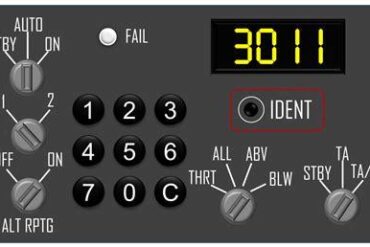
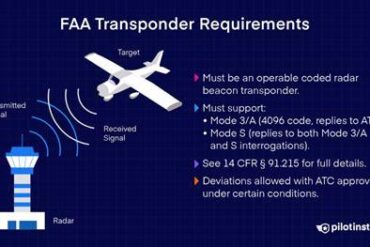
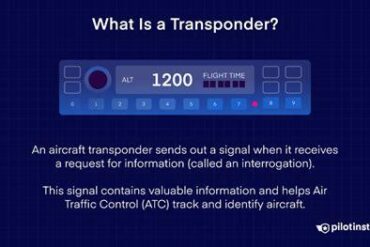
From an air traffic control perspective, this kind of flight creates a visibility gap. Controllers rely on transponder data not only to see an aircraft’s position, but also its altitude and unique code. Remove that signal, and separation becomes guesswork supported only by primary radar and pilot reports from others in the sky.
Why Flying “Dark” Is So Dangerous
Flying with a disabled or manipulated transponder is not simply a privacy issue; it strips away multiple layers of safety. In busy regions like Southern California, traffic alert and collision avoidance systems depend on transponder replies. When those replies vanish, nearby pilots lose automated warnings, and controllers lose precision. The airspace does not become empty just because one aircraft goes quiet.
The danger compounds when the person at the controls lacks formal training. Aviation safety is built on standardized procedures, predictable behavior, and clear communication. Alleged impairment from methamphetamine further erodes those foundations, introducing delayed reactions, impaired judgment, and increased risk-taking into an already fragile situation.
Recovery and a Second Arrest Attempt
Authorities located the stolen aircraft at Corona Municipal Airport on January 6, bringing the flight itself to an end. The investigation, however, did not stop there. On January 27, FBI agents conducting surveillance at the same airport reportedly watched Estoque enter another aircraft, one that had not been registered since 2017. When he attempted to start the engine, agents intervened and arrested him on the spot.
He appeared in federal court on January 29 and was later released on bond as the case proceeds. The attempted use of an unregistered aircraft added another layer of concern, highlighting how paperwork irregularities can intersect with physical access to create serious vulnerabilities.
Security Gaps at Municipal Airports
This incident underscores a long-standing tension in general aviation: accessibility versus security. Municipal airports are designed to be welcoming to pilots, mechanics, and owners, but that openness can be exploited. In many cases, security guidance emphasizes basic steps such as locking aircraft and securing keys, rather than hardened perimeter controls.
Regulators now face pressure to consider baseline hardening measures that do not cripple everyday operations. Improved lighting, targeted camera coverage, better gate controls, and stronger coordination with local law enforcement could deter opportunistic theft without turning small airports into fortresses.

Lessons for Airspace Monitoring and Enforcement
Beyond physical security, the case raises questions about how quickly transponder anomalies are detected and shared across jurisdictions. An aircraft that goes silent should trigger rapid information flow between air traffic facilities, law enforcement, and airport operators. Faster correlation of sightings, radar data, and airport surveillance could shorten response times when something feels wrong.
The alleged Auburn-to-Corona flight is a reminder that aviation safety is not only about technology, but about layers. When access control fails, oversight matters more. When oversight fails, detection matters more. Remove too many layers at once, and even a small airplane can become a large problem. The industry’s challenge now is to reinforce those layers before the next flight disappears from the screen globally.