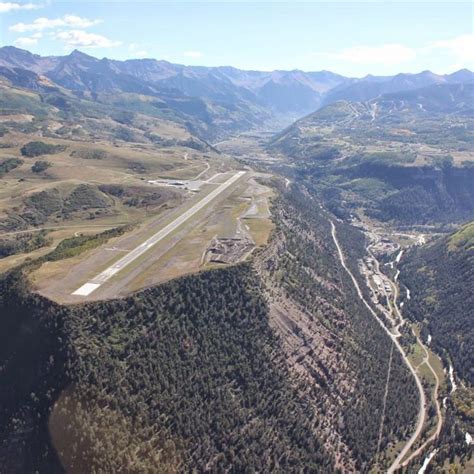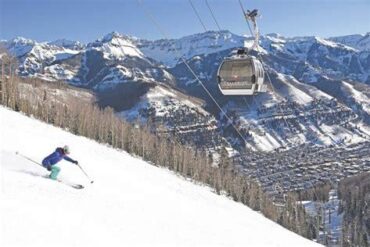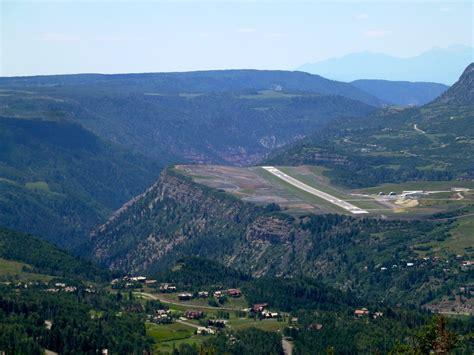
Nestled at an awe-inspiring elevation of 9,078 feet, Telluride Regional Airport (TEX) holds the distinction of being the highest commercial airport in North America offering scheduled passenger service. Located six miles west of Telluride, Colorado, in the rugged expanse of San Miguel County, TEX isn’t merely a transportation hub—it’s a marvel of engineering and perseverance, bridging some of the most remote and breathtaking terrain in the American Rockies.
An Airport on the Edge of the Sky
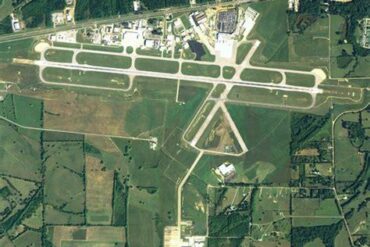
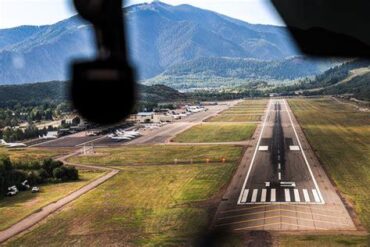
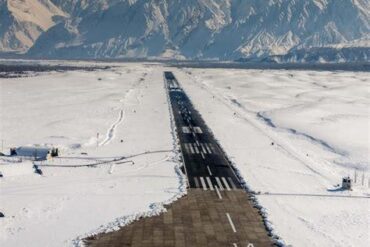
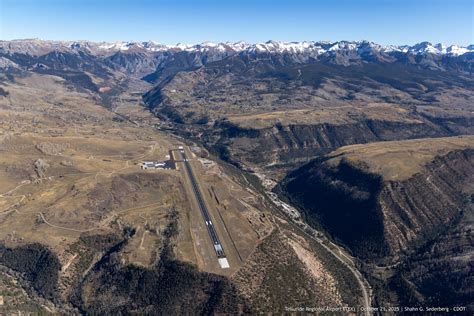
Telluride Regional Airport’s extreme elevation, perched atop a mesmerizing plateau with sheer 1,000-foot drops, makes it one of the most visually stunning and technically challenging airports in the United States. Its lone runway, 9/27, stretches 7,111 feet long and 100 feet wide, surrounded by terrain exceeding 14,000 feet in elevation. Despite modern renovations, including the 2009 leveling of the runway’s central dip, pilots approaching TEX require extraordinary skill due to unpredictable winds, sudden snow, and a terrain-induced microclimate.
Unlike many regional airports, TEX doesn’t operate in a vacuum of simplicity—it demands constant vigilance. Flying into Telluride is not just a route; it’s a ritual of precision aviation. In winter, approximately 20% of flights face diversions due to the volatility of landing conditions. Nevertheless, this unpredictability hasn’t deterred a loyal cadre of private jet users, seasonal tourists, and mountain-bound adventurers from utilizing this sky-high gateway.
Strategic Renovation and Engineering Triumph
A $24 million renovation project between April and November of 2009 fundamentally transformed Telluride Regional Airport’s safety and usability. The work wasn’t merely cosmetic. Engineers lowered the western end of the runway by 30 feet and the eastern end by 14 feet, effectively flattening the notorious dip and enabling smoother, safer landings. Additionally, the airport extended its safety areas and installed a state-of-the-art EMAS (Engineered Materials Arrestor System)—a critical safety net designed to halt aircraft that overrun the runway, thus enhancing TEX’s ability to support larger aircraft.
These engineering feats were not optional luxuries. They were vital responses to the airport’s intrinsic geographical limitations. By strategically modifying the airfield, Telluride not only retained its relevance in modern aviation but also expanded its operational viability.
Commercial Air Service at the Edge
Throughout its history, commercial service at TEX has been as volatile as its winter weather. From its beginnings in 1985 with Mesa Airlines, offering flights to Albuquerque and Denver, the airport has seen a carousel of carriers come and go. During the golden age of regional air service, Rocky Mountain Airways, Monarch Airlines, and SkyWest each tried their hand at delivering passengers to the secluded valley.
In recent years, Denver Air Connection has emerged as the linchpin of scheduled service at TEX. This carrier operates the Fairchild-Dornier 328JET, a regional jet aircraft specially suited for high-altitude operations. As of the latest statistics, Denver Air Connection holds a 100% market share, transporting over 21,000 passengers between Telluride and two key destinations: Denver and Phoenix-Sky Harbor.
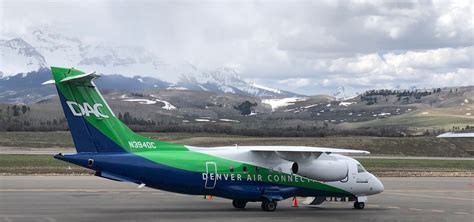
This exclusive partnership has proven reliable, offering year-round service with only minor seasonal interruptions, thus solidifying TEX’s role as a dependable entry point into the San Juan Mountains.
General Aviation: The Lifeblood of TEX
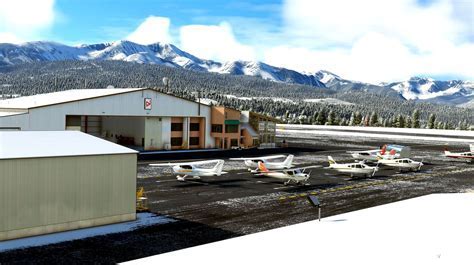
While commercial flights are limited, general aviation accounts for 99% of all aircraft operations at Telluride. Private jets, helicopters, gliders, and single-engine aircraft frequent the airport daily, with operations averaging 26 flights per day. Of the 27 aircraft based at TEX, a majority are single-engine planes, reflecting the strong presence of private pilots and mountain enthusiasts in the region.
These general aviation flights are not simply leisure endeavors—they are often critical for regional access, air ambulance services, and executive travel. The airport’s ability to accommodate a wide range of aircraft, despite its topographical constraints, speaks volumes about the efficiency of its operations and design.
Connectivity to the Region: Beyond TEX
For travelers unable to land directly in Telluride due to weather or schedule, alternative airports like Montrose Regional Airport (MTJ), Durango-La Plata County Airport (DRO), and Grand Junction Regional Airport (GJT) provide secondary entry points. These hubs offer broader commercial service, including connections from major carriers, making the Telluride region accessible from almost anywhere in the United States with a modest transfer.
However, Telluride Regional Airport remains the most direct option for those seeking an immediate plunge into the town’s alpine charm. The experience of descending directly into this mountain amphitheater, especially aboard a sleek jetliner, is unmatched in its visual drama.
Historical Legacy of Innovation and Persistence
The story of Telluride Regional Airport is not just a list of flights and runways—it is a narrative of persistence in the face of physical extremes. The airport’s ability to sustain commercial service has weathered the ebbs and flows of airline economics, fuel prices, and federal regulatory shifts. From de Havilland Dash 7s to Embraer EMB-120 Brasilias, the variety of aircraft that have called TEX home reads like a timeline of regional aviation history.
The high-altitude challenge hasn’t deterred innovation. In fact, TEX has frequently led the charge in adapting aviation technology to mountain operations, serving as a proving ground for aircraft and airlines willing to take on the challenge. Its success is a direct result of intelligent infrastructure investment, resilient leadership by the Telluride Regional Airport Authority, and the unrelenting demand from a community that thrives on being remote.
Media Fame and Simulated Glory
Telluride’s dramatic location hasn’t gone unnoticed by pop culture. The airport is featured in Microsoft Flight Simulator X, in a mission aptly named “Telluride Landing,” where players attempt to land a Learjet 45 under realistic conditions. Additionally, the British series The Grand Tour filmed an episode at TEX, showcasing high-speed Jaguar cars racing along the runway—punctuating the airfield’s reputation as a stage for adrenaline and adventure.

These appearances have bolstered Telluride Regional Airport’s image as more than just a transit point. It is a destination in itself, both virtually and in the real world.
Conclusion: A Rarefied Runway Worth the Journey
Operating at the intersection of altitude and ambition, Telluride Regional Airport is a triumph of logistics over nature. It is the beating heart of aviation in a town known for its exclusivity, dramatic scenery, and untouched wilderness. Whether welcoming ski tourists in winter or outdoor enthusiasts in summer, TEX delivers a first impression unlike any other.
Despite its size and operational challenges, Telluride Regional Airport continues to punch far above its weight. It proves that with enough vision and adaptation, even the most improbable airfields can soar.