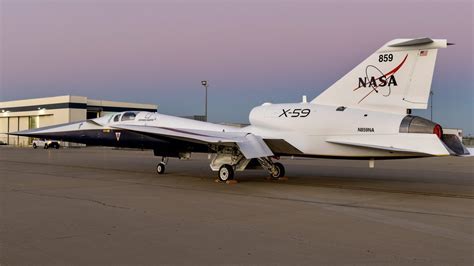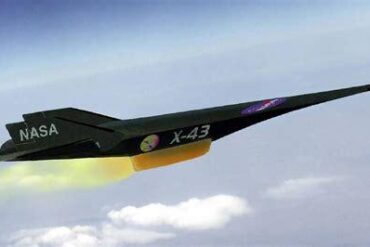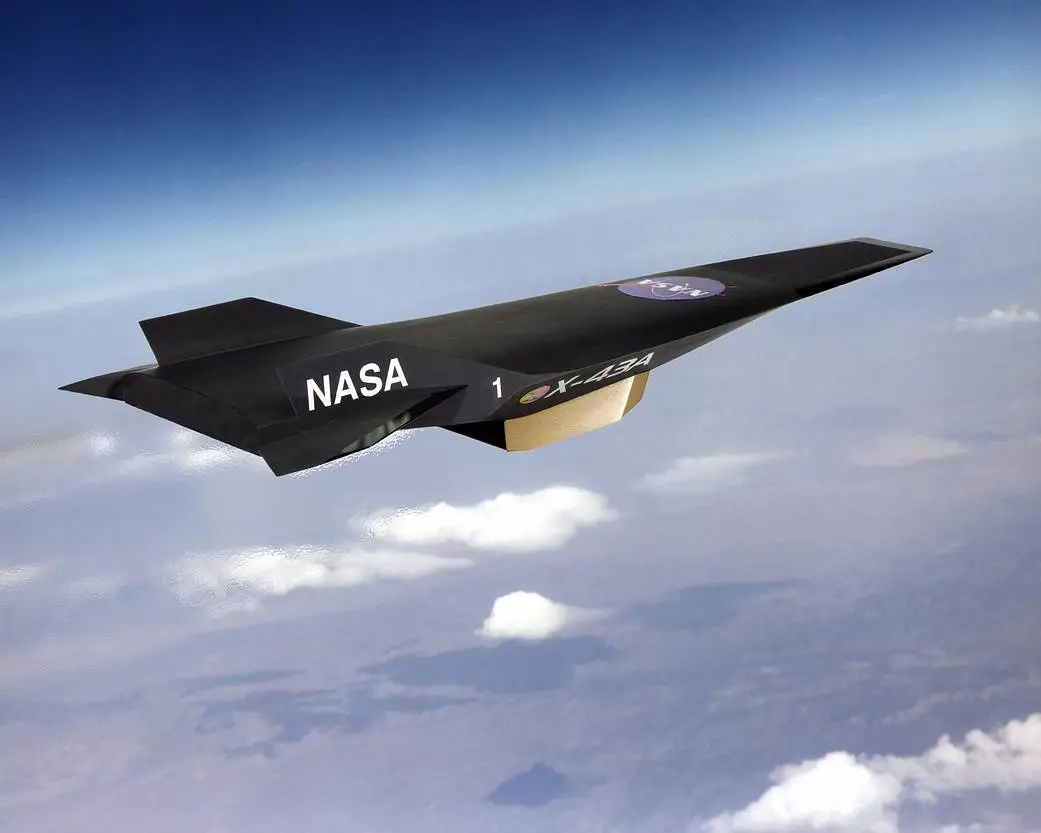
What’s the fastest plane in the world today? That title goes to the unmanned NASA X-43, which reached an unbelievable Mach 9.6. To put that into perspective, it’s nearly 7,300 mph—fast enough to cross the U.S. in under 25 minutes.
If you’re fascinated by the science of speed, you’re in the right place. From Cold War jets to futuristic prototypes, we’ve gathered 25 of the fastest planes ever built. And if you’re wondering about the fastest manned aircraft? That honor goes to the North American X-15, which hit Mach 6.72 back in 1967.
Aviation has always been a race to outpace the limits—whether through altitude, efficiency, or raw velocity. Each of the aircraft below represents a major breakthrough in aerospace history.
Let’s take off into a timeline of the fastest planes ever built—from 1947 to 2029.
✈️ Quick Look: World’s Fastest Planes by Era
Supersonic Pioneers (1940s–1960s)
- 1. Bell X-1 (1946)
- 2. MiG-15 (1949)
- 3. English Electric Lightning (1954)
- 4. Convair B-58 Hustler (1956)
- 5. MiG-21 (1959)
- 6. North American X-15 (1959)
Cold War Marvels (1960s–1980s)
- 7. Dassault Mirage III (1961)
- 8. MiG-25 Foxbat (1964)
- 9. XB-70 Valkyrie (1964)
- 10. SR-71 Blackbird (1966)
- 11. F-111 Aardvark (1967)
- 12. MiG-23 Flogger (1970)
- 13. F-14 Tomcat (1974)
- 14. Concorde (1976)
- 15. F-15 Eagle (1976)
Modern Innovators (1980s–2020s)
- 16. MiG-31 Foxhound (1979)
- 17. MiG-29 Fulcrum (1983)
- 18. F/A-18 Hornet (1983)
- 19. Su-27 Flanker (1985)
- 20. Dassault Rafale (2001)
- 21. NASA X-43 (2004)
- 22. F-22 Raptor (2005)
- 23. Chengdu J-20 (2011)
- 24. Su-57 Felon (2019)
Future of Flight
- 25. Boom Supersonic Overture (expected 2029)
? Where Were the Fastest Planes Built?
The United States leads the way, producing 12 of the 25 fastest aircraft in history. The Soviet Union follows with 7 entries, while other countries like the United Kingdom, France, and China have contributed standout designs of their own. Some projects were even the result of international collaboration.
? Supersonic Pioneers (1940s–1960s)
1. Bell X-1 (1946) – Breaking the Sound Barrier
The Bell X-1 became the first aircraft to fly faster than the speed of sound. Piloted by Chuck Yeager in 1947, it hit Mach 1.06 at an altitude of 45,000 feet. The aircraft, nicknamed “Glamorous Glennis,” was rocket-powered and resembled a bullet with wings.
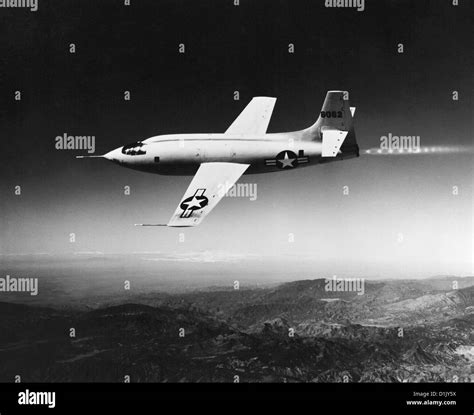
This breakthrough showed that sonic barriers could be overcome with the right propulsion and design, marking the beginning of a new age in aviation.
Quick Specs
- Speed: Mach 1.06 (700 mph)
- Manufacturer: Bell Aircraft
- Country: United States
2. MiG-15 (1949) – Soviet Jet Dominator
The MiG-15, introduced by the Soviet Union just after WWII, quickly earned a fierce reputation. It reached 670 mph, thanks to its swept-wing design. During the Korean War, it clashed with U.S. jets like the F-86 Sabre.
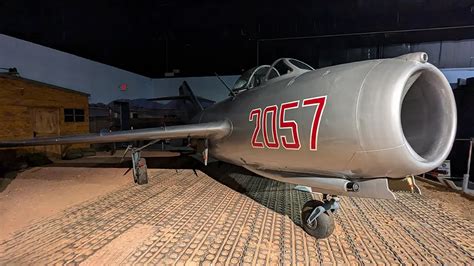
It was one of the first jets to show that aerodynamic design mattered as much as raw thrust in air combat.
Quick Specs
- Speed: 670 mph
- Manufacturer: Mikoyan-Gurevich
- Country: Soviet Union
3. English Electric Lightning (1954) – UK’s Supersonic Star
The UK’s English Electric Lightning was fast—very fast. It was the first British jet to exceed Mach 2, making it an essential interceptor during the Cold War.
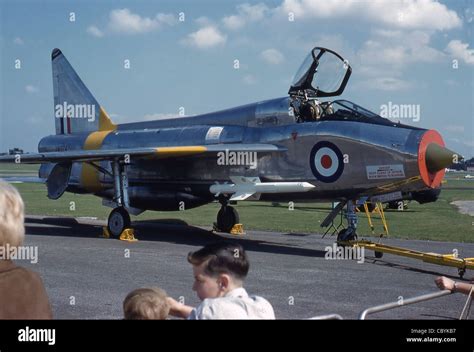
Its vertical climb capability and twin stacked engines made it an iconic plane that remained in service for over 30 years.
Quick Specs
- Speed: Mach 2.0
- Manufacturer: English Electric
- Country: United Kingdom
4. Convair B-58 Hustler (1956) – The Supersonic Bomber
The B-58 Hustler was the world’s first bomber to maintain Mach 2 during sustained flight. Designed for nuclear missions, it had a sleek delta-wing profile and four General Electric engines.
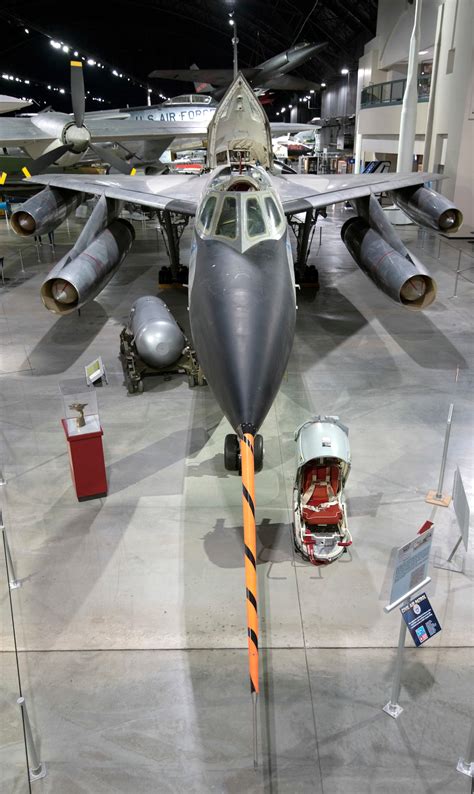
Its supersonic speed and advanced navigation systems allowed it to bypass Soviet radar and defenses.
Quick Specs
- Speed: Mach 2.0
- Manufacturer: Convair
- Country: United States
5. MiG-21 (1959) – The World’s Most Produced Supersonic Jet
Nicknamed “Fishbed” by NATO, the MiG-21 is one of the most widely used jet fighters ever built. It hit speeds of Mach 2.05 and saw action across the globe—from Vietnam to the Middle East.
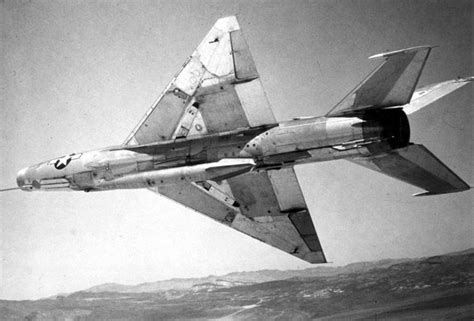
Its affordability, simplicity, and performance made it a go-to fighter for over 60 nations.
Quick Specs
- Speed: Mach 2.05
- Manufacturer: Mikoyan-Gurevich
- Country: Soviet Union
6. North American X-15 (1959) – The Hypersonic Rocket Plane
The X-15 holds the record for the fastest manned aircraft in history, reaching Mach 6.72. This rocket-powered plane flew to the edge of space, with missions reaching altitudes of 67 miles.
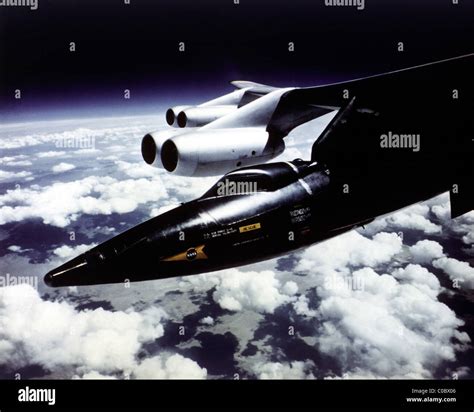
Pilots like Neil Armstrong and Joe Walker gained crucial experience here before heading to NASA space missions.
Quick Specs
- Speed: Mach 6.72
- Manufacturer: North American Aviation
- Country: United States
?️ Cold War Marvels (1960s–1980s)
7. Dassault Mirage III (1961) – France’s Supersonic Leap
The Mirage III marked France’s debut into the world of Mach 2 fighters. With its sleek delta-wing design, it excelled in both interception and ground attack. It became especially famous during the Six-Day War, where Israeli pilots flying Mirages achieved high kill ratios.
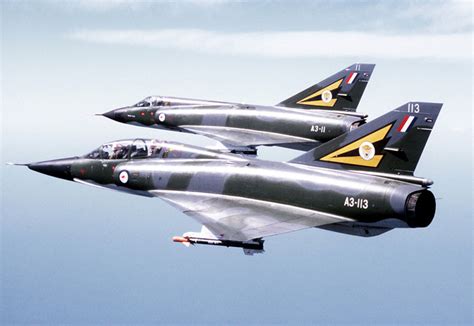
The Mirage series became one of the most exported European fighters of all time.
Quick Specs
- Speed: Mach 2.2
- Manufacturer: Dassault Aviation
- Country: France
8. MiG-25 Foxbat (1964) – The Speed Demon Interceptor
Built to counter the SR-71, the MiG-25 was designed for speed and altitude. It could reach Mach 3.2, but doing so risked engine failure. Still, it scared Western analysts when first spotted.
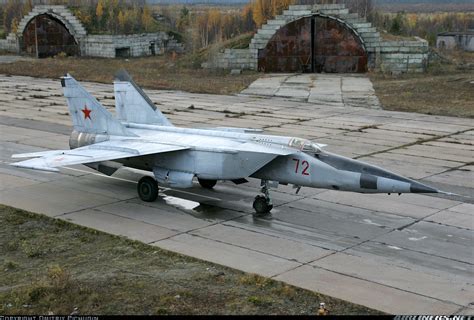
It was made almost entirely of stainless steel and could fly at altitudes over 80,000 feet.
Quick Specs
- Speed: Mach 3.2 (limited to Mach 2.83 in service)
- Manufacturer: Mikoyan-Gurevich
- Country: Soviet Union
9. XB-70 Valkyrie (1964) – The Supersonic Giant
The XB-70 Valkyrie was a six-engine bomber designed to cruise at Mach 3. Only two prototypes were built due to the rise of ICBMs and the cost of the program. One was destroyed in a mid-air collision.
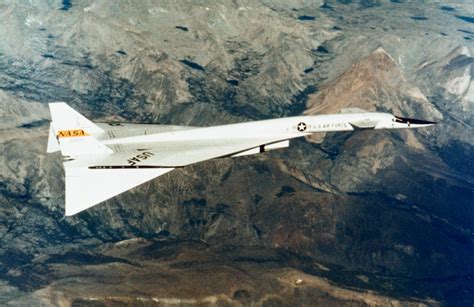
Though it never entered service, it remains one of the most powerful and elegant planes ever built.
Quick Specs
- Speed: Mach 3.1
- Manufacturer: North American Aviation
- Country: United States
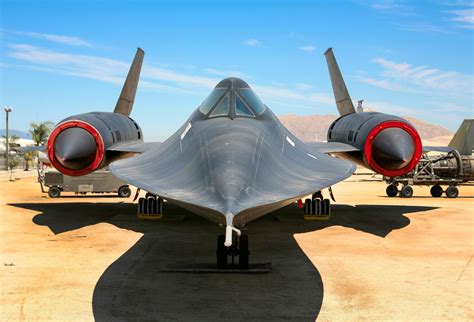
10. Lockheed SR-71 Blackbird (1966): The Jet That Outran Missiles
The SR-71 Blackbird wasn’t just fast—it was record-shattering. Developed by Lockheed’s Skunk Works, this stealthy reconnaissance aircraft could fly over 85,000 feet high and reach speeds of Mach 3.3. Designed during the Cold War, it gathered intelligence at speeds and altitudes no other aircraft could match. Its sleek black frame, made mostly of titanium, withstood extreme heat from air friction, a problem engineers solved by pioneering new thermal protection techniques.
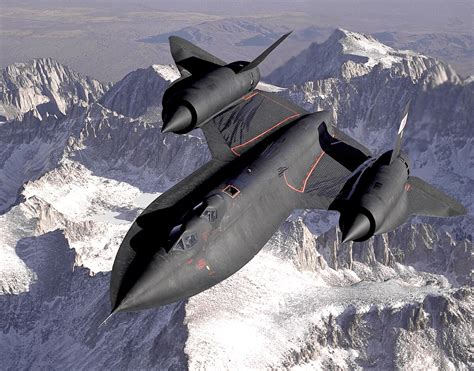
The Blackbird avoided radar detection by flying fast and high, often outrunning surface-to-air missiles. Even decades after its retirement, it holds the world record for fastest air-breathing manned aircraft. With its dual-cockpit variant used by NASA for training, the SR-71 remained an icon of innovation, speed, and precision. Its contribution to surveillance and aerospace engineering continues to influence satellite technology and modern drone systems.
At a Glance:
- Length: 107 ft 5 in (32.74 m)
- Wingspan: 55 ft 7 in (16.94 m)
- Height: 18 ft 6 in (5.64 m)
- Manufacturer: Lockheed Skunk Works
- Country of Origin: United States
- Top Speed: Mach 3.3
11. General Dynamics F-111 Aardvark (1967): Supersonic Power with a Flexible Wing
The F-111 Aardvark was a breakthrough in strike aircraft design, featuring a swing-wing system that allowed it to shift between low-speed control and high-speed performance. It reached speeds of Mach 2.5, making it one of the fastest tactical bombers of its time. Designed for deep-penetration missions, the F-111 carried a heavy payload and had the range to reach targets far behind enemy lines.
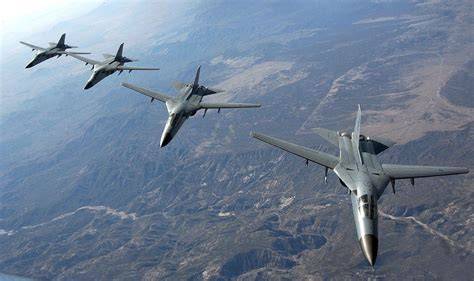
What made the Aardvark unique was its ability to fly low under radar thanks to terrain-following radar systems. It was also equipped with a two-person crew, improving mission control and targeting. The F-111 proved itself in the Vietnam War, Gulf War, and beyond, with precision strikes that made it a powerful tool for both the U.S. and allied air forces like Australia.
At a Glance:
- Length: 73 ft 6 in (22.4 m)
- Wingspan: 63 ft (19.2 m) extended / 31 ft 11 in (9.75 m) swept
- Height: 17 ft (5.2 m)
- Manufacturer: General Dynamics
- Country of Origin: United States
- Top Speed: Mach 2.5
12. Mikoyan MiG-23 Flogger (1970): Soviet Swing-Wing Supremacy
The MiG-23 Flogger was the Soviet Union’s answer to Western multirole fighters. Its swing-wing design gave it the versatility to take off quickly with high lift and then fly fast and far at supersonic speeds. It could reach Mach 2.35, making it a formidable interceptor in the 1970s and 1980s. With a powerful Tumansky R-29 engine, the MiG-23 was agile and strong, able to perform in both offensive and defensive roles.
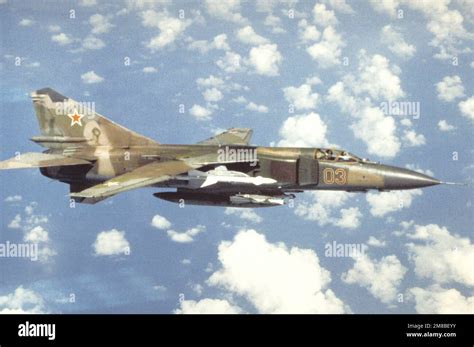
Equipped with infrared search-and-track (IRST) systems and radar-guided missiles, it could engage enemies in almost any weather. Pilots relied on its ejection seat and modern cockpit layout, while its hardpoints carried a wide range of missiles. It saw combat in several major conflicts, including the Iran-Iraq War and Gulf War, and influenced the designs of later aircraft like the MiG-27 and Su-24.
At a Glance:
- Length: 54 ft 8 in (16.7 m)
- Wingspan: 46 ft 11 in (14.3 m) extended / 26 ft 10 in (8.2 m) swept
- Height: 15 ft 6 in (4.82 m)
- Manufacturer: Mikoyan-Gurevich
- Country of Origin: Soviet Union
- Top Speed: Mach 2.35
13. Grumman F-14 Tomcat (1974): Carrier-Based Power and the Spirit of Top Gun
The F-14 Tomcat became a household name thanks to its starring role in Top Gun. But even without Hollywood, it was a powerhouse. This carrier-based fighter was built to defend fleets from incoming bombers and missiles at long range. It reached Mach 2.34 and featured variable-sweep wings for smooth landings on aircraft carriers and quick response in air combat.
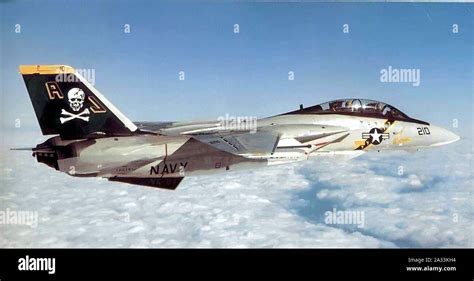
Equipped with the powerful AN/AWG-9 radar and AIM-54 Phoenix missiles, the Tomcat could track and engage targets over 100 miles away. Its two-person crew—pilot and radar intercept officer—coordinated in real-time, making it highly effective during complex missions. It also adapted to carry bombs during later missions in Iraq and Afghanistan, earning the nickname “Bombcat.”
At a Glance:
- Length: 62 ft 8 in (19.13 m)
- Wingspan: 64 ft 1 in (19.55 m) extended / 38 ft 2 in (11.59 m) swept
- Height: 16 ft (4.88 m)
- Manufacturer: Grumman
- Country of Origin: United States
- Top Speed: Mach 2.34
14. Concorde (1976): The Supersonic Passenger Jet That Turned Heads
The Concorde wasn’t just fast—it was a cultural icon. As the world’s first and only successful supersonic commercial jet, it cruised at Mach 2.04, flying from London to New York in under 3.5 hours. With its sharp nose and delta wings, the Concorde looked like something from the future. Flying at 60,000 feet, passengers saw the curvature of the Earth while sipping champagne.
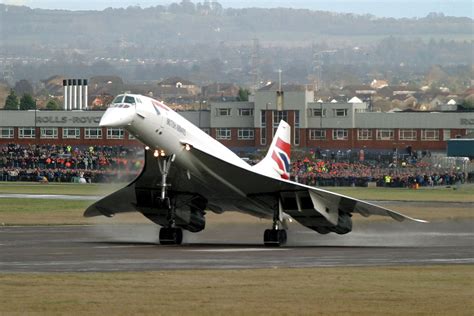
Powered by four Rolls-Royce/Snecma Olympus engines, it cut travel time in half for the wealthy elite who could afford the ride. Despite its success, the Concorde faced limitations—high costs, sonic boom restrictions, and fuel inefficiency. Its final flight was in 2003, but its sleek design and luxury service remain unmatched. Today, it inspires a new generation of supersonic travel startups.
At a Glance:
- Length: 202 ft 4 in (61.66 m)
- Wingspan: 84 ft (25.6 m)
- Height: 40 ft (12.19 m)
- Manufacturers: BAC (UK) and Aérospatiale (France)
- Country of Origin: United Kingdom and France
- Top Speed: Mach 2.04
15. McDonnell Douglas F-15 Eagle (1976) – Dominating the Skies with Power and Precision
In this shot taken by Staff Sgt. Samuel Rogers, Capt. Matt Buckner flies his F-15 Eagle during a patrol mission for Operation Noble Eagle in 2007. Assigned to the 71st Fighter Squadron at Langley Air Force Base, Virginia, Buckner represents just one of many pilots who’ve taken the legendary F-15 into action.
Since its introduction in 1976, the McDonnell Douglas F-15 Eagle has earned its title as one of the most respected fighter jets in history. Designed to establish air superiority, this twin-engine aircraft can fly at speeds up to Mach 2.5—about 1,650 mph (2,655 kph). It’s not just fast. It climbs like a rocket—up to 50,000 feet per minute—and outmaneuvers nearly every opponent in the sky.
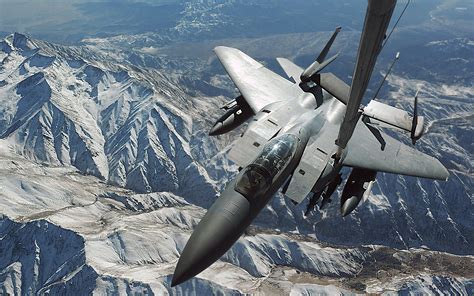
The Eagle’s radar system tracks and locks onto multiple targets at once, even at distances beyond visual range. It has over 100 aerial victories and has never lost in an air-to-air battle. That kind of record speaks for itself. And when it’s equipped as the F-15E Strike Eagle, the aircraft becomes a powerful ground-attack jet, too.
What’s kept the F-15 relevant for so long is its adaptability. Newer models, like the F-15EX, continue to roll out with state-of-the-art upgrades. While newer fighters have come and gone, the Eagle keeps soaring, proving that sometimes, legends really do last.
F-15 Eagle Fast Facts:
- Length: 63 ft 9 in (19.43 m)
- Height: 18 ft 6 in (5.64 m)
- Wingspan: 42 ft 10 in (13.05 m)
- Origin: United States
- Speed: Mach 2.5
- Manufacturer: McDonnell Douglas (now Boeing)
?️ Modern Innovators (1980s–2020s)
16. Mikoyan MiG-31 Foxhound (1979) – The High-Speed Arctic Interceptor
At the 1991 Paris Air Show, a Soviet MiG-31 Foxhound sat on display with its radome removed. Loaded with four AA-9 Amos missiles, two AA-8 Aphids, and a single AA-6 Acrid, this aircraft was clearly built for serious long-range interception.
The MiG-31 was developed to upgrade the older MiG-25 and features a maximum speed of Mach 2.83—that’s around 1,864 mph (3,000 kph). It’s designed to operate in harsh Arctic conditions and can track multiple high-speed targets at once. This makes it a crucial part of Russia’s northern air defense network.
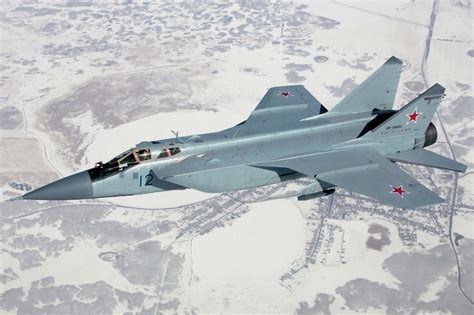
Its Zaslon phased-array radar can spot stealth aircraft and cruise missiles from over 200 miles (320 km) away. The two-person crew—pilot and weapons systems officer—helps handle its complex controls and combat systems efficiently.
The MiG-31 carries R-33 long-range missiles, designed to bring down fast and high-flying targets like bombers. Thanks to aerial refueling, it can stay airborne longer, covering massive areas of airspace. Despite being introduced in 1981, modern MiG-31BM variants keep it updated with new electronics, radar, and weaponry.
MiG-31 Foxhound Fast Facts:
- Length: 74 ft 2 in (22.69 m)
- Height: 20 ft 4 in (6.45 m)
- Wingspan: 45 ft 11 in (13.46 m)
- Origin: Soviet Union
- Speed: Mach 2.83
- Manufacturer: Mikoyan-Gurevich Design Bureau
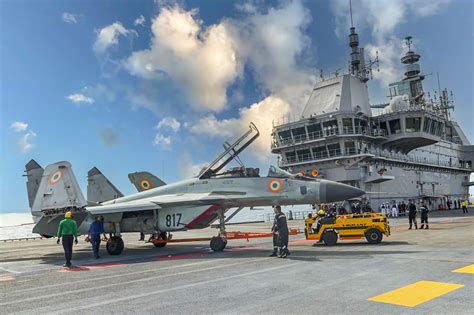
17. Mikoyan MiG-29 Fulcrum (1983) – The Agile Dogfighter with Global Reach
In 2000, a German Air Force MiG-29 waited on the Cold Lake flight line during Operation Maple Flag, a NATO training event in Canada. Originally developed by the Soviet Union, the MiG-29 Fulcrum quickly became one of the most iconic fighters of the Cold War.
This twin-engine jet was built to rival Western aircraft like the F-16, and it shows. With a top speed of Mach 2.25 (1,520 mph or 2,448 kph), it’s a quick and nimble dogfighter. The MiG-29’s Klimov RD-33 engines and lightweight frame give it rapid acceleration and impressive climbing power.
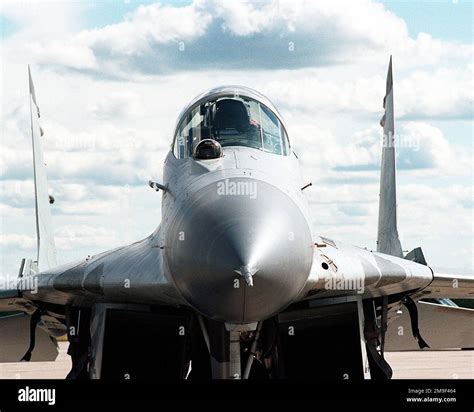
What sets it apart is its extreme agility. It can perform high-G maneuvers like the “Tail Slide,” where it momentarily flies backward—a rare skill that highlights its aerodynamic control. Its helmet-mounted sight system and advanced radar give pilots the ability to lock onto enemies quickly during close-range fights.
Armed with R-73 and R-77 missiles, the MiG-29 dominates in both short-range dogfights and longer-range attacks. Exported to over 25 countries, including India, Poland, and Serbia, it remains a global favorite. Modern versions like the MiG-29M and MiG-35 bring in new tech to keep it effective in today’s battles.
MiG-29 Fulcrum Fast Facts:
- Length: 56 ft 10 in (17.32 m)
- Height: 15 ft 6 in (4.73 m)
- Wingspan: 37 ft 3 in (11.36 m)
- Origin: Soviet Union
- Speed: Mach 2.25
- Manufacturer: Mikoyan-Gurevich Design Bureau
18. McDonnell Douglas F/A-18 Hornet (1983) – The U.S. Navy’s All-Purpose Strike Jet
This photo shows a McDonnell Douglas F/A-18C Hornet from VFA-146 “Blue Diamonds” flying a combat mission for Operation Enduring Freedom. Built for flexibility, the Hornet is a trusted multirole fighter for both the U.S. Navy and Marine Corps.
It can fly at Mach 1.8 (1,190 mph or 1,915 kph) and handle both air-to-air and air-to-ground missions with ease. Its twin-engine setup boosts reliability, especially during carrier launches and landings. From the open ocean to desert combat zones, the Hornet is always ready.
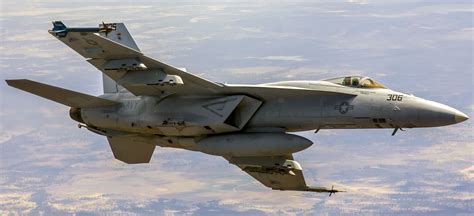
With advanced radar and electronic warfare systems, it can lock onto targets, dodge incoming threats, and deliver laser-guided bombs with pinpoint accuracy. In close-range dogfights, it performs sharp turns and high-angle maneuvers with ease.
It’s also a major player in close air support and reconnaissance missions. Even as new aircraft enter service, modern versions like the F/A-18E/F Super Hornet ensure that the Hornet remains a backbone of U.S. airpower. And in case you’re wondering—“F/A” stands for Fighter/Attack, highlighting its dual capabilities.
F/A-18 Hornet Fast Facts:
- Length: 56 ft (17.1 m)
- Height: 15 ft 4 in (4.7 m)
- Wingspan: 40 ft 4 in (12.3 m)
- Origin: United States
- Speed: Mach 1.8
- Manufacturer: McDonnell Douglas and Northrop (later Boeing)
19. Sukhoi Su-27 Flanker (1985) – Russia’s Cobra-Performing Powerhouse
On August 24, 2021, during Ukraine’s 30th Independence Day, a flight of Su-27s performed a breathtaking flyover in Kyiv, with President Volodymyr Zelenskyy in attendance. Originally developed by the Soviet Union, the Sukhoi Su-27 Flanker was built to take on American fighters like the F-15.
It can reach Mach 2.35 (1,553 mph or 2,500 kph) and features a large, swept-wing design that makes it incredibly agile. Its twin engines and big control surfaces help it turn tight and stay stable, even at low speeds and high angles of attack.
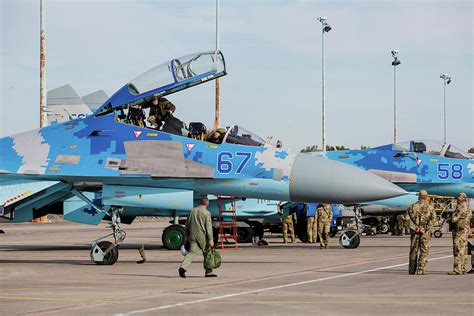
Its radar can detect targets over 185 miles (300 km) away, giving it long-range vision. Armed with R-73 and R-77 missiles, the Su-27 is a deadly dogfighter. It even performs the famous “Cobra Maneuver,” where the jet suddenly rears back midair—just to show off its incredible control.
Beyond the original model, the Su-27 spawned many advanced versions, including the Su-30, Su-33, and Su-35, all of which continue to serve in multiple countries. Whether flying solo or in a squadron, the Su-27 remains one of the most capable and visually impressive jets in the world.
Su-27 Flanker Fast Facts:
- Length: 71 ft 11 in (21.94 m)
- Height: 19 ft 5 in (5.92 m)
- Wingspan: 48 ft 3 in (14.7 m)
- Origin: Soviet Union
- Speed: Mach 2.35
- Manufacturer: Sukhoi Design Bureau
20. Dassault Rafale (2001) – France’s Omnirole Fighter
The Dassault Rafale, introduced in 2001, is France’s signature multi-mission fighter jet. Built by Dassault Aviation, it was designed to perform across a wide range of combat roles with ease. Whether it’s securing air superiority, executing precision strikes, gathering intelligence, or serving as a nuclear deterrent, the Rafale handles each mission with impressive precision.
Thanks to its top speed of Mach 1.8 (1,190 mph or 1,915 kph), the Rafale isn’t just flexible—it’s fast. Equipped with an RBE2 AESA radar, it can detect and track multiple targets from a distance, making it ideal for modern air warfare.
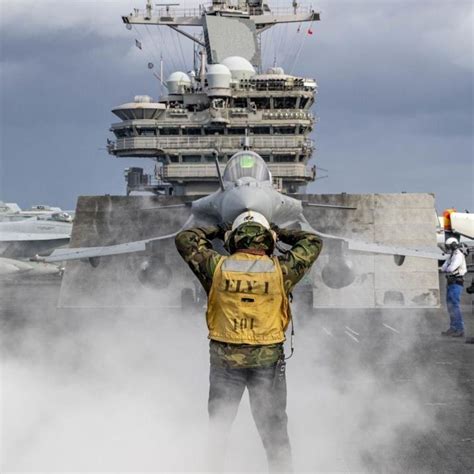
Two Snecma M88 engines give the Rafale exceptional acceleration and vertical performance. The jet’s agility shines in close combat situations, where high angle-of-attack capabilities make it a fierce dogfighter. Its SPECTRA electronic warfare system adds another layer of survivability, offering real-time threat detection and automated countermeasures.
The Rafale’s armament includes Meteor long-range missiles, SCALP cruise missiles, and AASM guided bombs. The carrier-capable Rafale M variant has extended its reach aboard France’s nuclear-powered aircraft carriers. Its global footprint continues to expand with exports to India, Egypt, and Greece.
Dassault Rafale at a Glance
- Length: 50 ft 3 in (15.27 m)
- Height: 17 ft 4 in (5.34 m)
- Wingspan: 35 ft 9 in (10.9 m)
- Manufacturer: Dassault Aviation
- Country of Origin: France
- Speed: Mach 1.8
21. NASA X-43 (2004) – The Fastest Aircraft in History
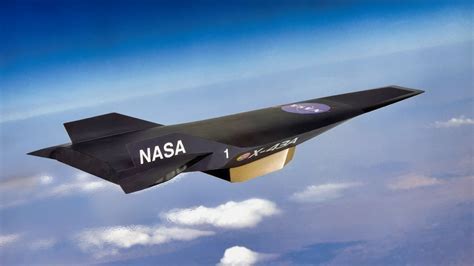
NASA’s X-43, known as Hyper-X, holds the record for the fastest aircraft ever flown. In 2004, this unmanned experimental jet achieved a mind-blowing speed of Mach 9.6 (7,366 mph or 11,854 kph), nearly ten times the speed of sound.
Its goal? To test scramjet technology—engines that compress air at hypersonic speeds without the need for spinning turbines. Traditional jet engines couldn’t operate at this velocity, but scramjets opened the door to future spaceflight and ultra-high-speed travel.
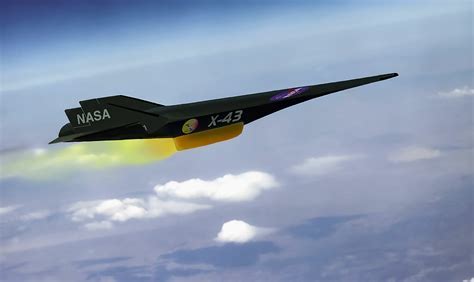
The launch sequence was complex. The X-43 was first carried by a modified B-52 and then boosted to high altitude by a Pegasus rocket. Only after release did its scramjet ignite, pushing the aircraft into uncharted speeds.
The project demonstrated that hypersonic flight was not just theory—it was achievable. The X-43’s test flights laid the groundwork for technologies used in future hypersonic vehicles and re-entry systems. Its legacy is still felt today in military and aerospace circles.
NASA X-43 at a Glance
- Length: 12 ft (3.65 m)
- Height: 2 ft (0.61 m)
- Wingspan: 5 ft (1.52 m)
- Manufacturer: NASA, with Boeing and Orbital Sciences
- Country of Origin: United States
- Speed: Mach 9.6
22. F-22 Raptor (2005) – America’s Stealth Superiority Jet
The F-22 Raptor is arguably the most dominant air superiority fighter ever created. Built jointly by Lockheed Martin and Boeing, it was introduced in 2005 with one mission: to ensure air dominance for the United States.
This fifth-generation fighter combines stealth, speed, and agility in one formidable package. It can cruise at supersonic speeds—Mach 2.25 (1,500 mph or 2,414 kph)—without using afterburners, a feature called “supercruise.” That’s both fuel-efficient and tactically advantageous.
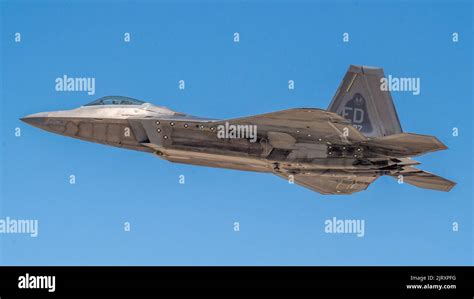
Two Pratt & Whitney F119 engines deliver raw power for rapid climbs and explosive acceleration. Its thrust-vectoring nozzles allow it to perform highly complex maneuvers, including the Pugachev’s Cobra. Even in close combat, it holds the upper hand.
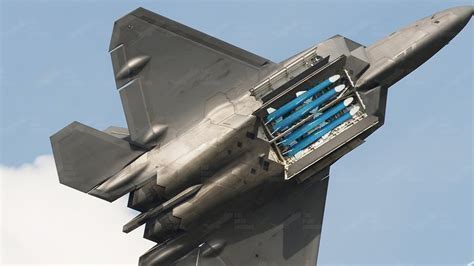
Its internal weapons bays maintain stealth while carrying AIM-120 and AIM-9 missiles. Advanced avionics and sensor fusion provide the pilot with full awareness of the surrounding airspace, enabling target tracking far beyond visual range.
F-22 Raptor at a Glance
- Length: 62 ft 1 in (18.90 m)
- Height: 16 ft 8 in (5.08 m)
- Wingspan: 44 ft 6 in (13.56 m)
- Manufacturer: Lockheed Martin and Boeing
- Country of Origin: United States
- Speed: Mach 2.25
23. Chengdu J-20 Mighty Dragon (2011) – China’s Stealth Contender
China’s Chengdu J-20 “Mighty Dragon” represents its push into fifth-generation stealth technology. Entering service in 2011, it’s one of the fastest stealth fighters globally, flying at Mach 2.0 (1,533 mph or 2,467 kph).
Designed by Chengdu Aerospace Corporation, the J-20 was built to challenge U.S. air dominance. With stealth shaping and radar-absorbent coating, it stays hidden in contested environments. Internally, it features advanced avionics and data fusion that enhance battlefield awareness.
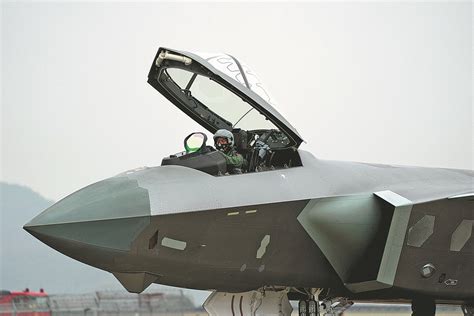
Its canard-delta wing design gives it superior maneuverability and control at high angles of attack. It’s powered by dual WS-10C or the more powerful WS-15 engines, enabling supercruise capabilities similar to the F-22.
Infrared tracking and internal missile bays maintain stealth while improving long-range engagement. As part of the People’s Liberation Army Air Force, the J-20 continues to receive upgrades in sensors, range, and weapons, reinforcing its role in China’s military growth.
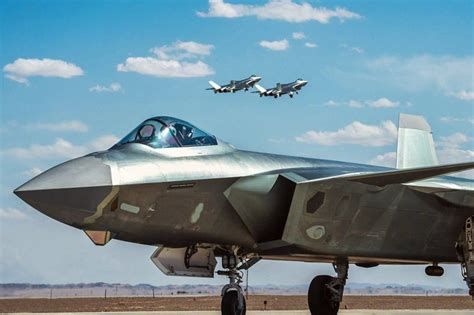
Chengdu J-20 Mighty Dragon at a Glance
- Length: 67 ft 4 in (20.5 m)
- Height: 15 ft 5 in (4.7 m)
- Wingspan: 42 ft (12.88 m)
- Manufacturer: Chengdu Aerospace Corporation
- Country of Origin: China
- Speed: Mach 2.0
24. Sukhoi Su-57 Felon (2019) – Russia’s Stealth Multirole Fighter
Russia’s Su-57 “Felon” is its most advanced stealth jet, introduced in 2019. It’s a fifth-generation fighter designed for air dominance and strike missions, capable of flying faster than Mach 2 (over 1,320 mph or 2,120 kph).
Its sleek shape and radar-absorbent materials help reduce radar detection. Internally, it boasts modern electronics, AI-assisted systems, and cutting-edge avionics. These allow the Su-57 to identify, track, and engage threats with speed and accuracy.
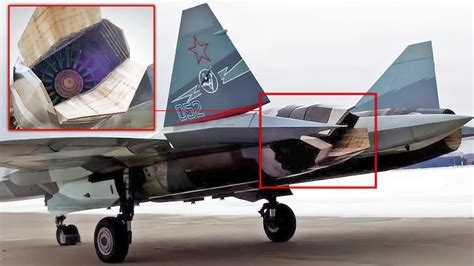
Powered by Izdeliye 30 engines, it can supercruise—fly at supersonic speeds without afterburners. Its internal weapons bays help preserve stealth while carrying modern missiles and bombs. Thrust-vectoring allows it to perform high-G maneuvers like the Cobra and Kulbit.
Its radar can track stealth aircraft at long distances, a feature rare among modern fighters. The Su-57 was combat-tested in Syria, demonstrating its capabilities in real-world scenarios. It’s now central to Russia’s future air combat plans.
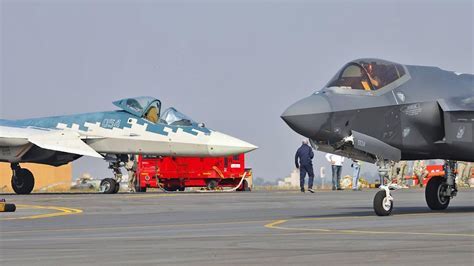
Sukhoi Su-57 Felon at a Glance
- Length: 66 ft 1 in (20.1 m)
- Height: 15 ft 10 in (4.8 m)
- Wingspan: 46 ft 3 in (14.1 m)
- Manufacturer: Sukhoi Design Bureau
- Country of Origin: Russia
- Speed: Mach 2.0+
✈️ Future of Flight
Boom Supersonic Overture (2029): A New Chapter in Supersonic Travel
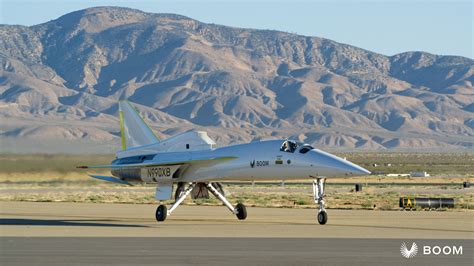
The Boom Supersonic Overture is shaping up to be one of the most exciting innovations in aviation. Still under development, this aircraft promises to bring back something the world hasn’t seen in decades—supersonic flight for regular passengers. But this time, it’s smarter, cleaner, and more efficient.
Unlike the Concorde, which retired in 2003, the Overture is designed to be more environmentally friendly and commercially viable. With a top speed of Mach 1.7 (about 1,300 mph or 2,093 kph), it’s expected to cut long-haul flight times in half. That could mean crossing the Atlantic in under four hours.
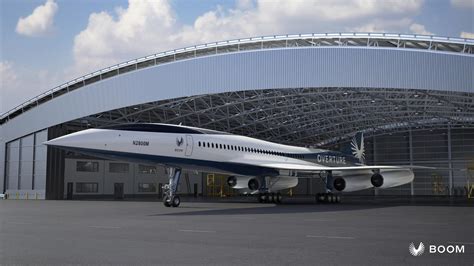
This jet is being built for luxury and performance. It will carry up to 80 passengers and cruise at an altitude of 60,000 feet—so high you’ll be able to see the curvature of the Earth. Each detail, from cabin comfort to aerodynamics, reflects a focus on modern design and technology.
What makes the Overture even more impressive is Boom’s commitment to sustainability. The aircraft is expected to run entirely on sustainable aviation fuel (SAF), helping to reduce its carbon footprint. This approach is a clear response to past concerns about supersonic travel being fuel-intensive and environmentally damaging.

Boom has already drawn interest from major airlines. United Airlines and Japan Airlines have placed pre-orders, betting on a future where speed, comfort, and sustainability can go hand in hand. If successful, the Overture could change the way we think about long-distance travel.
Another innovation is its noise-reduction technology. Supersonic flight has long been limited to over-ocean routes due to the loud sonic boom. But Boom’s design aims to soften that impact, potentially allowing future overland routes. That could make fast travel more accessible than ever before.
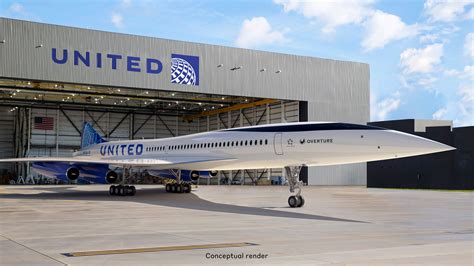
Though it won’t be the fastest plane in history, the Overture may become the fastest option available to the public. And that’s a big deal. For the first time in decades, ordinary travelers could experience the thrill of flying faster than the speed of sound.
Boom Supersonic Overture at a Glance:
- Length: 201 ft (61.26 m)
- Height: 36 ft (10.97 m)
- Wingspan: 106 ft (32.31 m)
- Developed by: Boom Supersonic
- Country of Origin: United States
- Speed: Mach 1.7
- Expected Entry into Service: 2029
What Does “Mach” Really Mean?
When we say the Overture flies at Mach 1.7, what exactly does that mean? The Mach number is a way to compare the speed of an aircraft to the speed of sound in the surrounding air. Because the speed of sound changes with altitude and air temperature, Mach numbers help standardize measurements.
The concept goes back to Austrian physicist Ernst Mach, who first studied how shock waves behaved in air back in 1887. The term “Mach number” was officially coined in 1929 by Swiss engineer Jakob Ackeret to honor his work.

So when a jet like the Overture cruises at Mach 1.7, it’s going 1.7 times faster than the speed of sound at that altitude. That’s fast enough to make a noticeable difference in how long it takes to get from one continent to another.
How Pilots Prepare to Break Speed Records
Speed records aren’t just set by the military. Civilian pilots also take on that challenge. One great example is Captain Judy Rice, who flew around the world in 2015 and set a new record. These feats are monitored and confirmed by the Fédération Aéronautique Internationale (FAI), which keeps official track of aviation achievements.
The Fastest Private Jets in the Sky
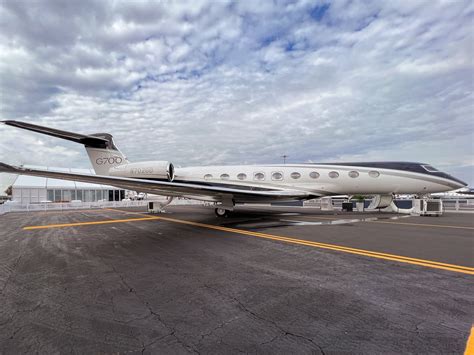
Supersonic airliners aren’t the only fast flyers. In the world of private aviation, the Gulfstream G700 takes the lead. With speeds close to Mach 0.935, it offers a mix of comfort and speed for executives and high-profile travelers.
The Cessna Citation X+ is another top performer in this space. It also reaches Mach 0.935, putting it neck and neck with the G700. These jets prove that even outside the commercial airline industry, the race for speed is still very much alive.
Looking Ahead: The Future of Fast Flight
From experimental rockets to stealth fighters and supersonic airliners, the push for speed has always driven innovation in aviation. Planes like the X-15, Concorde, and now the Boom Overture have each played a role in changing how we think about flying.
The future? It’s likely to include hypersonic aircraft, spaceplanes, and technologies we’re only beginning to imagine. Speed isn’t just a thrill—it’s a pathway to faster, more connected lives. As engineers keep pushing the limits, we may one day find that space itself is the next frontier.