In the wake of a tragic midair collision over the Potomac River that claimed 67 lives, U.S. lawmakers are pushing for significant reforms to aviation safety. The ALERT Act, a new aviation safety bill introduced in the U.S. House, aims to prevent similar accidents by mandating the implementation of enhanced collision avoidance technologies and improving air traffic control (ATC) procedures. This article delves into the details of the ALERT Act and how it seeks to address critical safety issues, ensuring the skies remain safer for both civilian and military aircraft.
The Need for Change: A Tragic Wake-Up Call
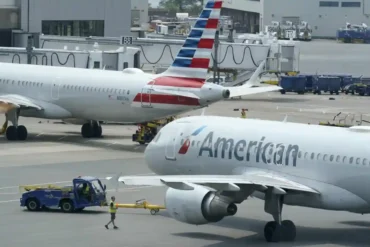
The ALERT Act comes in response to the devastating crash involving American Airlines Flight 5342 and a U.S. Army helicopter. The collision, which occurred in heavily congested airspace above Washington D.C., highlighted several gaps in aviation safety, particularly in the management of high-density airspace and the technology used to prevent midair collisions. The accident underscored the need for more effective collision mitigation systems, better training for air traffic controllers, and stricter oversight of airspace management.
In the aftermath, the National Transportation Safety Board (NTSB) issued a series of recommendations to improve aviation safety. These recommendations have directly influenced the contents of the ALERT Act, which aims to implement these changes and prevent further tragedies.
What the ALERT Act Proposes: Key Measures for Safer Skies
At its core, the ALERT Act is a comprehensive approach to addressing the root causes of midair collisions. The bill calls for several crucial changes to the way air traffic control operates and how aircraft are equipped, particularly in high-traffic areas around major U.S. airports.
1. Expanded Use of Collision Avoidance Technology
One of the most significant provisions of the ALERT Act is the requirement for broader adoption of advanced collision avoidance technologies, including the ACA-Xa system. The Federal Aviation Administration (FAA) would be required to ensure that turbine-powered aircraft are equipped with this technology, which can help prevent midair collisions by providing critical situational awareness to pilots.
The ACA-Xa system would be integrated into existing aircraft avionics and provide real-time data to pilots and air traffic controllers. This system is particularly important in Class B airspace, the highly controlled and congested airspace surrounding major airports like LAX, O’Hare, and Hartsfield-Jackson Atlanta. By equipping more aircraft with ACA-Xa technology, the ALERT Act aims to ensure that pilots have the necessary tools to detect and avoid potential collisions in busy airspace.
2. Enhanced Training for Air Traffic Controllers
The ALERT Act also mandates a thorough overhaul of air traffic controller training. The FAA will be required to revise its training curriculum to focus more on threat or error management, emphasizing the importance of visual separation between aircraft. This change comes in response to the NTSB’s findings that a lack of proper situational awareness among air traffic controllers contributed to the crash of Flight 5342.
Additionally, the bill calls for improved systems to monitor controllers’ time on position and to upgrade conflict alert systems. These enhancements will help air traffic controllers better manage busy airspace, especially in metropolitan areas like Washington D.C. and New York City, where air traffic is particularly dense.
3. Reevaluation of Helicopter Routing and Airspace Restrictions
Another key provision of the ALERT Act is the reassessment of helicopter routes and airspace restrictions around major airports. In congested areas like downtown Washington D.C., where both commercial and military aircraft operate, the potential for collisions is heightened. The bill mandates that the FAA reexamine helicopter flight paths and impose new visual separation standards for aircraft operating in these high-density regions.
This move is particularly significant because helicopters have different flight dynamics compared to fixed-wing aircraft, making them more susceptible to collisions in busy airspace. By rerouting helicopters and implementing stricter airspace management measures, the ALERT Act aims to reduce the risk of such accidents in the future.
Cultural and Oversight Changes at the FAA
The ALERT Act goes beyond just technology and training. It also calls for a comprehensive evaluation of the FAA’s internal culture and oversight practices. According to the bill, the FAA must conduct a thorough review of its safety practices and its management of high-density airspace.
This review is especially critical following the American Airlines Flight 5342 accident, which involved both civilian and military aircraft operating in the same airspace. The bill highlights the need for improved coordination between civilian and military air traffic controllers, particularly in high-risk areas like Washington D.C. The goal is to ensure that the FAA can effectively manage airspace shared by both commercial and military flights, reducing the risk of future collisions.
What’s Missing: Concerns Over Incomplete Safety Recommendations
While the ALERT Act is a step in the right direction, some aviation safety experts, including the president of the Air Line Pilots Association (ALPA), have voiced concerns that the bill does not go far enough. In particular, the bill does not mandate the installation of Cockpit Display of Traffic Information (CDTI) systems in aircraft, which is a key recommendation from the NTSB following the Flight 5342 investigation.
CDTI technology is a critical component of the collision avoidance system because it provides pilots with detailed, real-time information about surrounding aircraft. Without this technology, pilots may not be able to respond quickly enough to avoid a collision, especially in busy airspace where time is of the essence. The lack of a mandate for CDTI systems in the ALERT Act means that many aircraft operating in congested airspace will not have the most advanced safety tools at their disposal.
Additionally, the ALERT Act does not include a provision to extend the use of Automatic Dependent Surveillance-Broadcast (ADS-B) technology to all aircraft operating in high-density airspace. ADS-B is a vital technology that improves surveillance capabilities and provides pilots with enhanced situational awareness. While the ROTOR Act, a separate piece of legislation, includes provisions for ADS-B mandates, the ALERT Act’s failure to do so has raised concerns among safety advocates.
The Path Forward: Ensuring Comprehensive Safety Reforms
While the ALERT Act marks a significant step toward improving aviation safety, it is clear that more needs to be done to ensure that all aircraft operating in congested airspace are equipped with the latest collision avoidance technologies. The ROTOR Act, which mandates ADS-B technology, should be integrated into the ALERT Act to provide a more comprehensive approach to preventing midair collisions.
As lawmakers continue to debate the bill, it is essential that they take into account the full scope of the NTSB’s recommendations and ensure that all necessary safety measures are implemented. The tragedy of Flight 5342 serves as a stark reminder of the need for urgent action in the field of aviation safety, and it is crucial that Congress moves forward with legislation that addresses all of the gaps identified by the NTSB.
By adopting the latest technology, improving training programs, and enhancing airspace management practices, the U.S. can take a significant step toward preventing future midair collisions and ensuring the safety of both civilian and military aircraft in the skies. The ALERT Act, while a strong start, must evolve to reflect the full range of safety improvements needed to protect the public and aviation professionals alike.