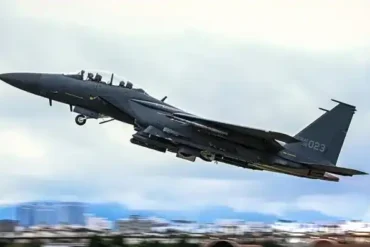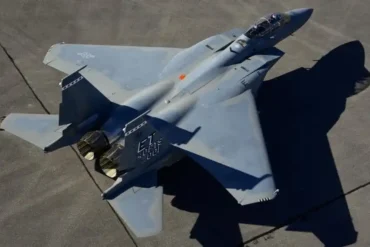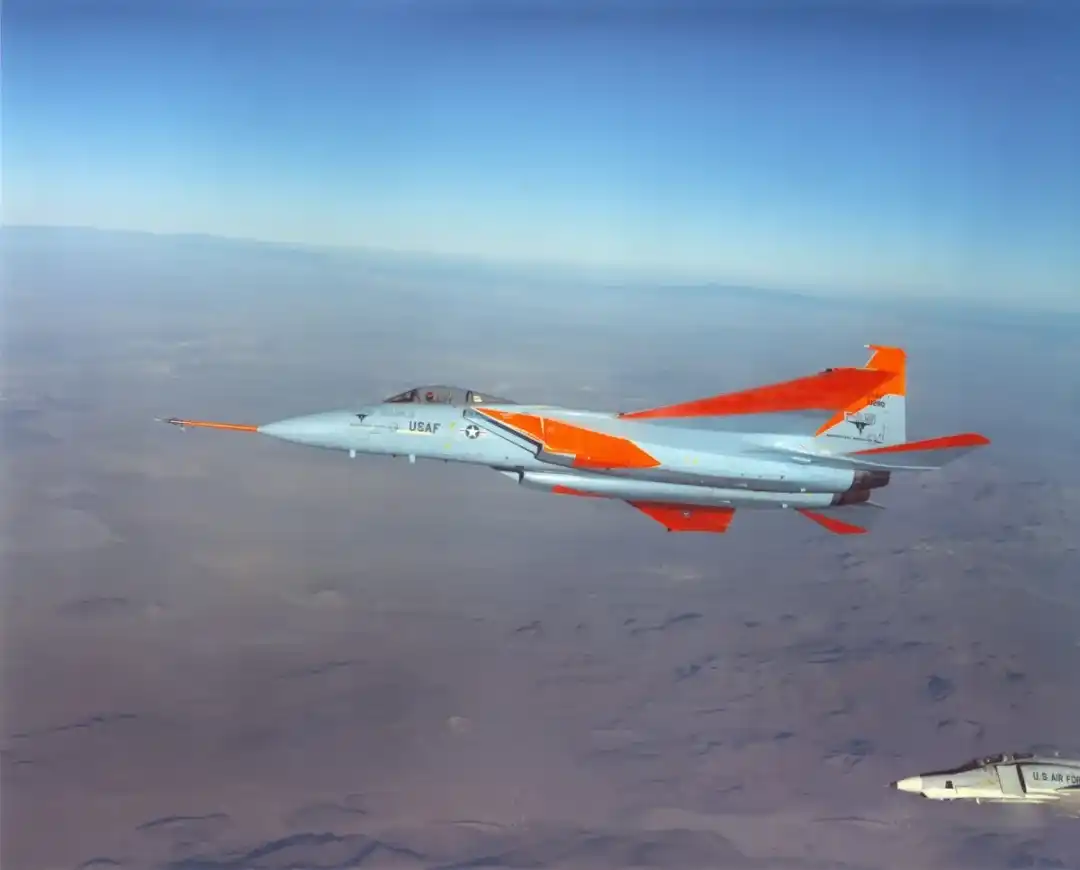
The McDonnell Douglas F-15 Eagle is one of the most iconic air superiority fighters ever built, serving with distinction since the 1970s. Over the decades, this formidable aircraft has sported a wide variety of liveries, each designed for specific roles, operational requirements, or historical commemorations. These liveries enhance not only the aircraft’s aesthetic appeal but also its tactical functionality and symbolic significance.
Standard Operational Liveries
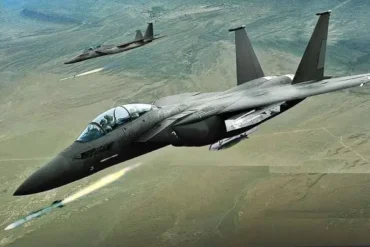
Standard Gray Scheme
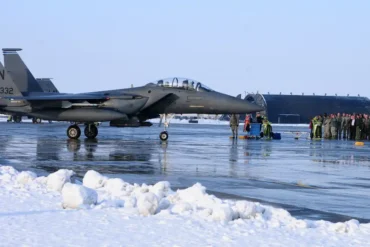
The most common F-15 livery used by the United States Air Force (USAF) is a low-visibility gray camouflage, designed to minimize visual detection against the sky. This includes:
- FS 36176 “Euro I Gray” for a darker shade.
- FS 36251 “Modern Gray” for a lighter tone.
- Subdued USAF roundels and unit insignia to reduce radar and infrared visibility.
This scheme is prevalent across most F-15C and F-15E Strike Eagle variants, ensuring optimal stealth and functionality in combat missions.
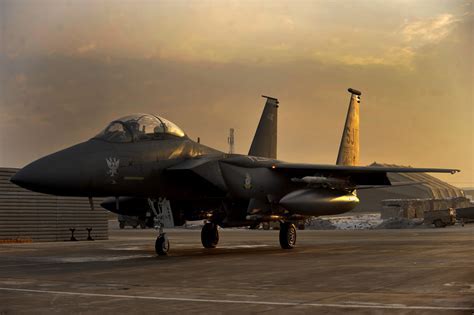
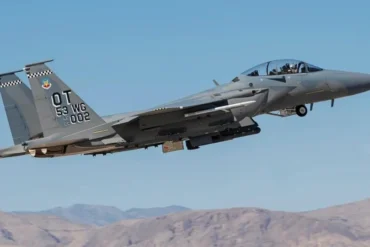
Two-Tone Gray Camouflage
Some F-15E Strike Eagles utilize a two-tone gray scheme, with a darker gray on upper surfaces and a lighter gray underneath. This variation enhances tactical camouflage, blending seamlessly with different sky conditions, particularly during high-altitude missions.
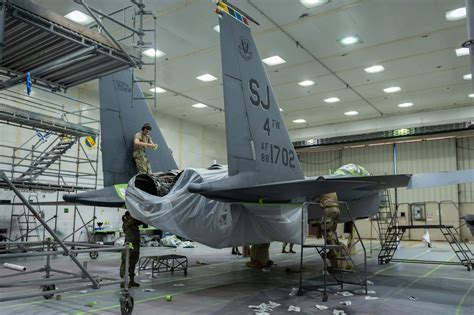
Aggressor Squadron Liveries
Simulated Adversary Schemes
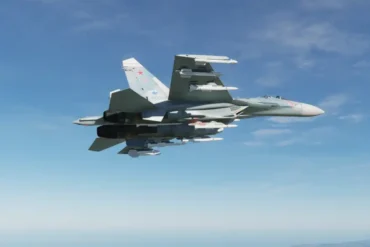
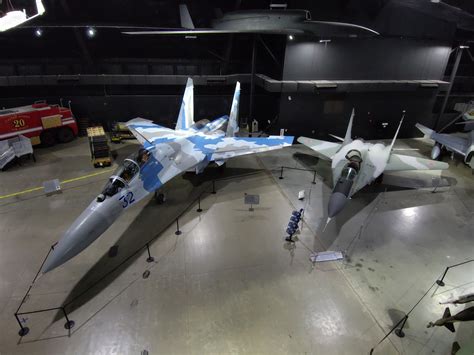
Aggressor units, such as the 65th Aggressor Squadron at Nellis Air Force Base, employ specialized liveries designed to mimic potential adversaries in training exercises. These include:
- Splinter Camouflage: Sharp-angled patterns resembling Russian Su-35 Flanker schemes.
- Digital Camouflage: Pixelated color variations disrupting aircraft outlines.
- Blue/Gray Patterns: Inspired by Cold War-era Soviet designs.
Experimental Arctic Camouflage
The 173rd Fighter Wing of the Oregon Air National Guard has experimented with Arctic Splinter Camouflage, consisting of white, gray, and black geometric patterns. This provides enhanced visibility in cold-weather environments while simulating enemy aircraft for training.
Commemorative & Special Liveries
Anniversary Schemes
Marking significant milestones, some F-15s have received striking commemorative liveries:
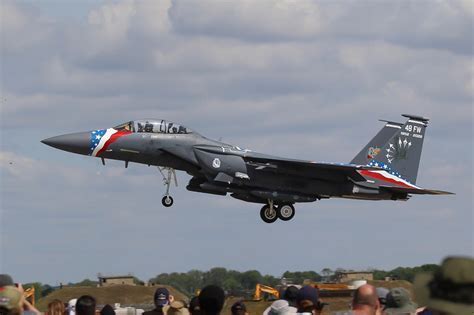
- 48th Fighter Wing “Liberty Wing” (2017): Featured a checkerboard tail design reminiscent of WWI aircraft.
- 131st Fighter Wing “Miss Ashley” Nose Art: A red-and-white nose art tribute with a shark mouth design, celebrating the unit’s 70th anniversary.
Historical Tribute Liveries
Certain F-15s honor past achievements with historical paint schemes:
- F-15C 85-0107 “MiG Killer”: Displayed red star kill markings, commemorating its Gulf War victories.
- WWII Heritage Scheme: Features invasion stripes, paying tribute to historic warbirds from D-Day operations.
International Operators and Their Unique Liveries
Japan Air Self-Defense Force (JASDF)
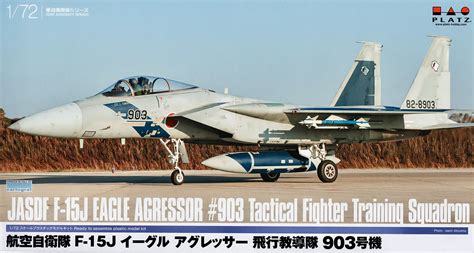
The JASDF F-15J often sports distinctive blue-and-white markings with unit-specific tail art. Some aircraft also display stylized eagle insignias, reinforcing the Eagle’s legacy in Japan’s defense forces.
Royal Saudi Air Force
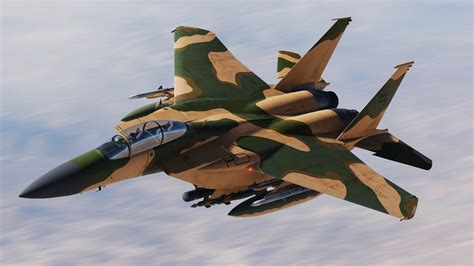
Saudi Arabia operates the F-15SA, which features a desert camouflage scheme with shades of tan and brown. This livery enhances concealment in the Middle Eastern landscape, making it ideal for operations over arid regions.
Israeli Air Force (IAF)
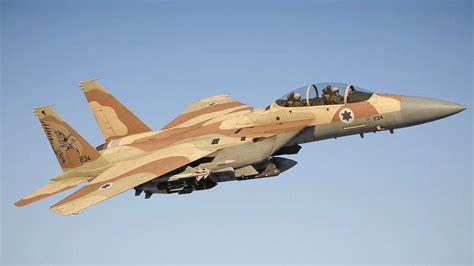
The F-15I Ra’am, Israel’s specialized Strike Eagle variant, is painted in a unique sand-brown camouflage. This livery provides optimal concealment in Middle Eastern terrains, reflecting the IAF’s operational doctrine.
Experimental & Test Liveries
Stealth Testing & Radar-Absorbent Coatings
Some F-15s have been painted with experimental coatings for stealth evaluation. These include:
- Darkened Radar-Absorbent Material (RAM): Tested to reduce radar cross-section.
- Low-visibility black & gray coatings: Investigated for potential stealth applications.
NASA Research Liveries
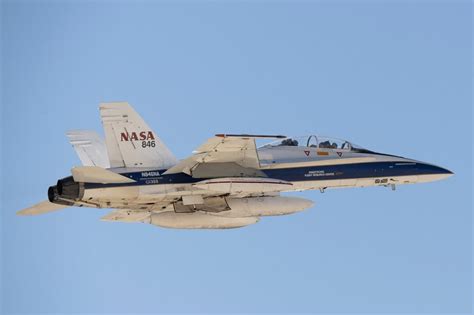
F-15s utilized by NASA (e.g., F-15B #836) bear the agency’s signature blue-and-white livery, often accented with yellow stripes for high visibility.
Fictional & Media Representations
Film & Video Game Liveries
The F-15 Eagle has appeared in various films and video games, often featuring fictional paint schemes:
- Top Gun: Maverick (2022): Included aggressor F-15s with modified camo.
- Ace Combat series: Showcased fictional liveries, including vivid red, black, and gold designs.
Notable Artistic Tail Art
Some units customize their F-15s with artistic tail flashes, such as:
- Oregon Air National Guard’s “Portland” Tail Art: A tribute to the city.
- Alaska Air National Guard’s “Arctic Warriors”: Features polar bear motifs.
FAQ
What is the most common F-15 livery used by the U.S. Air Force?
The most prevalent livery is the standard low-visibility gray scheme, using FS 36176 Euro I Gray and FS 36251 Modern Gray. This reduces visual detection and enhances survivability.
Do all countries use the same F-15 paint schemes?
No. While the U.S. primarily uses gray schemes, other operators like Japan, Saudi Arabia, and Israel use customized liveries suited to their climate and operational needs.
What is the rarest F-15 livery?
Some of the rarest liveries include anniversary schemes like the WWII Heritage paint job, unique stealth test coatings, and special NASA research colors.
The F-15 Eagle’s livery history reflects its evolution from an air superiority fighter to a multirole legend, adapting through combat, testing, and commemoration over the decades.