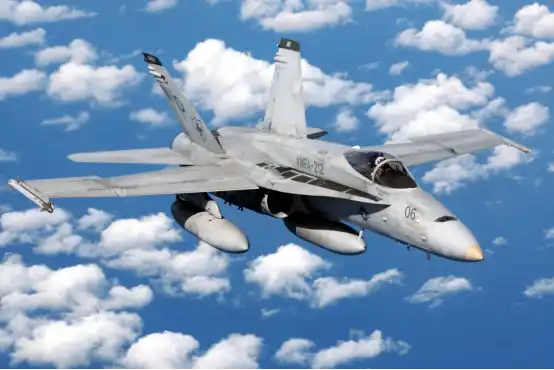
The F/A-18 Hornet is one of the most versatile and widely used fighter aircraft in modern military aviation. Its ability to balance speed, maneuverability, and fuel efficiency makes it an essential component of air forces worldwide. Among its critical flight parameters, the cruise speed of the F/A-18 plays a vital role in mission effectiveness, ensuring combat endurance, range optimization, and operational flexibility.
Understanding the Cruise Speed of the F/A-18
The cruise speed of an aircraft refers to the speed at which it can sustain level flight while optimizing fuel consumption. For the F/A-18 Hornet, the cruise speed is approximately 1,062 km/h (660 mph), equivalent to Mach 1.0 at high altitude. This speed allows the aircraft to maximize its range while conserving fuel, ensuring that it can execute missions effectively without unnecessary refueling stops.
Cruise Speed vs. Maximum Speed
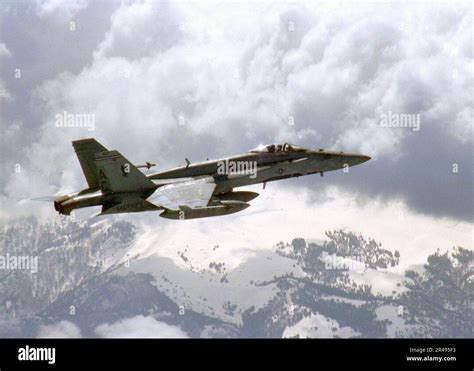
While the maximum speed of the F/A-18 reaches an impressive 1,910 km/h (Mach 1.8) at high altitude, this is only used in combat or emergency situations. In contrast, the cruise speed is set to maintain fuel efficiency and mission endurance. The aircraft’s ability to cruise at Mach 1.0 is a significant advantage, as many military aircraft operate at subsonic speeds to extend their operational range and minimize fuel burn.
Operational Range Considerations
At its cruise speed, the F/A-18 has a combat radius of approximately:
- 740 km for air-to-air missions
- 1,065 km for air-to-ground missions
This difference arises because air-to-ground missions require more fuel due to additional payload and maneuvering requirements. Additionally, mission profiles affect cruise speed, with lower-altitude operations often demanding adjustments to maintain efficiency.
Aerodynamic and Engine Influence on Cruise Speed
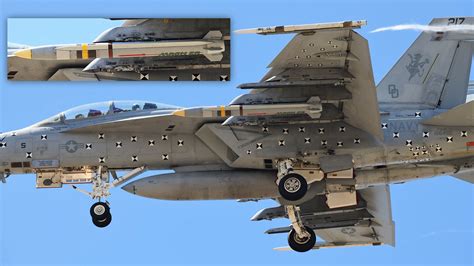
The design and engineering of the F/A-18 contribute significantly to its ability to maintain a high cruise speed. Several factors enhance its cruise performance:
1. Advanced Aerodynamics
The trapezoidal wing design of the F/A-18 allows for better lift-to-drag ratio, which is crucial for maintaining high subsonic and transonic speeds efficiently. This configuration enhances maneuverability and ensures stability at various altitudes and speeds.
2. Twin General Electric F404 Turbofan Engines
The General Electric F404 turbofans provide high thrust with excellent fuel efficiency. These engines are designed to operate optimally at both high speeds and extended cruise conditions, ensuring the aircraft can travel long distances without excessive fuel consumption.
3. Throttle and Fuel Management Systems
The F/A-18’s flight control system optimizes fuel usage based on mission requirements. This includes adaptive throttle control, allowing pilots to balance thrust and economy without sacrificing combat readiness.
Mission-Specific Cruise Speed Adjustments
Cruise speed is not a fixed number for all missions; it varies based on operational needs. Different mission types influence how the F/A-18 manages its cruise speed:
1. Air Superiority Missions
In air-to-air engagements, the F/A-18 may cruise closer to Mach 1.0 to rapidly intercept enemy aircraft or reposition strategically. This ensures that the aircraft arrives at its engagement area quickly while still maintaining enough fuel for combat.
2. Ground Attack Missions
When executing air-to-ground strikes, the aircraft may fly at lower speeds and altitudes to improve targeting accuracy and avoid enemy detection. In these scenarios, cruise speed might be reduced to enhance precision bombing and missile delivery.
3. Carrier-Based Operations
As a carrier-capable aircraft, the F/A-18 needs to balance speed for both takeoff and landing. During long-range carrier patrols, pilots maintain an efficient cruise speed to ensure fuel reserves remain adequate for return flights.
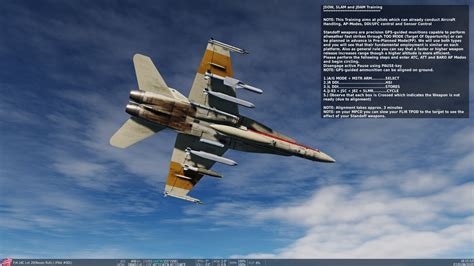
Comparison with Other Fighter Aircraft
To understand the strategic importance of the F/A-18’s cruise speed, it is useful to compare it with other fighter aircraft in its class:
| Aircraft Model | Cruise Speed | Maximum Speed |
|---|---|---|
| F/A-18 Hornet | 1,062 km/h (Mach 1.0) | 1,910 km/h (Mach 1.8) |
| F-16 Fighting Falcon | 917 km/h (Mach 0.77) | 2,414 km/h (Mach 2.05) |
| F-35 Lightning II | 850 km/h (Mach 0.75) | 1,931 km/h (Mach 1.6) |
| F-15E Strike Eagle | 1,058 km/h (Mach 0.9) | 2,655 km/h (Mach 2.5) |
This comparison highlights that the F/A-18’s ability to sustain Mach 1.0 in cruise mode is superior to most other fourth-generation fighters. It strikes a balance between speed, fuel efficiency, and mission effectiveness.
Conclusion
The F/A-18 Hornet’s cruise speed of Mach 1.0 is a defining factor in its combat endurance, mission flexibility, and operational range. Unlike aircraft that sacrifice efficiency for speed, the F/A-18 maintains a unique balance that allows it to perform in a variety of roles. Whether engaging in air superiority missions, ground attacks, or naval operations, the aircraft’s ability to sustain an efficient cruise speed makes it a powerful asset in modern warfare.
Frequently Asked Questions
1. Why is the cruise speed of the F/A-18 limited to Mach 1.0?
The cruise speed is optimized for fuel efficiency and mission duration. Operating at higher speeds would significantly increase fuel consumption, reducing the aircraft’s operational range and endurance.
2. How does the F/A-18 compare to fifth-generation fighters in terms of cruise speed?
While fifth-generation fighters like the F-35 Lightning II have lower cruise speeds (Mach 0.75), they compensate with stealth technology and advanced avionics. However, the F/A-18’s ability to sustain Mach 1.0 without afterburners provides a significant advantage in fuel economy and mission adaptability.
3. Can the F/A-18 Hornet sustain supersonic speeds for long durations?
No, the F/A-18’s supersonic speeds are typically used for short bursts during combat or high-speed transit. Sustaining speeds above Mach 1.2 requires afterburners, which drastically reduce fuel efficiency and operational range.