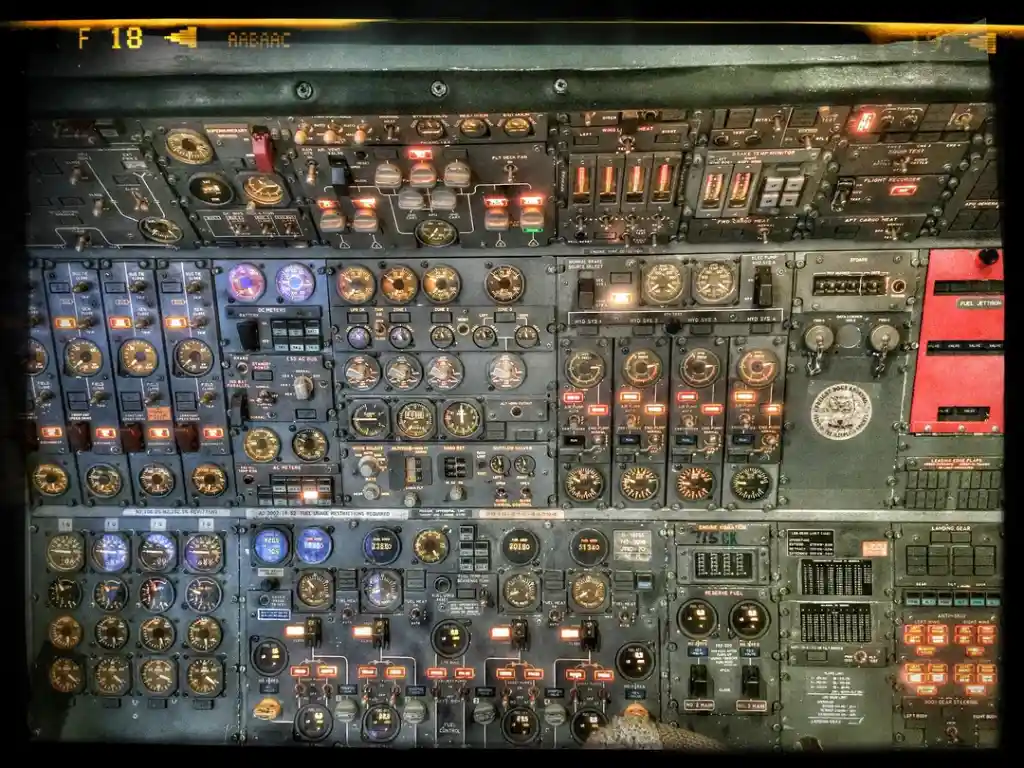
For decades, the sound of commercial aviation was not just the roar of jet engines or the clipped exchanges between captain and first officer. Behind them sat a third specialist surrounded by glowing gauges, pressure dials, fuel systems, and electrical panels — the flight engineer. Before computers transformed aviation into a largely automated environment, this crew member was indispensable. Entire generations of long-haul aircraft depended on someone whose full-time job was to babysit the machine itself.
Today, almost every commercial aircraft in the world operates with only two pilots. Glass cockpits, digital automation, and sophisticated onboard diagnostics quietly replaced one of aviation’s most technically demanding professions. Yet the story of the flight engineer did not disappear overnight. In fact, one American-built commercial aircraft continued carrying a flight engineer into the early 1990s, long after aviation technology had already begun moving on.
The last of those aircraft was not a futuristic jet packed with cutting-edge systems. It was an aging icon from aviation’s golden age: the Boeing 747-200 Classic.
The final American commercial airplane manufactured with a dedicated flight engineer station rolled off Boeing’s production line in 1991. That aircraft still exists today — a flying relic from an era when airline cockpits looked more like engineering laboratories than computer workstations.
The aircraft’s survival is remarkable enough. The fact that its cockpit still reflects aviation’s analog age makes it something even rarer: a living time capsule.
After all, commercial aviation moved from three-person cockpits to two-person crews with astonishing speed. Once automation proved reliable enough, airlines quickly realized they could reduce costs, simplify training, and improve operational efficiency by eliminating the engineer’s station entirely. One extra seat in the cockpit no longer made economic sense.
Yet for nearly half a century, flight engineers were absolutely essential.
The Forgotten Specialist Who Kept Airliners Alive
The role of the flight engineer emerged during aviation’s technological adolescence. Early piston-engine airliners and first-generation jet aircraft were immensely complex machines with unreliable systems, heavy fuel consumption, and primitive automation. Pilots already carried enormous workloads navigating, communicating, and physically flying the aircraft. Managing engines, electrical systems, hydraulic pressure, cabin pressurization, fuel balancing, and environmental systems required a dedicated professional.
That responsibility belonged to the flight engineer.
Unlike pilots, flight engineers were not always required to fly the aircraft itself. Instead, they became masters of aircraft systems management. During long flights, they continuously monitored engine performance, tracked fuel burn, balanced fuel tanks, and responded to mechanical abnormalities before they escalated into emergencies.
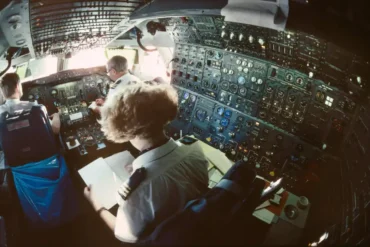
In aircraft like the Boeing 707 or Lockheed L-1011, the engineer’s panel looked intimidating even to experienced aviators. Hundreds of switches, warning lights, and analog gauges lined the sidewalls behind the pilots. Every engine parameter had to be watched carefully. A small oversight could become catastrophic thousands of miles from the nearest diversion airport.
The position demanded exceptional technical expertise. Flight engineers often understood the aircraft’s internal systems more deeply than anyone else onboard.
During takeoff and landing — the most dangerous phases of flight — the engineer became particularly critical. While the captain focused on controlling the aircraft and the first officer managed communications and checklists, the engineer monitored engine temperatures, hydraulic performance, and system stability in real time.
Modern aviation software now performs those same tasks automatically in milliseconds.
Back then, it required an entire human being.
Why Aircraft Needed Three Crew Members
The reason older aircraft required flight engineers was simple: computers were nowhere near capable enough to handle the workload.
Early jetliners generated enormous amounts of information but lacked the processing power to interpret it automatically. If fuel distribution became uneven across the wings, someone had to manually correct it. If engine temperatures rose unexpectedly, someone had to notice immediately. If cabin pressure fluctuated, somebody needed to troubleshoot the issue before passengers even realized something was wrong.
Aircraft systems also lacked integration. Modern jets combine flight management, engine monitoring, navigation, and diagnostics into unified digital systems. Earlier aircraft operated as collections of largely independent mechanical and electrical components.
The Boeing 727 perfectly represented this transition era. Introduced in the 1960s, it became one of the world’s most successful airliners, but it still required a flight engineer because its systems were too labor-intensive for two pilots alone.
The same applied to early Boeing 747 variants.
Ironically, the jumbo jet that symbolized futuristic travel still depended heavily on old-school cockpit labor.
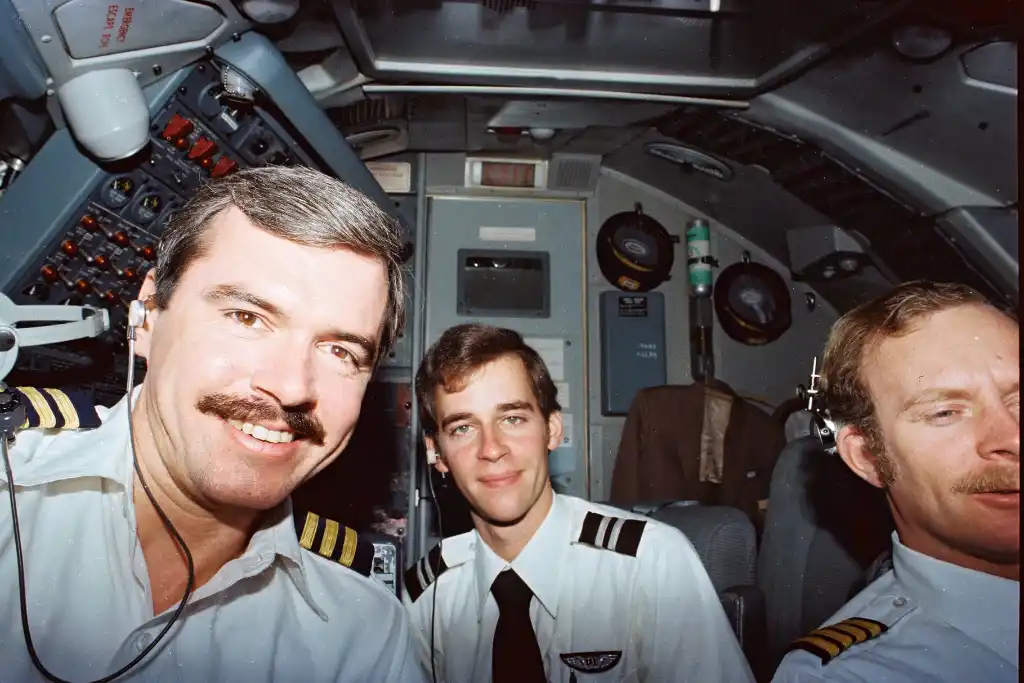
The Boeing 747-200: The Last American Commercial Giant With A Flight Engineer
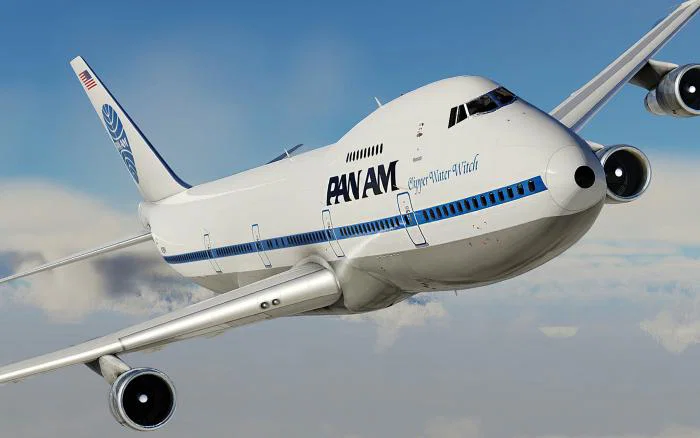
The Boeing 747 changed global aviation forever after entering service in 1970. Its enormous capacity made long-haul air travel accessible to millions of passengers. The aircraft became an instant symbol of prestige, power, and technological ambition.
But beneath its glamorous image, the original 747 remained deeply analog.
Early 747 models required a captain, first officer, and flight engineer. The engineer’s station sat directly behind the pilots, filled with intricate systems panels controlling fuel pumps, electrical distribution, air conditioning packs, hydraulics, and engine monitoring systems.
When Boeing introduced the later 747-400 in the late 1980s, the company finally eliminated the engineer position through advanced cockpit automation. Digital displays replaced sprawling analog panels. Computers assumed responsibility for system monitoring and fault management.
That transformation effectively ended the era of the three-person Boeing cockpit.
Yet one final aircraft bridged both worlds.
The last American-built commercial airplane delivered with a flight engineer station was a Boeing 747-200F freighter constructed in 1991. Originally delivered to Nippon Cargo Airlines as JA8194, the aircraft later entered service in Iran under registration EP-FAB with Fars Air Qeshm.
More than three decades later, the aircraft reportedly remains active.
That means the final American commercial jet designed around a flight engineer is still flying cargo missions today — an extraordinary survival story in modern aviation.
How Automation Eliminated The Flight Engineer
The death of the flight engineer role was not sudden. It happened gradually as microprocessors became smaller, cheaper, and dramatically more reliable during the 1980s.
Aircraft manufacturers quickly realized digital systems could monitor engines and aircraft health far more efficiently than humans. Computers never became distracted, tired, or overloaded during high-workload phases of flight.
Digital Electronic Engine Controls, automated fuel balancing systems, integrated warning computers, and centralized monitoring systems transformed cockpit operations. Suddenly, the responsibilities of an entire crew member could be handled by software.
Airlines embraced the shift enthusiastically because the economics were overwhelming.
Eliminating one cockpit crew member reduced training expenses, salaries, scheduling complexity, hotel costs, and long-term operational overhead. Over thousands of flights annually, the savings became enormous.
Aircraft like the Boeing 767 and Airbus A310 proved that widebody international jets could safely operate with only two pilots. Once airlines gained confidence in the technology, there was no going back.
The flight engineer rapidly joined a growing list of professions made obsolete by automation.
Telephone operators disappeared. Elevator operators vanished. Navigation specialists faded from commercial cockpits. Flight engineers followed the same path.
Only aviation enthusiasts now remember how central they once were.
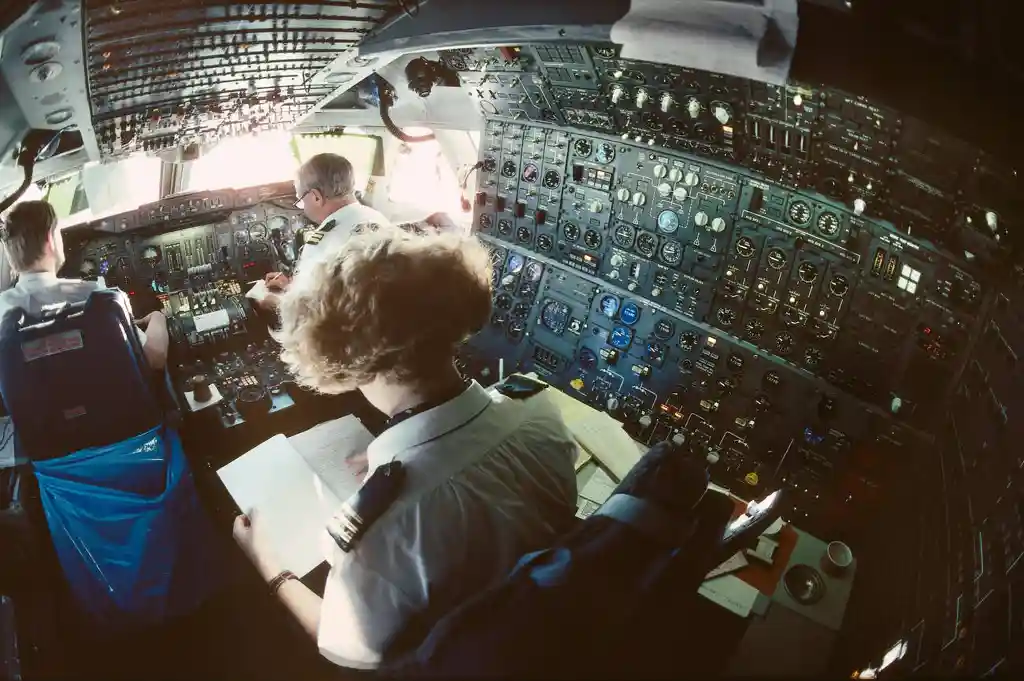
Military Aircraft Still Keep The Profession Alive
While commercial aviation abandoned flight engineers decades ago, military aviation still preserves the role in certain specialized aircraft.
The reason is partly practical and partly historical.
Many military aircraft remain based on older airframes developed before advanced automation became standard. Upgrading those aircraft completely would cost billions of dollars and potentially introduce new certification risks. As long as the aircraft continue operating effectively, militaries often prefer maintaining existing systems.
The United States Air Force still operates several aircraft requiring flight engineers, including the Boeing E-4 Nightwatch, the E-3 Sentry AWACS platform, and the massive Lockheed C-5M Super Galaxy.
The VC-25A — better known globally as Air Force One — also requires a flight engineer because it is based on the Boeing 747-200B platform.
That creates one of aviation’s strangest contrasts. The President of the United States flies aboard a heavily modernized aircraft whose cockpit architecture still traces its roots to the analog age.
Military operators value redundancy and human oversight differently than commercial airlines. In strategic command aircraft or heavy military transports, additional crew members can still provide operational advantages during complex missions lasting many hours.
The commercial industry optimized for efficiency.
Military aviation optimized for mission resilience.
Those priorities do not always produce the same cockpit.
The Strange Case Of Stratolaunch Roc
If the Boeing 747-200 marked the end of the commercial flight engineer era, another bizarre American aircraft unexpectedly revived it decades later.
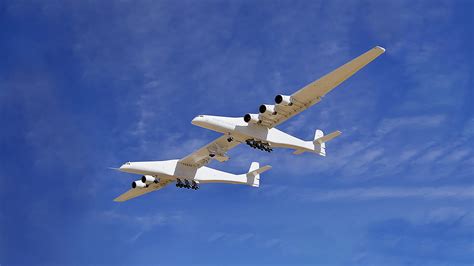
Scaled Composites’ Stratolaunch Roc — the enormous twin-fuselage carrier aircraft developed for hypersonic testing — includes a flight engineer among its crew.
First flown in 2019, Roc is among the largest aircraft ever built by wingspan. Its six engines and hybrid architecture borrow heavily from retired Boeing 747 components, including cockpit systems derived from older jumbo jets.
As a result, the aircraft operates with two pilots and one flight engineer.
That technically makes Roc the newest American-built aircraft still designed around a flight engineer station.
However, Roc is not a commercial airliner. It is a highly specialized experimental mothership flown only occasionally for hypersonic vehicle testing.
The aircraft reportedly has accumulated only a few dozen flights since its debut.
Still, its existence demonstrates something fascinating about aviation technology: even in an age dominated by automation, some aircraft remain too unusual or specialized for standard cockpit simplification.
Sometimes old solutions survive because unique missions demand them.
Russia’s Unexpected Return To Three-Person Cockpits
Ironically, while the West eliminated flight engineers decades ago, Russia may temporarily revive the profession.
Western sanctions imposed after 2022 severely disrupted Russia’s access to modern aviation components. In response, Russian aerospace planners began reconsidering older Soviet-era aircraft designs that could theoretically be produced with domestically available technology.
Among those aircraft are the Tupolev Tu-214 and Ilyushin Il-96.
These aircraft were designed around lower automation levels and still require three-person cockpit crews in some configurations. Flight engineers remain essential because the systems architecture demands extensive manual monitoring and fuel management.
Reports suggest Russian aviation authorities have explored restarting production using simplified variants less dependent on Western avionics.
If that happens, Russia may need to reopen training pipelines for flight engineers — something most of the world abandoned decades ago.
It would represent one of aviation history’s strangest reversals: a highly specialized profession returning not because of technological progress, but because of technological isolation.
Whether those plans become reality remains uncertain. Russian airlines themselves reportedly prefer modern two-crew aircraft whenever possible.
Still, the mere discussion highlights how quickly aviation standards can shift when geopolitics reshapes industrial capabilities.
The Last Echoes Of The Flight Engineer Era
Today, the flight engineer survives mostly in museums, military operations, and a tiny number of aging cargo aircraft scattered across the world.
Younger airline passengers may never realize commercial aviation once required three highly trained specialists just to complete a transatlantic crossing safely.
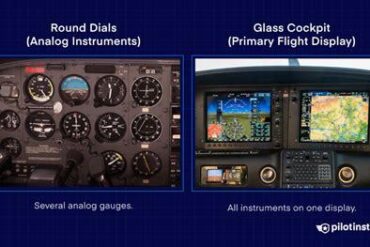
Modern pilots now monitor aircraft systems through sleek digital displays with automated alerts and predictive diagnostics. The workload once handled manually by a dedicated engineer has largely vanished behind layers of software.
Yet the legacy of flight engineers remains deeply embedded in aviation culture.
Many of the safety procedures, cockpit coordination philosophies, and crew resource management techniques used today evolved directly from the three-person cockpit era. Flight engineers often served as the technical backbone of long-haul operations, particularly when mechanical reliability was far less predictable than it is now.
The final American commercial aircraft requiring a flight engineer rolled off Boeing’s production line in 1991. That moment quietly closed one of aviation’s most important chapters.
Not with fanfare.
Not with a ceremonial farewell.
Just another jumbo jet leaving the factory floor while the future arrived behind it.