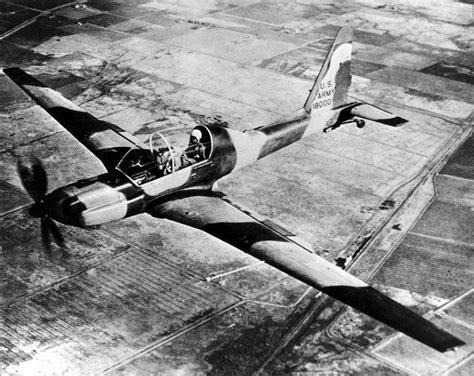
In the vast history of aviation, where roaring engines and thunderous takeoffs symbolize technological triumph, there exists a rare exception — a plane so silent that enemies on the ground never even knew it was there. Known as the quietest aircraft in history, the Lockheed YO-3A “Quiet Star” represents one of the most fascinating chapters in the evolution of stealth and sound suppression in aviation. Built during the Vietnam War, this aircraft was not designed to dominate the skies through speed or firepower, but rather to observe without being heard.
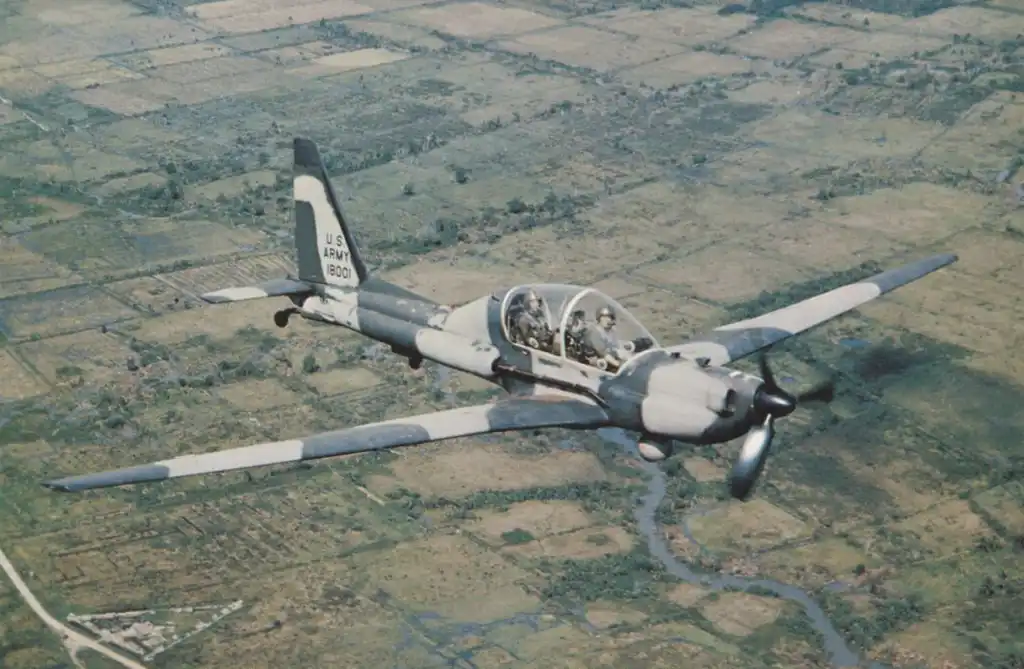
The Birth of a Silent Spy
In the late 1960s, the United States faced a unique tactical challenge in Vietnam. The enemy was elusive, hidden beneath dense jungle canopies, moving silently through difficult terrain. The U.S. military required an aircraft that could hover quietly above enemy positions and relay intelligence without revealing its presence. The answer came in 1967 when the Advanced Research Projects Agency (ARPA) — the predecessor to DARPA — commissioned Lockheed to design a reconnaissance aircraft that could operate with near-total acoustic invisibility.
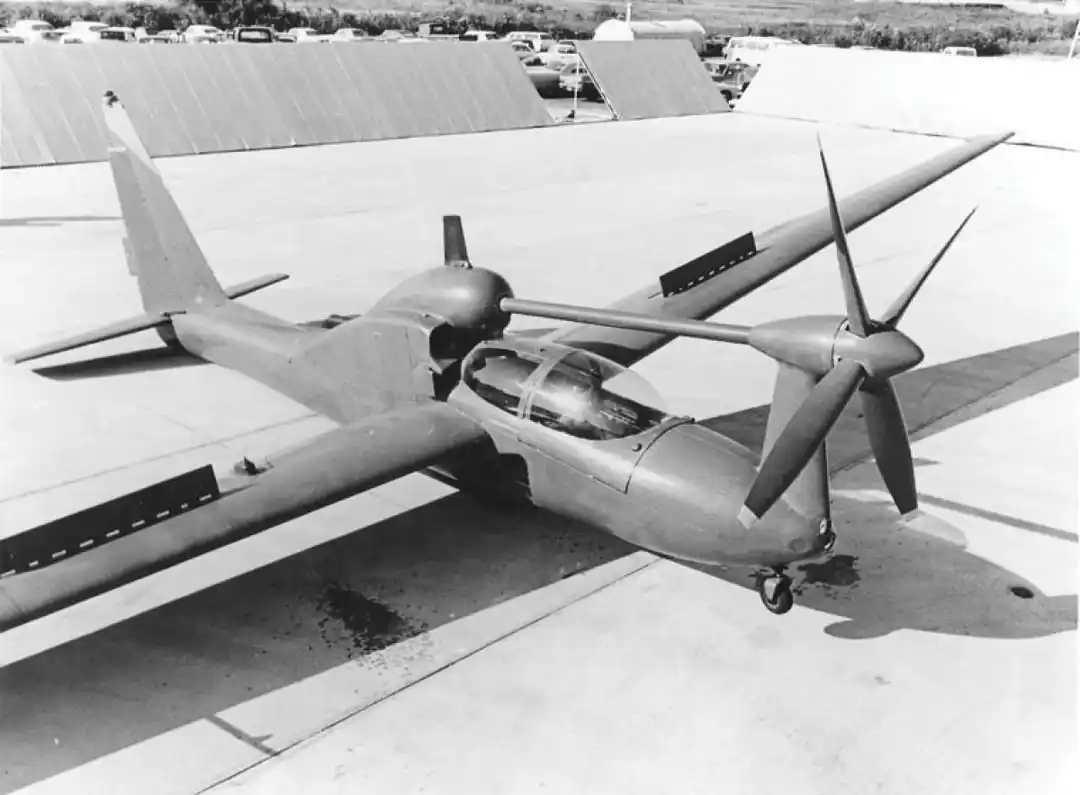
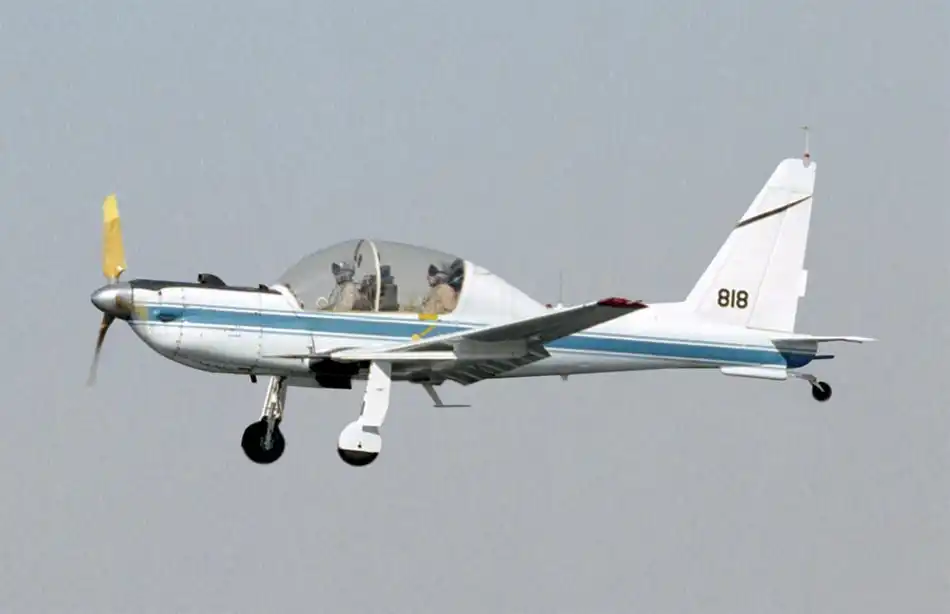
The foundation for this revolutionary project came from the Schweizer SGS 2-32 glider, a light, elegant aircraft known for its long wings and whisper-quiet glide characteristics. Lockheed engineers, working in collaboration with NASA and ARPA, modified this design to create what would become the QT-2 prototype, later evolved into the YO-3A “Quiet Star.”
The Quiet Star’s mission profile demanded it to fly extremely low — often at altitudes of only 1,000 to 2,000 feet — while maintaining an acoustic signature so faint that even ground troops could not detect it. According to NATS (National Air Traffic Services) data, a medium aircraft descending at 1,000 feet typically generates about 70 decibels (dBA), roughly the noise of a household vacuum cleaner. The YO-3A, however, operated at a level so quiet that it blended into the ambient night sounds of the jungle.
Engineering Silence: The Technology Behind the YO-3A
Achieving silence in aviation is no simple feat. Conventional aircraft engines, propellers, and airframes produce a combination of mechanical vibration, aerodynamic turbulence, and exhaust noise. The YO-3A tackled all three with meticulous design choices.
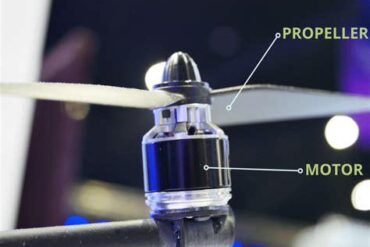
The Continental IO-360D engine, a six-cylinder powerplant, was modified with advanced mufflers and a low-RPM propeller system. The propeller itself was specially designed with large blades turning at reduced speed, dramatically minimizing the sonic signature that typically emanates from propeller tips.
To reduce aerodynamic drag and noise, engineers crafted a streamlined fuselage using lightweight composite materials and optimized airflow patterns. Every surface, rivet, and joint was carefully aligned to suppress vibration and turbulence. The result was a machine that, according to field reports, could fly just 100 feet over enemy troops without being heard — an achievement unmatched by any aircraft of its era.
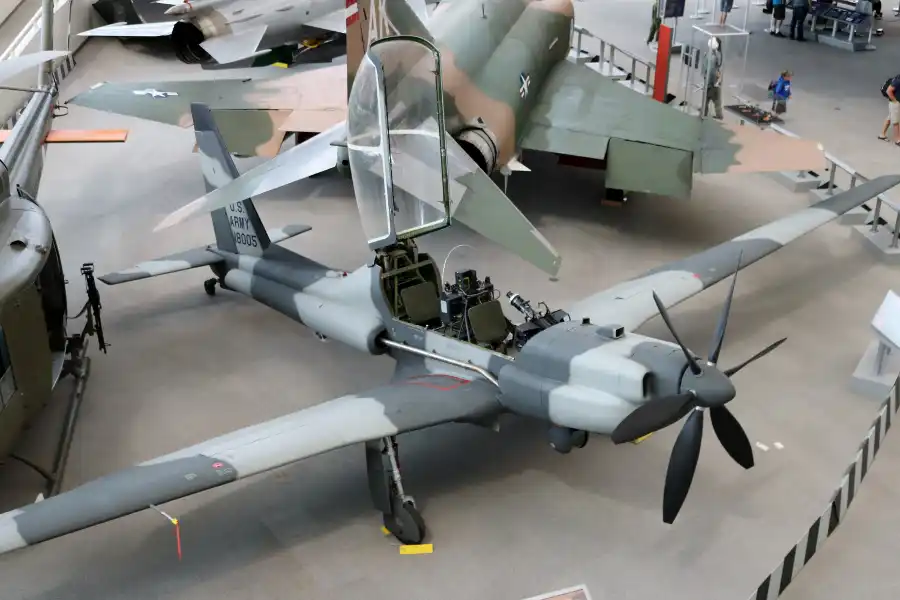
Key Specifications of the Lockheed YO-3A “Quiet Star”
| Specification | Details |
|---|---|
| Manufacturer | Lockheed Aircraft Corporation |
| Role | Silent reconnaissance and surveillance |
| Engine | Continental IO-360D, 210 hp (modified with mufflers) |
| Propeller | Two-blade, slow-turning wooden propeller |
| Length | 29 feet (8.8 m) |
| Wingspan | 57 feet (17.4 m) |
| Maximum Speed | ~130 mph (209 km/h) |
| Operational Ceiling | 14,000 feet (4,270 m) |
| Noise Level | Estimated below 70 dBA at 1,000 feet |
| Crew | 2 (pilot and observer) |
| First Flight | 1968 |
| Units Built | 11 total |
The YO-3A in the Vietnam War
The Vietnam War was a proving ground for experimental aviation concepts. The U.S. military deployed helicopters, jet fighters, and surveillance planes in unprecedented numbers. Yet, none could match the YO-3A’s ability to remain undetected.
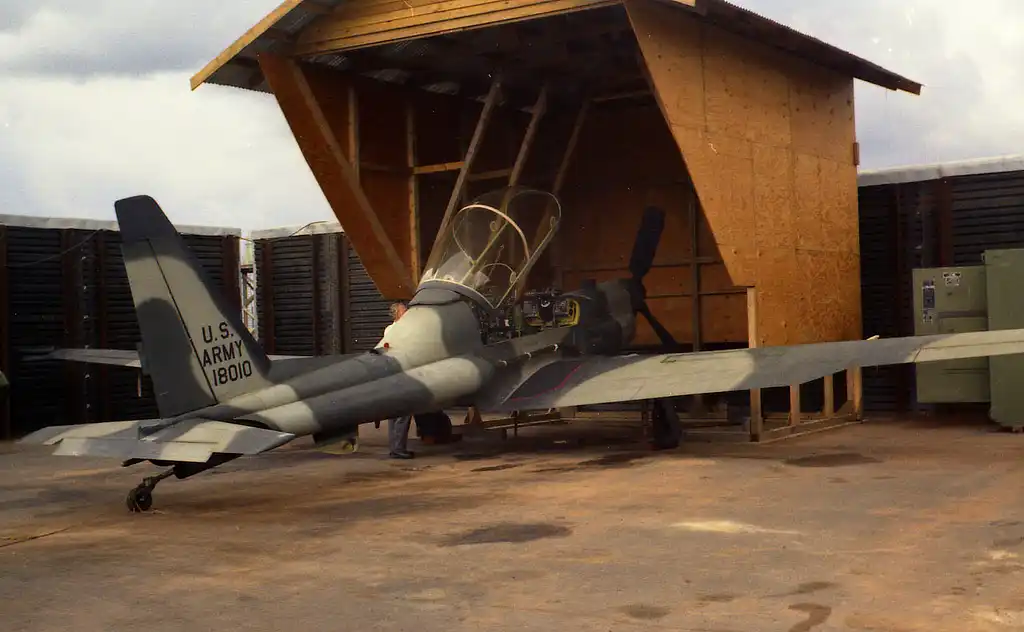
Flying mostly at night, the YO-3A conducted low-altitude reconnaissance missions, equipped with infrared sensors, night vision scopes, and a periscope for visual confirmation. Its onboard equipment could identify enemy movements, track supply convoys, and detect hidden encampments without alerting hostile forces.
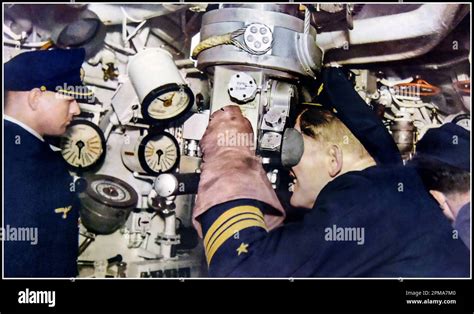
As noted by the Hiller Aviation Museum, “none were ever audibly detected by the enemy.” The aircraft’s stealth was so complete that the only recorded incident of detection occurred when a pilot accidentally switched on the landing lights during a mission — momentarily revealing the plane’s position.
This silent observer became one of America’s most effective intelligence tools, capable of turning the tide in localized conflicts simply through the element of acoustic invisibility.
From War to Peace: Post-Vietnam Service
When the U.S. withdrew from Vietnam, the YO-3A found new life in domestic operations. Its unparalleled quietness made it invaluable for law enforcement and environmental monitoring.
The FBI used the aircraft for covert surveillance, tracking criminal activity without drawing attention. Similarly, the Louisiana Department of Wildlife and Fisheries employed the YO-3A to monitor poaching and illegal hunting in remote wetlands. Its silence allowed it to approach offenders undetected, ensuring effective enforcement without confrontation.
NASA later acquired one YO-3A unit to conduct acoustic research, analyzing the physics of sound reduction and applying lessons to future aircraft design. This particular plane, after years of scientific contribution, now rests in the Vietnam Helicopters Museum as a preserved piece of aviation history — a symbol of innovation that bridged warfare and science.
The Science of Quieter Skies
Aircraft have grown significantly quieter since the 1960s. According to NATS, modern jet engines are about 90% quieter than those of earlier generations. However, even the most advanced airliners cannot match the serenity of the YO-3A’s flight.
Modern innovations like chevron nozzles, composite fan blades, and acoustic liners have reduced commercial jet noise, but achieving total stealth in sound remains elusive. The YO-3A’s principles — slow propeller rotation, muffled exhaust, and aerodynamic purity — continue to influence unmanned aerial vehicles (UAVs) and modern reconnaissance drones that seek to minimize acoustic footprints.
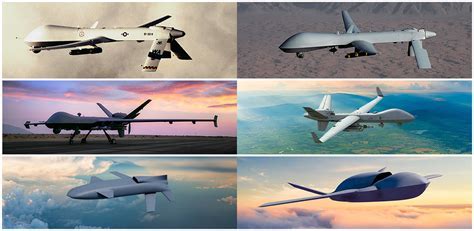
In many ways, the YO-3A was ahead of its time. Its concept of stealth was not radar invisibility but sensory invisibility, relying on the most primal sense — hearing. This insight reshaped how engineers thought about battlefield awareness and later inspired developments in acoustic camouflage and low-noise propulsion systems.
Legacy of the Quietest Aircraft in History
Only 11 YO-3A aircraft were ever built, yet their legacy is vast. They represent a rare fusion of simplicity and sophistication, proof that silence itself can be a form of power. Today, aerospace engineers study the YO-3A not just as a relic of the Cold War but as a blueprint for the next generation of stealth technologies.
The aircraft’s continued influence can be seen in surveillance drones, low-noise rotorcraft, and even in experimental electric aircraft designed for urban air mobility. As sustainability becomes the new frontier of aviation, lessons from the Quiet Star’s design — particularly its efficient aerodynamics and acoustic control — are being revived for modern application.
The YO-3A teaches an enduring lesson: sometimes the most powerful presence is the one that cannot be heard.
FAQ: The Quietest Aircraft in History
Why was the Lockheed YO-3A considered the quietest aircraft in history?
The YO-3A’s silence came from its unique engineering — a low-RPM propeller, muffled exhaust system, aerodynamic design, and glider-like airframe. Together, these elements made it nearly undetectable by sound, even when flying as low as 100 feet above ground.
How many YO-3A aircraft were built and what happened to them?
Only 11 units were produced between 1968 and 1971. After their Vietnam War missions, several were used by the FBI, NASA, and wildlife departments. One remains on display at the Vietnam Helicopters Museum in California.
Are there any modern aircraft as quiet as the YO-3A?
While modern jets are quieter due to advanced engine design, no manned aircraft matches the YO-3A’s acoustic stealth. Some electric drones and hybrid surveillance UAVs have approached similar sound levels, but the YO-3A remains the benchmark for manned silent flight.