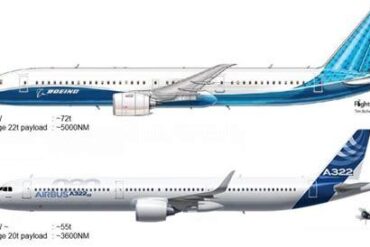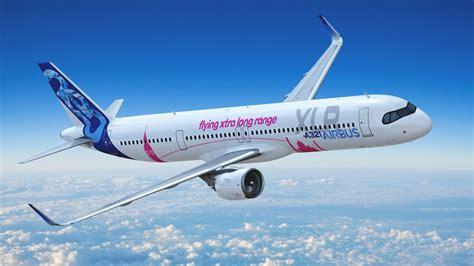
In the realm of commercial aircraft innovation, few projects spark as much curiosity as the unreleased Airbus A322. What began as a speculative evolution of the immensely successful A320neo family gradually captured the interest of industry watchers, airlines, and analysts. The A322, envisioned as a stretched version of the A321, was not merely an upgrade—it symbolized a calculated response to shifting market demands and a potential power move in the middle-of-the-market segment.
Airbus’ track record of strategic agility—demonstrated by aircraft such as the A321XLR—suggested that an A322 might be the next logical progression. However, despite internal studies and surging speculation in the early 2020s, the aircraft quietly faded into obscurity. The story of the A322 is not just about an aircraft that never came to be, but a revealing case study in corporate strategy, market forces, and technological foresight.
Origins: Market Gaps and Strategic Opportunities
The push for the Airbus A322 was born from a specific industry vacuum. In the wake of Boeing’s indecision and technical setbacks with its New Midsize Airplane (NMA) program—exacerbated by the 737 MAX crisis—Airbus identified a timely opportunity. By 2021, whispers about the A322 had reached Bloomberg and other outlets, hinting at a vision far beyond just a fuselage stretch.
The goal was clear: create an ultra-efficient, longer single-aisle aircraft that could challenge the conventional need for widebody jets on mid-range routes. Airbus explored pairing the proven A320neo fuselage with cutting-edge advancements, particularly in wing technology, inspired by developments like composite wings and the Wing of Tomorrow program.
Advanced Wing Design: The Next Frontier
One of the most revolutionary features associated with the A322 was its wing development. Unlike earlier A320-family aircraft, the A322 was speculated to include a composite, high-aspect-ratio wing potentially influenced by the truss-braced wing design or similar future-forward innovations. According to Sue Partridge, head of the Wing of Tomorrow program, the new design era mirrored technological shifts similar to Boeing’s 777X folding wingtips.
The intention behind these wings was to maximize aerodynamic efficiency while remaining structurally compatible with airport gate constraints. This would allow the aircraft to fly longer distances while reducing fuel burn and noise, aligning with the industry’s emphasis on sustainable aviation.
Speculated Specifications and Cabin Configuration
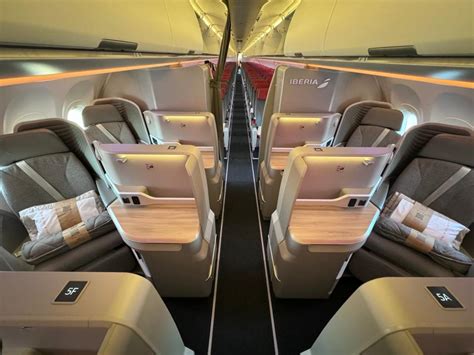
Airbus never officially disclosed A322 specifications. However, reliable aviation analysts proposed that the A322 would feature up to four additional seat rows compared to the A321. Depending on an airline’s cabin layout, this could increase seating capacity by approximately 30 to 40 passengers, pushing the aircraft closer to the 250-seat threshold.
Such configurations would allow for:
-
High-density layouts suitable for low-cost carriers.
-
Premium-heavy layouts for legacy carriers eyeing longer transcontinental routes.
-
Optimized cargo capacity, essential for belly-freight dependent markets.
This versatility, coupled with enhanced range through new wings and possibly increased fuel capacity, hinted at a game-changing single-aisle jet capable of flying 8 to 9-hour missions—routes traditionally dominated by widebodies.
Why the A322 Was Shelved
Despite the clear advantages, the A322 never received an official launch. The primary reason lies in a delicate balancing act between innovation, risk, and market readiness. Airbus, a seasoned player in global aerospace strategy, is unlikely to greenlight a new type without sufficient customer commitments. Internal studies may have revealed that the A321XLR, already offering unprecedented range for a single-aisle jet, sufficiently addressed current market needs.
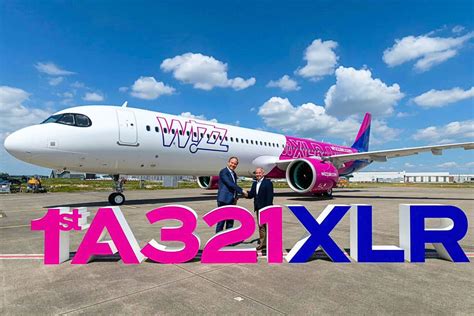
The A321XLR allows airlines to operate narrowbody aircraft on transatlantic routes, minimizing operational costs while opening up new, thinner city pairs. With over 500 orders from key players such as American Airlines, United, and IndiGo, the XLR represents a safer and highly profitable bridge before venturing into a more radical design.
Additionally, Airbus has existing widebody alternatives. For airlines seeking larger capacity or longer range, the A330neo and A350 families are ready solutions, offering lower risk and established production pipelines.
Competitive Landscape: Boeing’s Missed Opportunity
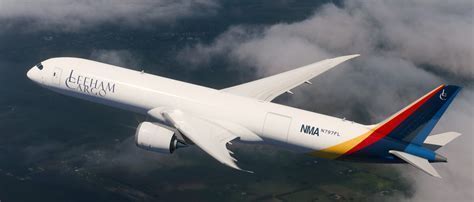
The quiet withdrawal from A322 development coincided with Boeing’s continued strategic paralysis. After scrapping the NMA, Boeing ceded significant ground in the middle-of-the-market niche. Airbus capitalized swiftly, reinforcing its grip through A321neo variants. The lack of a direct Boeing competitor in this segment has only solidified Airbus’ dominance.
Still, without the A322, Airbus leaves open a potential future gap—especially if airline demand for a 250-seat, 5,000+ nautical mile narrowbody rises with sustainable propulsion breakthroughs.
Technological Leverage for Future Aircraft
While the A322 never materialized, its concept is far from wasted. The studies carried out during its feasibility stage contribute valuable insights into the next generation of Airbus aircraft. Whether it’s:
-
Electric hybrid propulsion,
-
Hydrogen fuel integration,
-
Or modular cabin architecture,
…these initiatives reflect Airbus’ evolving focus toward decarbonized, high-efficiency aviation. In that sense, the A322 was not a misstep, but a stepping stone—one of many in Airbus’ roadmap toward innovation.
The Verdict: Was It a Missed Opportunity?
Judging the A322’s cancellation as a mistake requires perspective. If judged solely on technical innovation and potential, the A322 was certainly compelling. But business case realities—investment costs, production timelines, certification hurdles—often trump idealistic visions. Without enough customer demand to ensure a positive ROI, Airbus likely made the pragmatic choice.
That said, market dynamics change. Rising fuel costs, pressure to decarbonize, and the constant search for lower CASM (Cost per Available Seat Mile) may revive demand for aircraft in the A322’s mold. If or when this happens, Airbus will already have the groundwork laid.
FAQ: Common Questions About the Airbus A322
Why did Airbus consider developing the A322?
Airbus saw an opportunity to extend its A320neo family with a longer, more capable aircraft targeting the middle-of-the-market segment. The A322 aimed to address demand for higher-capacity, narrowbody aircraft capable of transcontinental flights, especially in the absence of a Boeing competitor.
Was the A322 ever officially confirmed or launched?
No. Airbus conducted internal studies and explored concepts like new composite wings and extended fuselages, but the aircraft was never officially launched. The A321XLR effectively became the flagship of the extended A320 family.
Could Airbus revisit the A322 concept in the future?
Yes. While the current market may not justify the A322, future advances in propulsion, materials, and climate policies could renew interest. Airbus has preserved its research, positioning itself to act quickly if conditions change.