Traveling across continents, from the frozen tundra of Alaska to the dusty plains of Africa, demands gear you can trust. Having logged flights to over 150 countries and even survived a sinking dug-out canoe in Liberia with my suitcase in tow, I’ve learned that not all luggage is created equal. In this comprehensive guide, we dive into the essential features, durability metrics, and practical travel hacks pilots swear by when choosing the perfect suitcase.
Every pilot knows the value of reliable luggage. Whether you’re hopping between international hubs or tackling tight connections on regional carriers, your suitcase must endure temperature extremes, rough handling, and the occasional unexpected sit‑in‑the‑snow scenario. This article distills decades of firsthand experience into clear, actionable advice so you can pack with confidence and spend less time worrying about broken zippers or cracked shells.
Before we dissect specific models, let’s outline the common questions that frequent flyers—and first‑time jetsetters—often ask:
- What carry‑on dimensions guarantee compliance with most airlines?
- Should I pick a 2‑wheel roller or a 4‑wheel spinner?
- How much weight can I realistically handle solo?
- Is an aluminum shell worth the extra expense?
- Which warranty terms truly protect my investment?
These FAQs frame our discussion of size, weight, durability, and overall value proposition.
Key Factors in Choosing a Suitcase
Selecting the right suitcase is a balancing act among five critical factors. First, size matters: you need enough capacity to pack essentials, yet you must adhere to airline carry‑on limits to avoid gate‑checked luggage. I personally avoid checking bags whenever possible, shaving off precious minutes at oversize baggage belts. Second, weight plays a pivotal role; every additional pound translates into more effort lifting into overhead bins, especially on regional jets with narrow aisles. Third, durability cannot be overstated: materials must resist abrasions, punctures, and UV damage—from Arctic conditions to Saharan sandstorms. Fourth, price vs. warranty: while premium suitcases carry higher price tags, a comprehensive warranty ensures peace of mind when minor mishaps occur. Finally, you’ll face trade‑offs: lighter bags typically use thinner materials, while sturdier shells add heft. Understanding where you’re willing to concede—be it on weight, cost, or resilience—guides your ultimate selection.

The Top 5 Suitcases Pilots Use: Ranked & Rated
Pilots worldwide rely on a handful of brands that rise above the rest. Below, we rank the top five options based on quality, functionality, and real‑world performance.
1. Briggs & Riley Essential 22” Spinner (Overall 8.9/10)
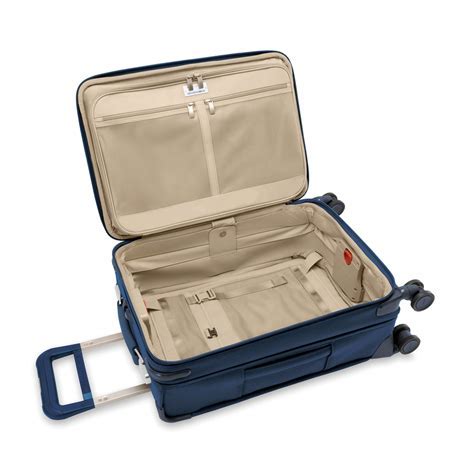
When it comes to lifetime value, Briggs & Riley stands peerless. Their Essential 22” Spinner delivers a flawlessly engineered expandable design that swells to accommodate extra gear without compromising structural integrity. Made from high‑grade woven ballistic nylon, this bag combines lightness—just 9–10 lbs—with exceptional abrasion resistance. What truly sets it apart is the no‑questions‑asked lifetime guarantee that covers everything from broken handles to zipper failures. In practice, I carried mine through Alaskan snowstorms and across dusty African airstrips; it emerged unscathed, looking as pristine as day one. Highlights include a depth‑expanding panel that adds 2.5” when needed, ergonomic contour‑handle systems, and a proprietary rebound frame that flexes under pressure and then snaps back into shape. Though the sticker price sits on the higher end (6/10), pilots view this as an investment that pays dividends over a career.
Pros: Lifetime warranty, expandable capacity, sleek profile.
Cons: Premium cost.
2. Sterling Pacific 35L & 40L Cabin Travel Case (Overall 8.2/10)
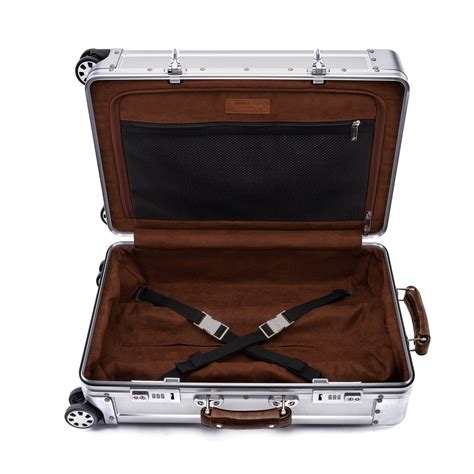
For those who crave luxury without sacrificing performance, the Sterling Pacific Cabin Travel Case reigns supreme. Crafted from genuine A380 aircraft‑grade aluminum, it achieves a remarkable strength‑to‑weight ratio, tipping the scales at just over 8 lbs for the 35L model. Anodized finishes lend both scratch resistance and an upscale aesthetic, though minor scuffs can appear under heavy use. Interior organization features a removable divider panel and zippered mesh pockets that keep essentials accessible. According to veteran traveler Lou S., it’s the “best constructed piece of luggage I have ever owned,” eclipsing stalwarts like Tumi and Rimowa. While the price point reflects its craftsmanship, the bag’s rigid shell and precision‑engineered corner bumpers make it a long‑term companion for discerning pilots.
Pros: High‑grade aluminum, refined design, lightweight.
Cons: Very expensive; prone to surface scratches.
3. Travelpro Maxlite (Overall 8.2/10)
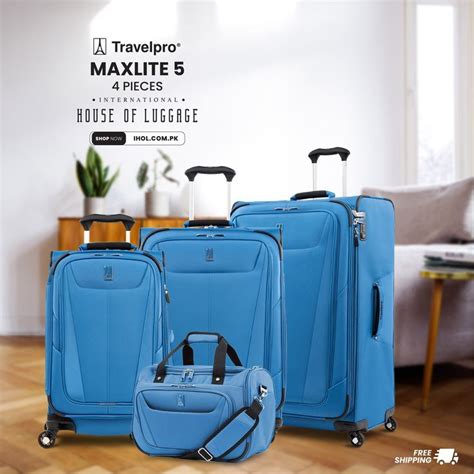
If affordability and maneuverability top your priority list, Travelpro’s Maxlite series delivers. At approximately 6 lbs for the carry‑on size, it’s one of the lightest soft‑sided options available, constructed from durable polyester fabric treated for stain and moisture resistance. Internal spill‑shield lining protects belongings from leaks, while self‑repairing zippers and integrated USB ports cater to modern needs. I’ve relied on my Travelpro Maxlite for weekend jaunts when I need a dependable bag without breaking the bank. Its telescoping handle glides smoothly, although the inline skate wheels generate a slight drag on uneven surfaces. Priced at roughly half the cost of premium brands, it represents a sweet spot for infrequent flyers or those on tighter budgets.
Pros: Ultralight, budget‑friendly, functional compartments.
Cons: Moderate durability; wheels may require aftermarket upgrades.
4. LuggageWorks 22″ Carry‑On (Overall 8.1/10)
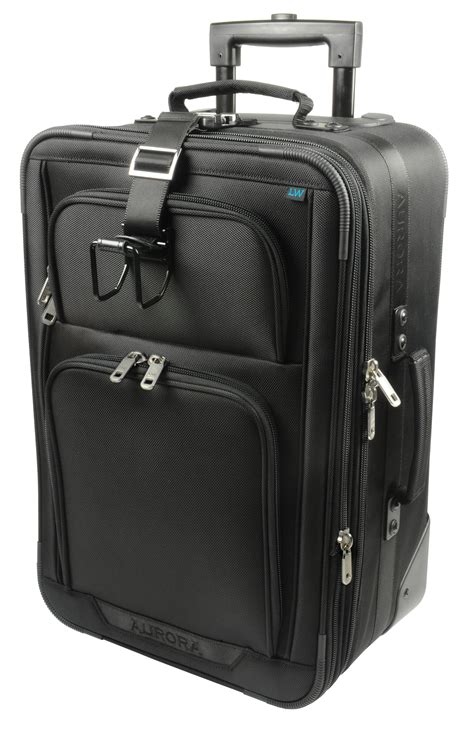
When durability trumps all else, LuggageWorks engineers deliver. Built with ultra‑tough nylon shells or optional carbon fiber panels, their 22″ carry‑on is virtually indestructible. At 11–12 lbs, it’s heavier than average, but the trade‑off is a product that has endured Sahara sandstorms, Bucharest cobblestones, and head‑on car collisions. Replaceable wheels, telescoping handles, and an integrated J‑Hook illustrate their focus on serviceability—critical when you depend on your luggage day in and day out. Although aesthetics skew toward industrial ruggedness, pilots appreciate a bag that refuses to quit. Whether it’s surviving two hurricane‑strength downpours in Mexico or ferrying precious cargo across regional carriers, LuggageWorks remains a workhorse.
Pros: Extreme toughness, replaceable parts, built‑in J‑Hook.
Cons: Heavy; utilitarian appearance.
5. Samsonite Hard‑Shell (Overall 7.7/10)
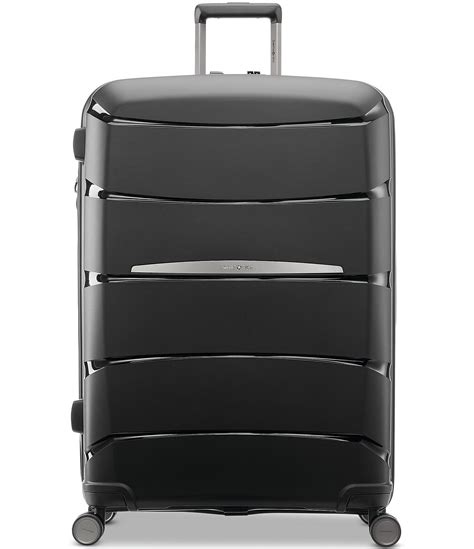
Samsonite’s legacy in the luggage industry endures with its hard‑shell series. Utilizing proprietary polycarbonate blends, these cases strike a balance between rigidity and flexibility, safeguarding fragile items like electronics or souvenirs. Weighing around 9 lbs for carry‑on sizes, they offer reliable weather resistance and simple latch systems that evade zipper failures. While they lack the premium warranty of Briggs & Riley, their ease of replacement and widespread availability make them a go‑to for travelers who need checked luggage options on a budget. My go‑to Samsonite case has accompanied me on long‑haul trips to Argentina, coming home laden with bottles of Malbec without a single crack.
Pros: Trusted brand, rugged hardshell, affordable.
Cons: Smaller interior volume; less resilient under repeated abuse.
2 Wheels vs. 4 Wheels: Which Configuration Wins?
The debate between 2‑wheel rollers and 4‑wheel spinners persists in the aviation community. Four‑wheel spinners excel on smooth airport floors, offering effortless 360° turns and upright posture that reduces shoulder strain. However, the added wheel housings eat into interior space—sometimes the difference between fitting four folded shirts or only three. In contrast, two‑wheel rollers maximize packing volume and tackle uneven terrain—cobbled streets or gravel ramps—with greater stability. Paired with a J‑Hook, rollers can balance secondary bags for fingertip control, emulating spinner ease while preserving space.
Packing Example: A 22″ spinner may measure 9×14×22″ externally, yielding 38 L of volume. Remove the spinner hardware for a two‑wheel roller and you gain an extra 1–2 L—enough room for that second pair of shoes.
The J‑Hook Travel Hack
Few accessories transform your travel ergonomics like the simple J‑Hook. Attaching to most tap‑handles, a J‑Hook lets you suspend a briefcase or daypack, creating a counterbalance that steadies your load. The seesaw effect reduces wrist torque and enables single‑handed control—even when your suitcase is fully packed. Observing airline crew effortlessly glide through terminals with one hand free? That’s the J‑Hook at work.
Additional Tips for Savvy Travelers
Beyond selecting the ideal suitcase, implement these proven strategies to optimize every trip:
- Avoid Checking Luggage: Skip the baggage carousel and save up to 45 minutes per flight.
- Invest in Durability: Frequent flyers recoup costs within two years when bags last five.
- Utilize Packing Cubes: Modular organization compresses garments, increasing capacity by up to 20%.
- Label Internally and Externally: Bright tags and unique patterns speed identification and deter mix‑ups.
By integrating these insights—honed over thousands of flight hours—you’ll elevate your travel to first‑class efficiency. Choose the right suitcase, master the J‑Hook technique, and pack like a pilot to navigate any airport with confidence and ease.