Thinking of Upgrading from a Piston to a Turbine Helicopter?
When considering upgrading from a piston helicopter to a turbine, there are several important factors to keep in mind. Let’s break them down to help you make the best choice for your needs.
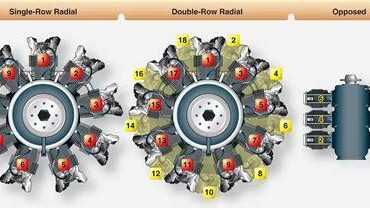
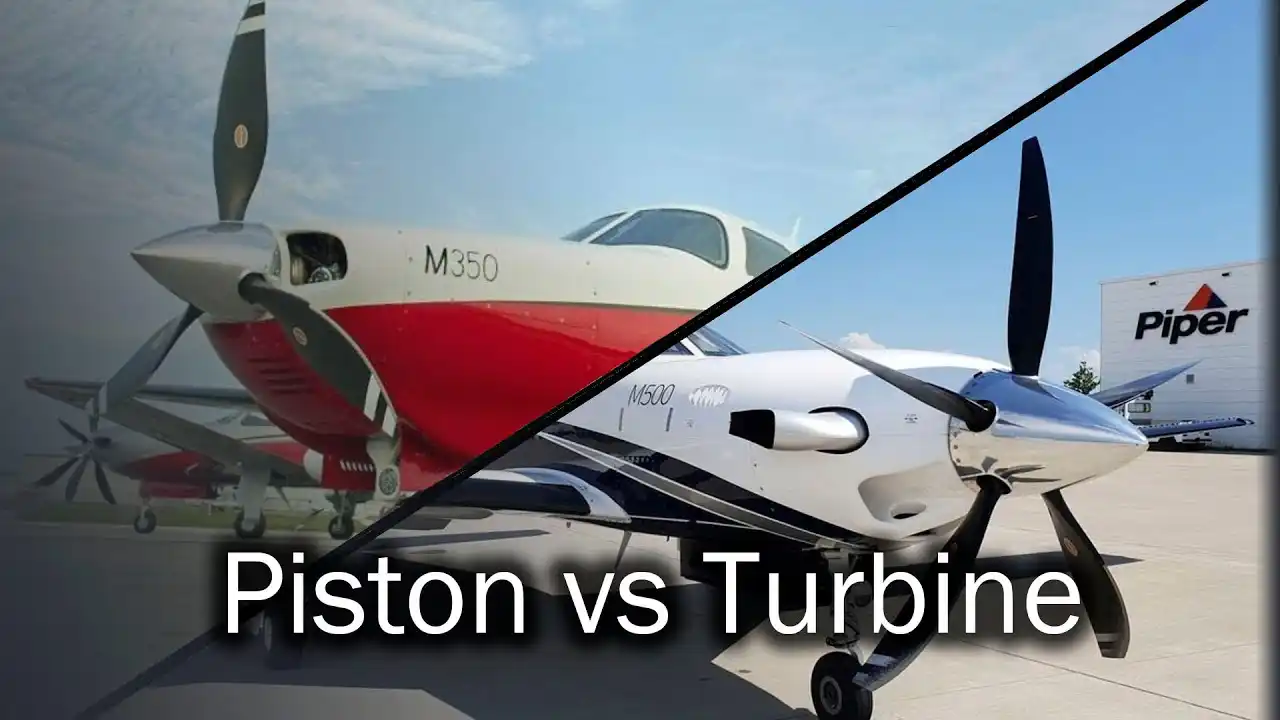
Piston and turbine helicopters are the two main types of helicopters available today—at least, until someone creates an electric version! The biggest difference between them lies in the engine. Piston helicopters use a reciprocating engine, much like the engines in most cars, with either four or six cylinders. On the other hand, turbine helicopters run on a gas turbine engine. This engine works by compressing air, igniting it, and using the resulting energy to spin turbine wheels, which then power the rotor.
While both types of helicopters share similar flight characteristics, there are a few key differences that make each better suited for different situations. Piston helicopters are generally more forgiving when it comes to mistakes, such as over-temping or over-torquing the engine. In a turbine helicopter, however, pushing the engine too hard can cause significant damage, costing hundreds of thousands of dollars to repair.
Turbine helicopters tend to be more expensive to operate than piston helicopters, but they also offer better performance and fuel efficiency. Despite this, piston helicopters do have their advantages, such as being quieter and easier to handle.
So, what should you consider when deciding whether to make the jump to a turbine helicopter? Let’s look at four major factors to help you make an informed decision.
1. Cost
The upfront cost of a piston helicopter is generally lower than that of a turbine helicopter. But it doesn’t stop there. Turbine helicopters also come with higher operating costs. Maintenance and insurance for turbine helicopters tend to be more expensive, which adds up over time.
2. Performance
Piston helicopters are less powerful, meaning they have a shorter range and may struggle when carrying passengers or cargo. Turbine helicopters, on the other hand, have a higher power output and can perform better in demanding conditions. Turbine engines also handle the “4 H’s” (hot, heavy, humid, and high-altitude environments) much better. While all helicopters face power limitations, turbine helicopters have more power to spare, especially when operating near maximum weight.
3. Maintenance
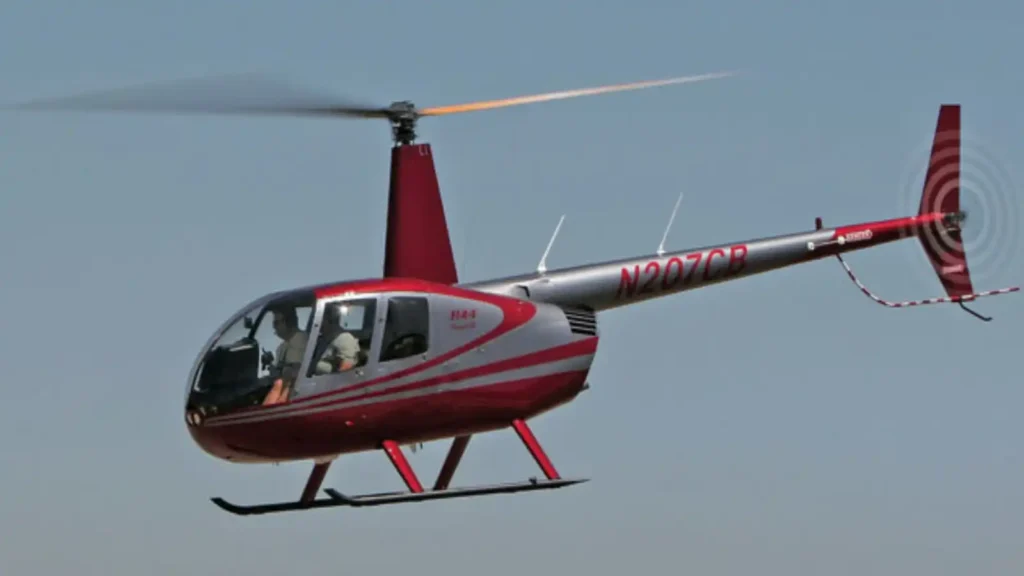
Piston helicopters, like the Robinson R44, have serialized components that follow a set maintenance schedule. However, turbine helicopters, especially light models, have components that vary in overhaul time. This makes maintenance tracking a bit more complex. Additionally, turbine engine parts tend to be more expensive, which can lead to higher maintenance costs. That said, some turbine models, like the Robinson R66, have streamlined maintenance practices similar to the R44.
4. Insurance
Insurance can be a deal-breaker when upgrading to a turbine helicopter. The underwriting process for turbine helicopters has become stricter, and securing insurance might require specific qualifications. Before transitioning, you’ll need at least 300 hours of total helicopter flight time and 25-50 hours of turbine experience. After meeting these requirements, you’ll need to complete an insurance-approved turbine transition course and flight training to operate as Pilot in Command (PIC).
Conclusion
So, what does all of this mean for you? If you’re thinking about upgrading from a piston to a turbine helicopter, you need to weigh the costs of ownership and operation. Piston helicopters are typically less expensive to buy and maintain, but they might not meet your performance needs. Turbine helicopters offer more power and efficiency, but come with higher costs for maintenance and insurance. Ultimately, the best choice depends on your budget, your needs, and your willingness to take on the additional responsibilities that come with owning a turbine helicopter.