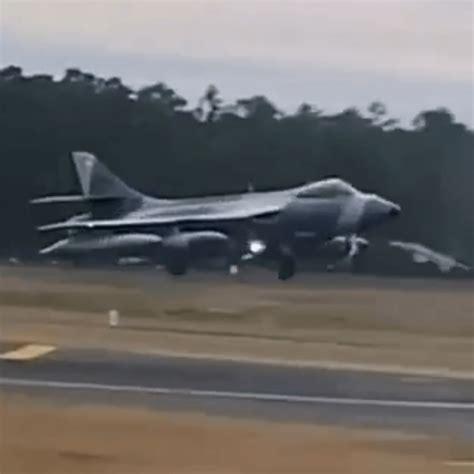
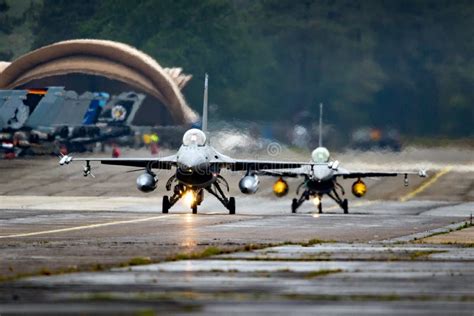
Two U.S. Air Force F-16 Fighting Falcons, originating from Shaw Air Force Base in Sumter, South Carolina, made an unexpected but safe landing at Myrtle Beach International Airport on the morning of Monday, July 28, 2025. The incident occurred during what was supposed to be a routine training mission for the aircraft, which are part of the 20th Fighter Wing, one of the Air Force’s most active and combat-ready units. The maneuver, though unplanned, was carried out professionally and without endangering commercial operations or civilian lives.
Sudden Diversion from Training to Tarmac
According to military officials and local eyewitnesses, the two jets were observed circling the airport repeatedly before executing a coordinated descent and landing at approximately 9:30 a.m. on Monday. The maneuver was described by those on the ground as calm and controlled, suggesting highly disciplined aircrew managing the situation effectively despite undisclosed mechanical difficulties. An Horry County government spokesperson confirmed that no delays or disruptions to commercial air traffic occurred as a result of the incident.
The Air Force released an official statement hours later through Capt. James S. Stewart, the Chief of Public Affairs for the 20th Fighter Wing. Though the exact nature of the mechanical problem remains classified or undisclosed, Stewart confirmed that both aircraft landed without incident, reinforcing the military’s commitment to flight safety and procedural precision during emergencies.
Shaw Air Force Base: Strategic Air Superiority from Sumter
Located in the Midlands of South Carolina, Shaw AFB serves as the headquarters for the 20th Fighter Wing. It is home to dozens of F-16C/D Fighting Falcons, a mainstay of the U.S. Air Force since the late 1970s. The base maintains high alert and readiness levels, with pilots frequently undergoing rigorous training to simulate both combat scenarios and emergency procedures.
The aircraft involved in the diversion are single-engine multirole fighters, capable of air-to-air combat and air-to-surface attack. Given their high-performance nature, it is not uncommon for pilots to report anomalies mid-flight, especially when conducting high-stress training maneuvers. These practice missions are intended to sharpen reflexes and decision-making, which were clearly put to the test in Monday’s events.
F-16 Fighting Falcon: The Backbone of Tactical Air Command
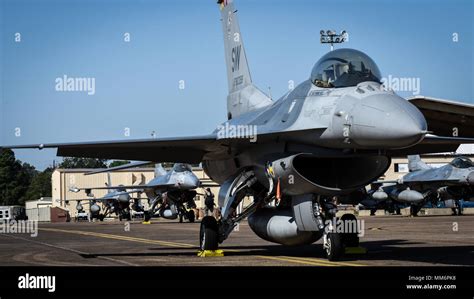
The F-16 Fighting Falcon is a staple in U.S. and allied air forces worldwide. Developed by General Dynamics, and now produced by Lockheed Martin, this aircraft represents the gold standard in multirole versatility. With a top speed exceeding Mach 2, advanced avionics, and a combat radius of over 500 miles, the F-16 remains a formidable presence in any theater of operations.
Each aircraft is powered by a single Pratt & Whitney F100-PW-229 or General Electric F110-GE-129 engine, depending on the variant. These engines are powerful but operate under enormous strain, especially during high-G maneuvers and low-altitude combat training, which may increase the risk of mechanical irregularities — such as overheating, fuel mixture imbalances, or flight control system warnings.
Mechanical issues can range from engine anomalies, navigation system alerts, to more complex warnings involving fly-by-wire controls. However, the redundancy and training built into U.S. military aviation ensures such emergencies rarely lead to disaster.
Myrtle Beach: A Civilian Hub with Military Heritage
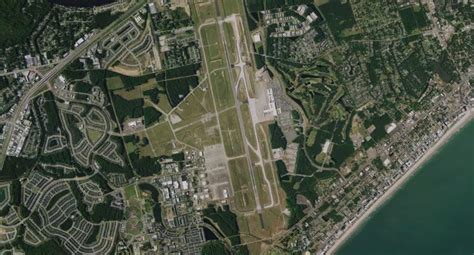
Though now fully a commercial airport, Myrtle Beach International has a strong legacy tied to U.S. military aviation. The airport occupies the former Myrtle Beach Air Force Base, which was decommissioned in 1993. The base was once home to A-10 Thunderbolt II units and has since been converted into a major civilian airport serving South Carolina’s coastal tourism industry.
The arrival of F-16s this week reignited memories of that military past. Locals and tourists alike were captivated by the unexpected military aviation display. Videos circulated on social media showed the jets circling above the terminal area, prompting both concern and admiration for the pilots’ skillful handling.
Emergency Protocols and Pilot Proficiency
While the Air Force did not confirm the specific mechanical issues, the controlled landing suggests the pilots executed standard emergency diversion procedures. These involve:
- Establishing communication with air traffic control at the nearest viable airport.
- Calculating remaining fuel and flight limitations.
- Maintaining a safe glide path while monitoring the aircraft’s condition.
- Executing a safe and efficient landing in coordination with airport authorities.
Such situations are routinely rehearsed in simulators and training sorties. The pilots’ ability to land both aircraft safely and simultaneously at a civilian airport demonstrates not only their professionalism, but also the importance of joint-use airports like Myrtle Beach that can support emergency military operations without compromising civilian infrastructure.
Public Safety and Operational Transparency
The military was quick to reassure the public that there was no danger posed to Myrtle Beach residents or travelers. Both the Federal Aviation Administration and Horry County authorities confirmed that no flight delays or emergency response operations were required, apart from standard post-landing inspections.
The swift handling of the incident also speaks to the coordination between military and civilian aviation entities. In an age where dual-use airspace is increasingly common, this kind of cooperation is not just beneficial—it is essential. Airport management reportedly coordinated with Shaw AFB’s ground crew and maintenance personnel shortly after the landing to ensure the aircraft could be safely inspected and returned to base.
The Broader Implication for Air Training Missions
The incident underscores a broader point about the demanding nature of U.S. Air Force training missions. These sorties are not mere rehearsals—they simulate conditions that might occur in combat: high-speed turns, radar evasion drills, weapons system simulations, and fuel management under duress. Mechanical issues during such missions are not always avoidable, but what distinguishes elite forces like the 20th Fighter Wing is how such situations are resolved.
The diversion to Myrtle Beach, while unexpected, ultimately served as an unplanned yet effective test of crisis response and readiness. It allowed the Air Force to demonstrate operational discipline and provided the public with a brief but vivid glimpse of the complexities behind aerial defense readiness.
What Comes Next: Inspection and Return to Shaw
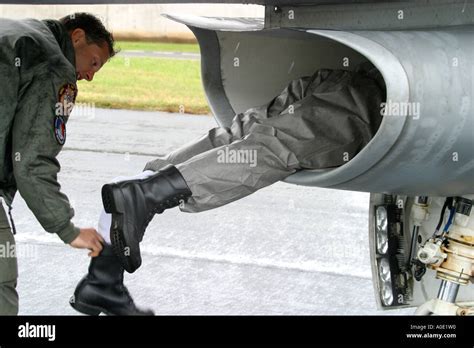
As of the latest reports, ground crews from Shaw Air Force Base have arrived at Myrtle Beach to assess the aircraft. Standard protocol involves a full diagnostic scan, reviewing flight data, and conducting engine and systems tests. Depending on the results, the aircraft may be flown back under their own power or transported via heavy airlift if repairs are deemed too extensive for on-site servicing.
Meanwhile, military officials are expected to continue internal investigations to determine what specific factors led to the emergency diversion. The results may influence future training schedules or maintenance cycles but are unlikely to impact Shaw AFB’s operational tempo.
A Calm Landing, A Stark Reminder
The safe resolution of Monday’s events stands as a reminder that even in the realm of routine training, military aviation is inherently high-stakes. The 20th Fighter Wing’s flawless execution in diverting and landing two F-16s without triggering panic or disruption reflects a culture of excellence rooted in preparation, precision, and professionalism.
For the residents of Myrtle Beach and visitors passing through the terminal, the sight of two combat aircraft descending over a beachfront city offered a surreal, if fleeting, brush with the realities of national defense. And for the Air Force, it was just another mission—concluded not with a bang, but with the controlled hiss of afterburners settling on the civilian tarmac.